Over 400 French students were detained on Tuesday as part of a nationwide wave of protests that see high schools across the country being blocked for days. Interior Minister Laurent Nuñez said the figures were “in the range of 400” and that most detainees were minors.
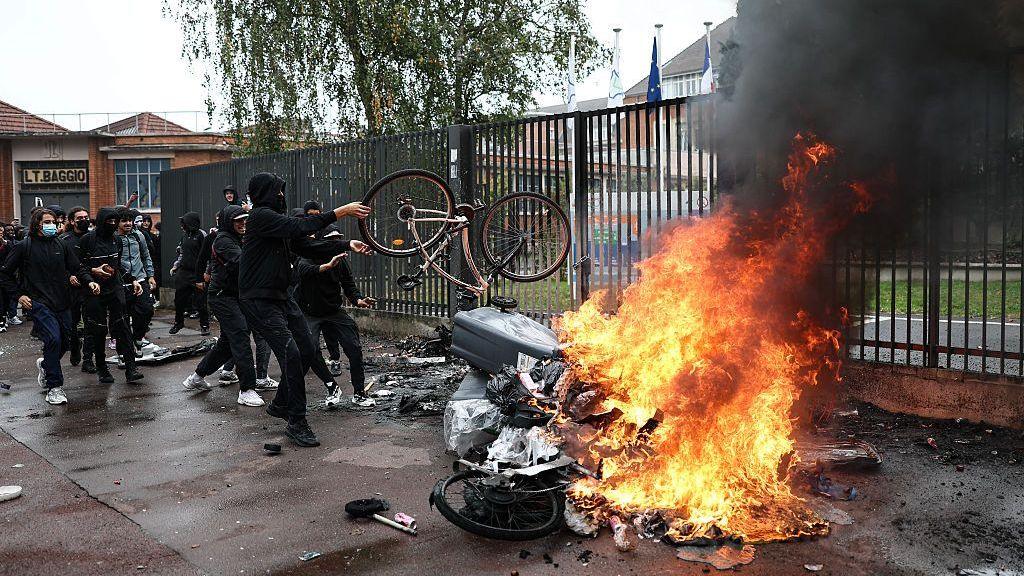
The demonstrations began in Paris before spreading to the suburbs and other regions. Protesters blame overcrowded classrooms and a chronic shortage of teachers for mounting pressure that has turned into blockades, arson and clashes with police.
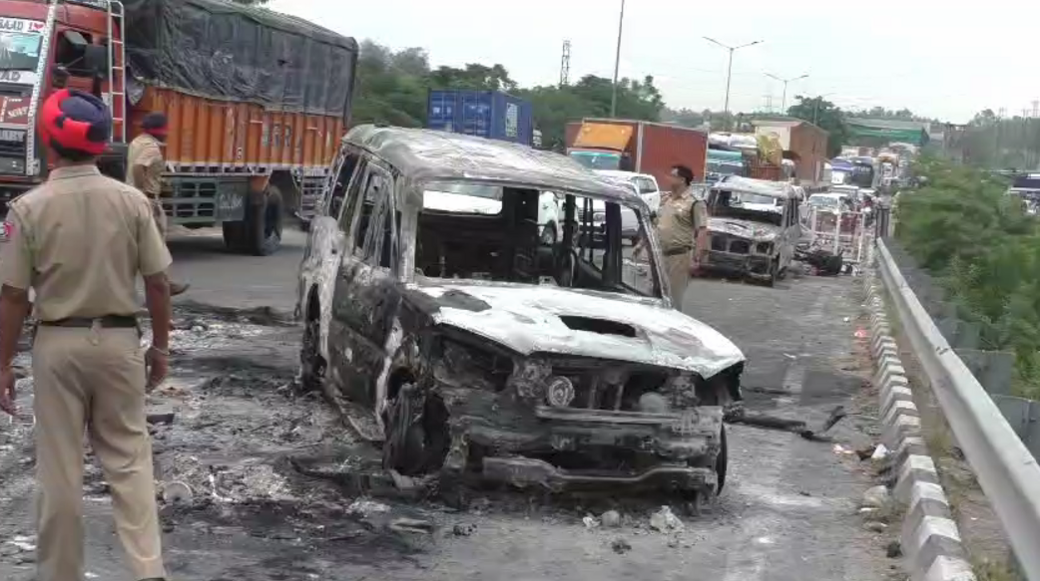
Sources report that at least ten teachers, several students and 48 law‑enforcement officers sustained injuries. Roughly 400 schools were shut for at least part of the day, as footage shows bins set aflame and damaged bus stops.
One 16‑year‑old student told AFP: “We’re not here to smash everything up for no reason. We’re here precisely to say that the education system is completely broken. There are 34 of us in each class, and it’s just not feasible. The teachers are overworked.”
Education Minister Édouard Geffray, speaking on X, reiterated that the right to demonstrate is a fundamental freedom but denounced violence as “indefensible.” He warned that calls for extended blockades endanger students and public workers.
Interior Minister Nuñez said police intervened proportionally, using batons and tear gas in response to projectiles hurled by protesters. He later claimed the response was “extremely proportionate.” Over 200,000 people were reported in related nationwide walkouts by teachers, hospital staff and civil service unions covering issues such as wages and workplace conditions.
The protests are part of a broader trend of European youth activism. Similar movements have erupted in Spain, Italy and Germany, demanding curriculum reforms, better funding and a say in policy. In the United States, recent campus protests over policing and curriculum echo France’s student‑led demands for systemic change.
Prime Minister Sébastien Lecornu cautioned that any escalation would be “irresponsible,” and called for calm after 164 arrests the previous week. His warning reflects a broader governmental reluctance to endorse large‑scale disruptions, even as civil‑society groups argue that reform must be urgent.
The current episode underscores the stark trade‑off between maintaining public order and accommodating legitimate grievances about education. How France balances these competing demands will determine whether the protests trigger durable policy reforms or grow into continued unrest.