In brief
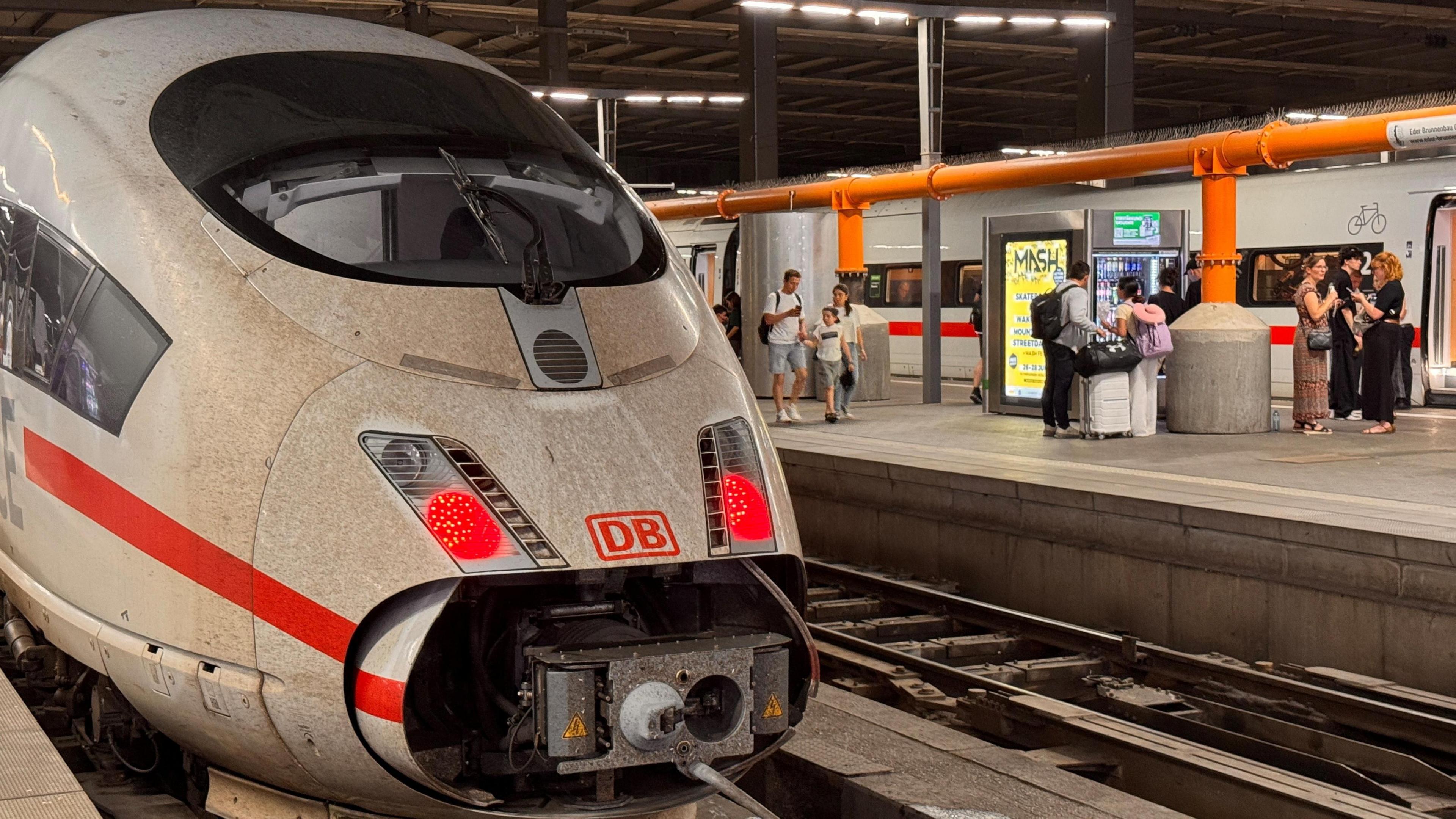
On Tuesday night, Germany’s national rail operator Deutsche Bahn halted all train services after a malfunction hit its Global System for Mobile Communications for Railways (GSM‑R). The disruption left trains standing still for more than two‑and‑a‑half hours, forcing passengers to seek alternative transport. Deutsche Bahn said technicians had identified the root cause and were working to fix it, promising compensation and replacement journeys for affected travelers. While the issue was carried through regional, long‑distance and S‑Bahn services, the capital’s rapid‑train network managed to resume operation with planned delays, as S‑Bahn Berlin announced that services were running again, though delays remained possible.
Deutsche Bahn, Germany’s national rail operator, brought its entire network to a halt after an unexpected IT failure on Tuesday night.
The disruption stemmed from a glitch in the Global System for Mobile Communications for Railways (GSM‑R), a radio network that trains rely on to communicate with traffic‑control centres. The error forced all trains to stop at stations, leaving passengers holding at platforms for more than two‑and‑a‑half hours.
Once the problem was fixed, Deutsche Bahn urged travelers to seek alternative routes and promised taxi and hotel vouchers, as well as replacement transport where possible. The company apologized, indicating that the root cause had been identified and technicians were working diligently to resolve it.
Regional and long‑distance services, as well as the S‑Bahn lines that link suburbs to city centres, were all affected. S‑Bahn Berlin issued a separate statement that the GSM‑R outage had been resolved, but warned that delays and cancellations could still occur.
In total, the nationwide standstill caused widespread disruption across the country. Deutsche Bahn’s CEO Evelyn Palla said the company was now trying to move trains back into stations so passengers could disembark, while the operator continued to monitor the situation closely.
The incident underscores the importance of digital communication networks in modern rail operations and highlights the vulnerability of large infrastructure systems to IT failures.