In brief
After being captured in Izyum in April 2022, U.S. citizen Stephen Hubbard was sentenced to nearly seven years in a Russian penal colony. Ukrainian prisoners Dmytro Khyliuk and Ihor Shyshko, who were held with him, testify that guards used beatings, stun‑gun shocks, cold confinement and humiliating tasks to punish Hubbard for being an American. Witnesses say Hubbard was also sexually humiliated for the entertainment of staff and that his medical care was withheld. Hubbard was released in early 2026 after a U.S. envoy’s encounter with President Putin, creating a stark illustration of the treatment of foreign detainees in Russia.
Dmytro Khyliuk and Ihor Shyshko, two Ukrainian soldiers detained next to Stephen Hubbard in a Russian prison, claim that Hubbard suffered repeated beatings, humiliating tasks and sexual abuse while in custody for four and a half years.
Khyliuk first met Hubbard in the Novozybkov prison after the Russian occupation of Izyum in 2022. According to Khyliuk, guards singled out the U.S. citizen, mocking him, forcing him to sing the Russian anthem even though he could not read the script, and repeatedly threatened him with violence.
Shyshko says the guards used a stun‑gun on Hubbard, beat his legs, back and arms, and left him in a cold cell with no food or proper medical care. He also alleges that Hubbard was subjected to sexual humiliation for the amusement of staff.
Hubbard was convicted in a Moscow court on charges of serving in a Ukrainian defense unit and sentenced to six years and ten months. He was kept in a penal colony in Pakino, where Khyliuk and Shyshko describe conditions of rot, scabies, limited diet and continuous beatings.
The two veterans say that Hubbard was hidden from an International Red Cross visit in order to conceal the extent of his condition. The ICRC has requested full access to all detainees, citing concerns over human rights violations.
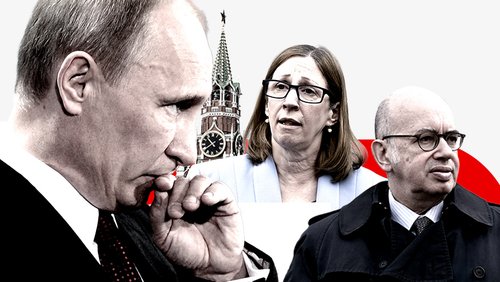
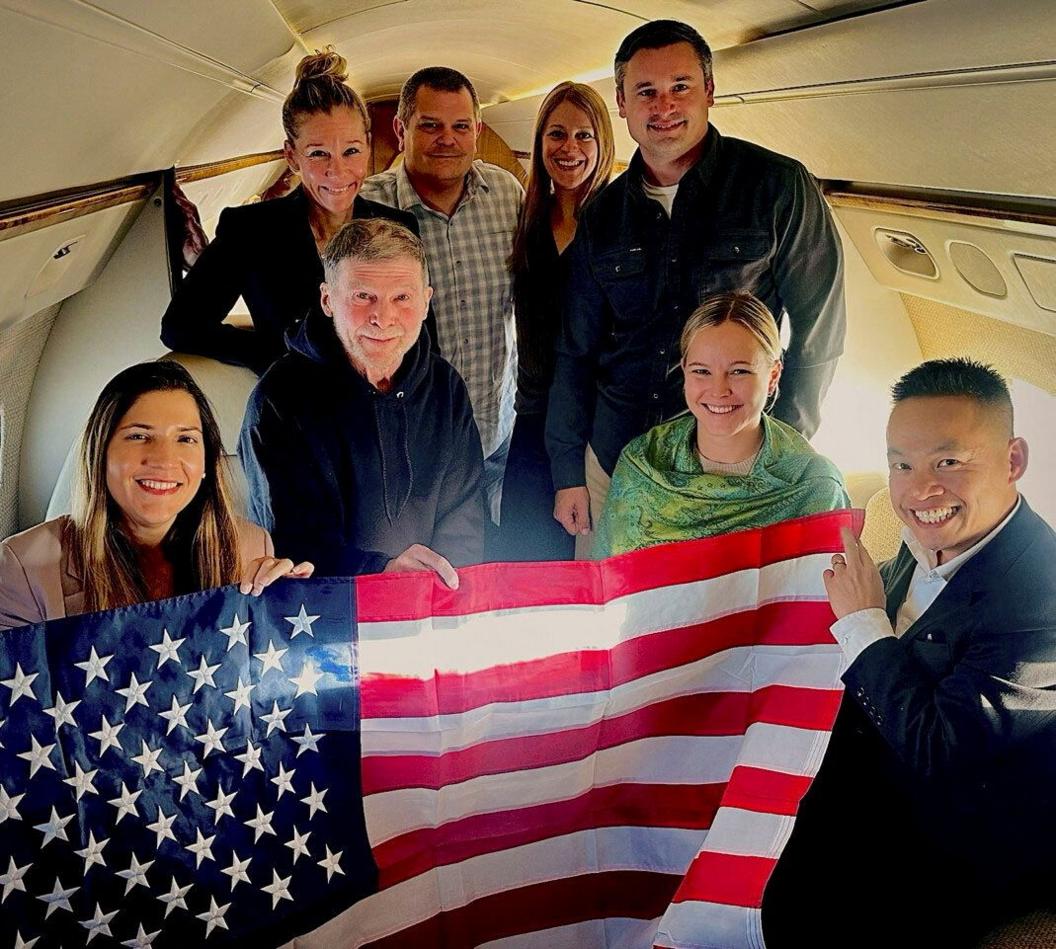
Hubbard was released in February 2026 in the wake of a U.S. diplomatic meeting between Special Envoy Steve Witkoff and Russian President Vladimir Putin. The timing of the release drew criticism that it was a political gesture rather than a humanitarian decision.
Both Khyliuk and Shyshko urge international bodies to investigate the allegations and to hold the Russian authorities accountable for alleged torture and abuse. They hope that the circumstances of Hubbard’s release will prompt a broader review of how foreign detainees are treated during the Ukraine war.