In brief
Five former ambassadors reveal a Moscow where every move is monitored, and every conversation is suspect. From listening devices hidden in gifts to FSB attempts to recruit embassy staff, the hostile environment has eroded usual diplomatic norms. Even ceremonial visits, like the British ambassador's King's birthday party, end in harassment and police questioning. Financial sanctions and staffing cuts further strain embassy operations, leaving diplomats to navigate a labyrinth of security and logistics. Despite the pressure, many diplomats highlight the critical role they play in maintaining lines of communication and fostering people‑to‑people ties.
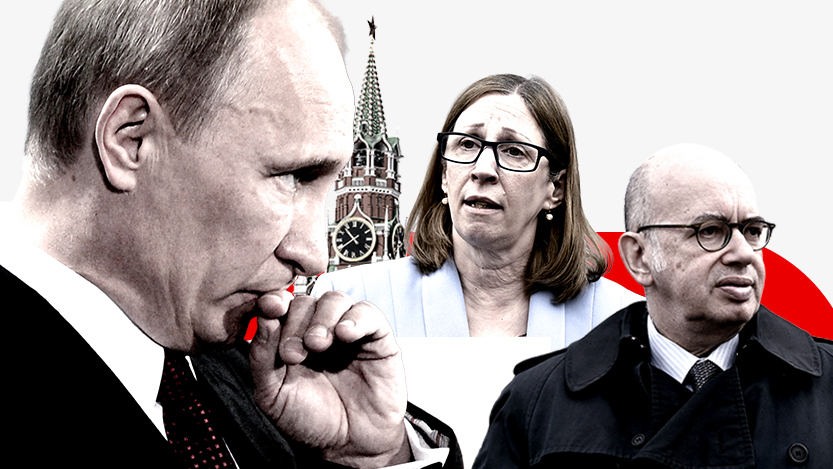
“Being the ambassador to Russia was probably the hardest assignment of my career,” says Lynne Tracy, who served in Moscow from 2023 to 2025. Her words echo a chorus from Britain, the United States, the United Kingdom and several European states, where ambassadors now face relentless surveillance, isolation and a sudden cut‑off from everyday diplomatic activity.
For decades, Western diplomats helped defuse Cold War tensions by staying in Russia, but since the full‑scale invasion of Ukraine in 2022, Moscow has labeled them "unfriendly" and declared hundreds of Western diplomats persona non grata. The embassy staff has been short‑stretched, with even basic maintenance tasks becoming fraught. Funding has disappeared as Russian banks lose access to the Swift system and card companies pull out.
Tracy recalls the extraordinary lengths diplomats have had to take: a Russian official once warned that the embassy’s cooking facilities, the only remaining stable supply, should not be abused. Same day, a former ambassador ran out of cash to pay staff and was rescued by a colleague who slipped rubles into a suitcase from a car sold after an expulsion crisis.
Intelligence‑style pressure from Russia’s FSB has escalated dramatically. Ambassadors report that they are expected to install listening devices in gifts, that cameras may be installed in every room of their own homes and that extortion is a daily concern. Embassies have to keep staff safe, battle logistical nightmares and still provide a channel of communication between governments under strained circumstances.
Even cultural and academic contact has cooled. Moscow’s rhetoric against any “outside” dissent has this far effectively barred most Russian officials from speaking to Western embassies, leaving diplomats the sole conduit of information. Some have turned away guests after pro‑Kremlin activists harassed them, and others have had police question them at every event.
Despite these trials, many ambassadors, including Tracy and Pierre Lévy, claim that holding a foothold in Russia remains vital. They argue that diplomatic presence preserves dialogue, safeguards citizens and, at a time when government‑to‑government relations could thaw, the personal connections built will help accelerate that process.