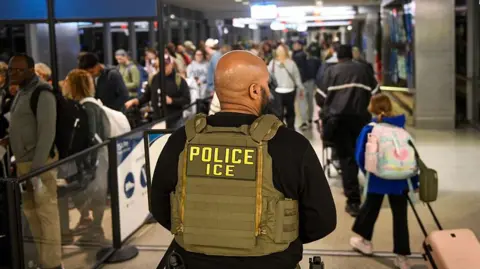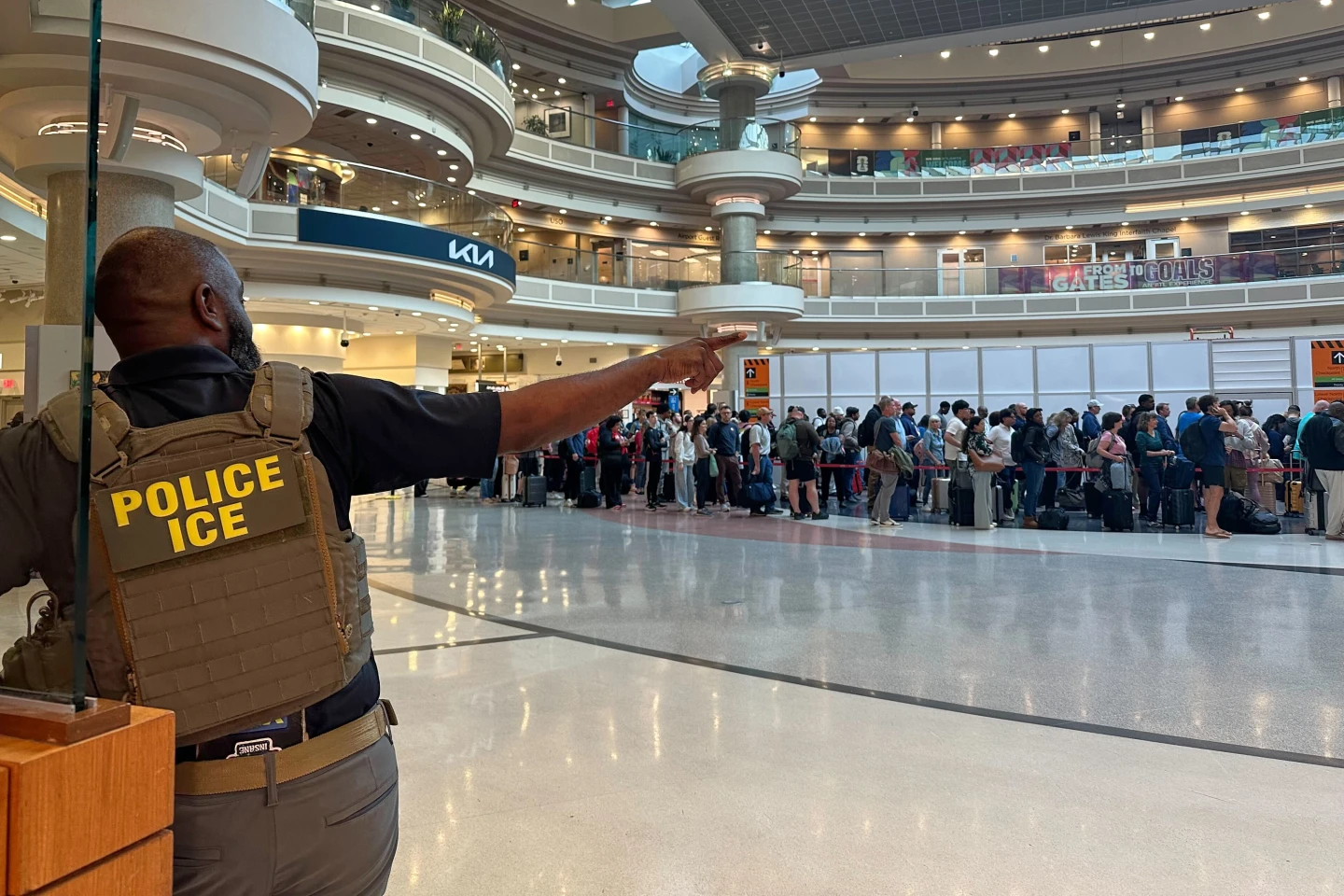
MINNEAPOLIS (AP) — Governor Tim Walz announced on Tuesday that he expects the federal crackdown on immigration in Minnesota to conclude in 'days, not weeks and months.' His optimism stems from recent conversations with key officials from the Trump administration, including border czar Tom Homan and White House chief of staff Susie Wiles.
During a press conference, Walz conveyed his belief that the operation led by Homan, which intensified after incidents involving federal officers, was coming to an end amid rising local and national scrutiny over enforcement tactics. 'We’re very much in a trust but verify mode,' he stated, sharing the expectation that more details would surface soon about the future of what he described as an 'occupation' and a 'retribution campaign' against Minnesota.
Walz’s hope centers around an imminent announcement from Homan, potentially before Friday, declaring the end of the operations, which have sparked fears and disruptions within the community, particularly affecting local businesses.
In addressing the consequences of the crackdown, local business owners have reported a downturn. One establishment, The Market at Malcolm Yards, highlighted concerns from customers and employees, with many fearing repercussions from federal actions. 'The entire restaurant sector has become collateral damage from the surge,' remarked owner Patty Wall.
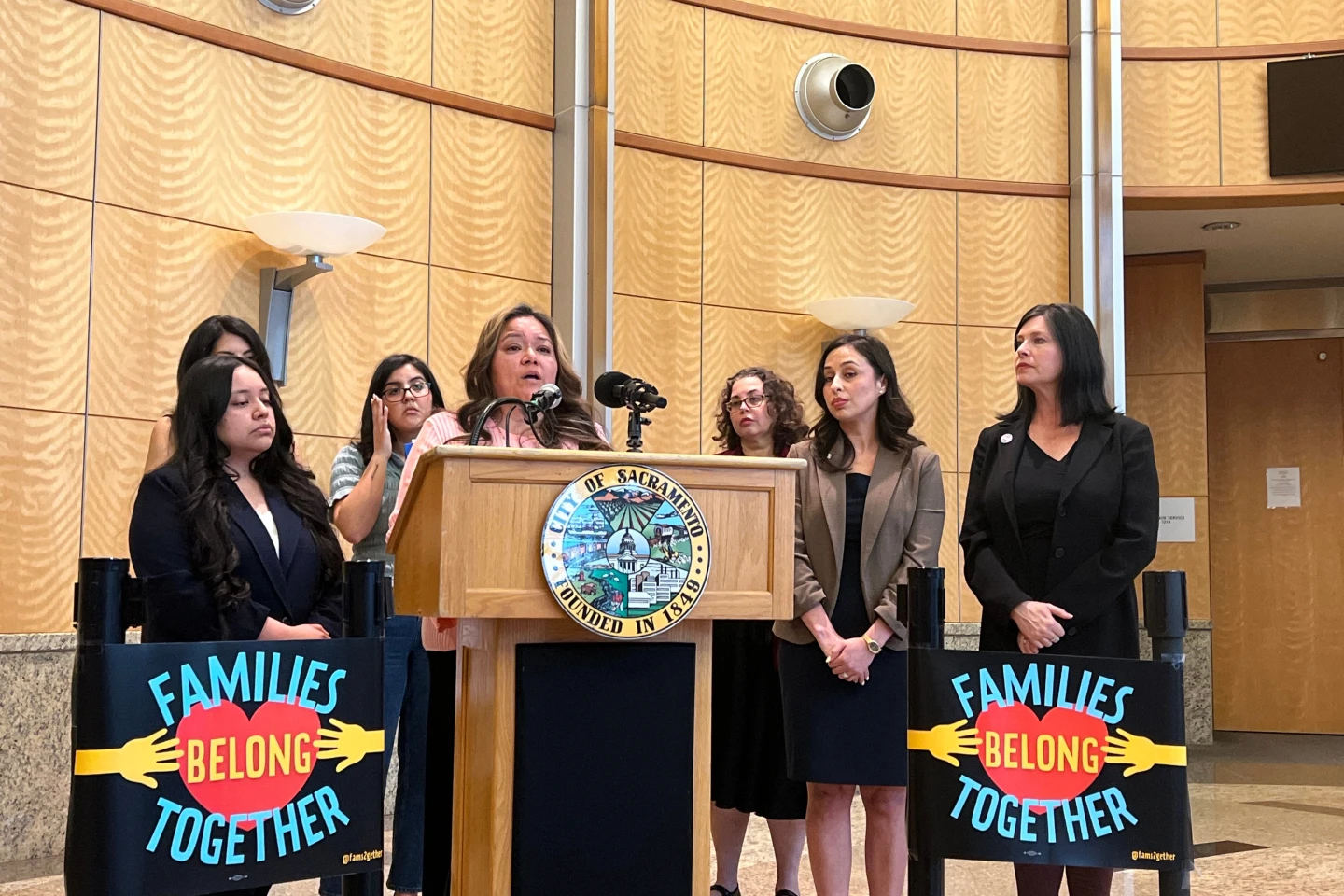
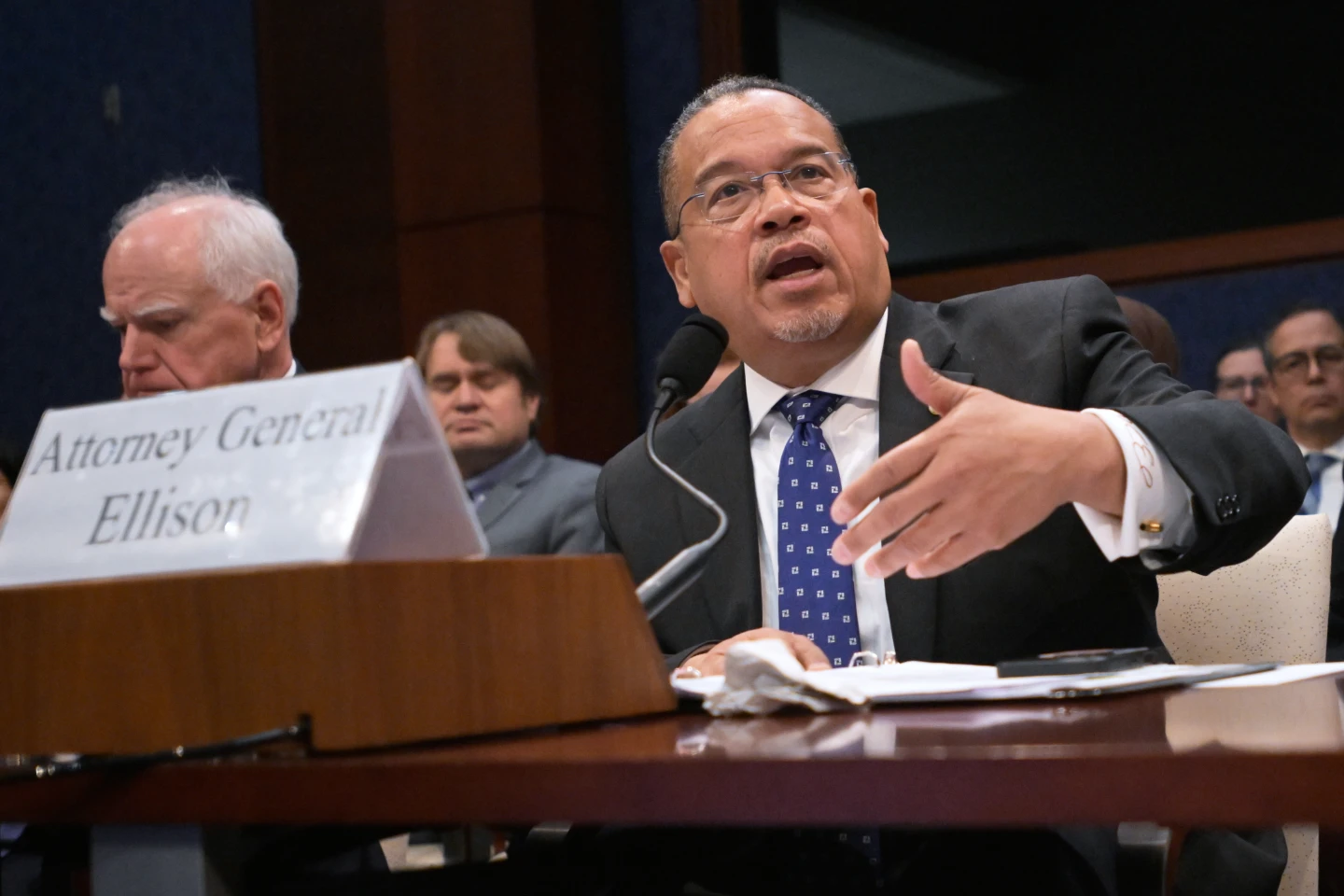
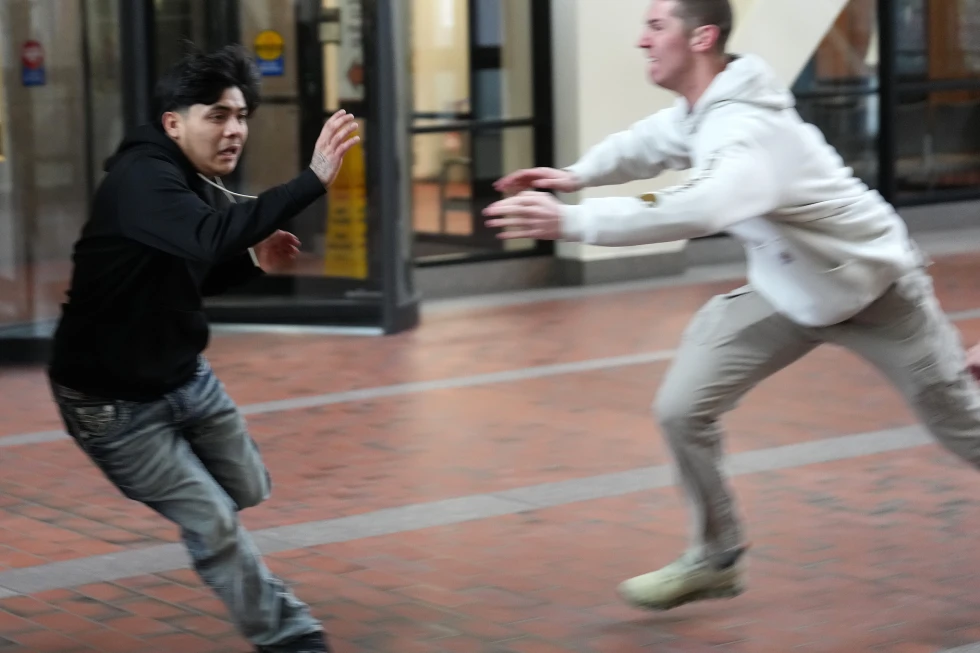
While Walz expressed hope about collaboration on ongoing investigations into recent shootings involving federal officers, he admitted that much depends on the forthcoming announcements from federal authorities. Local officials, including Hennepin County Attorney Mary Moriarty, have raised alarms regarding the disruptive nature of ICE arrests in courthouse settings and the potential for negative impacts on judicial processes.
The governor reiterated that the situation remains delicate, emphasizing that while there appears to be a shift at the federal level, the atmosphere of fear has not significantly abated, signaling ongoing challenges for the affected communities.