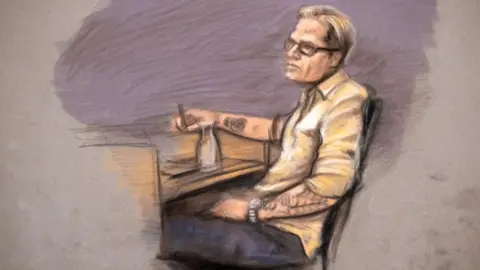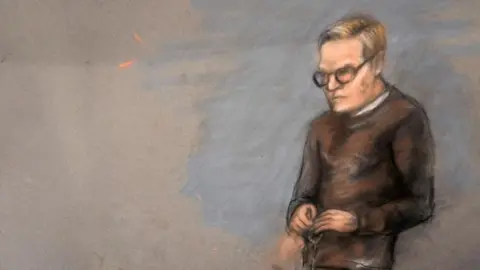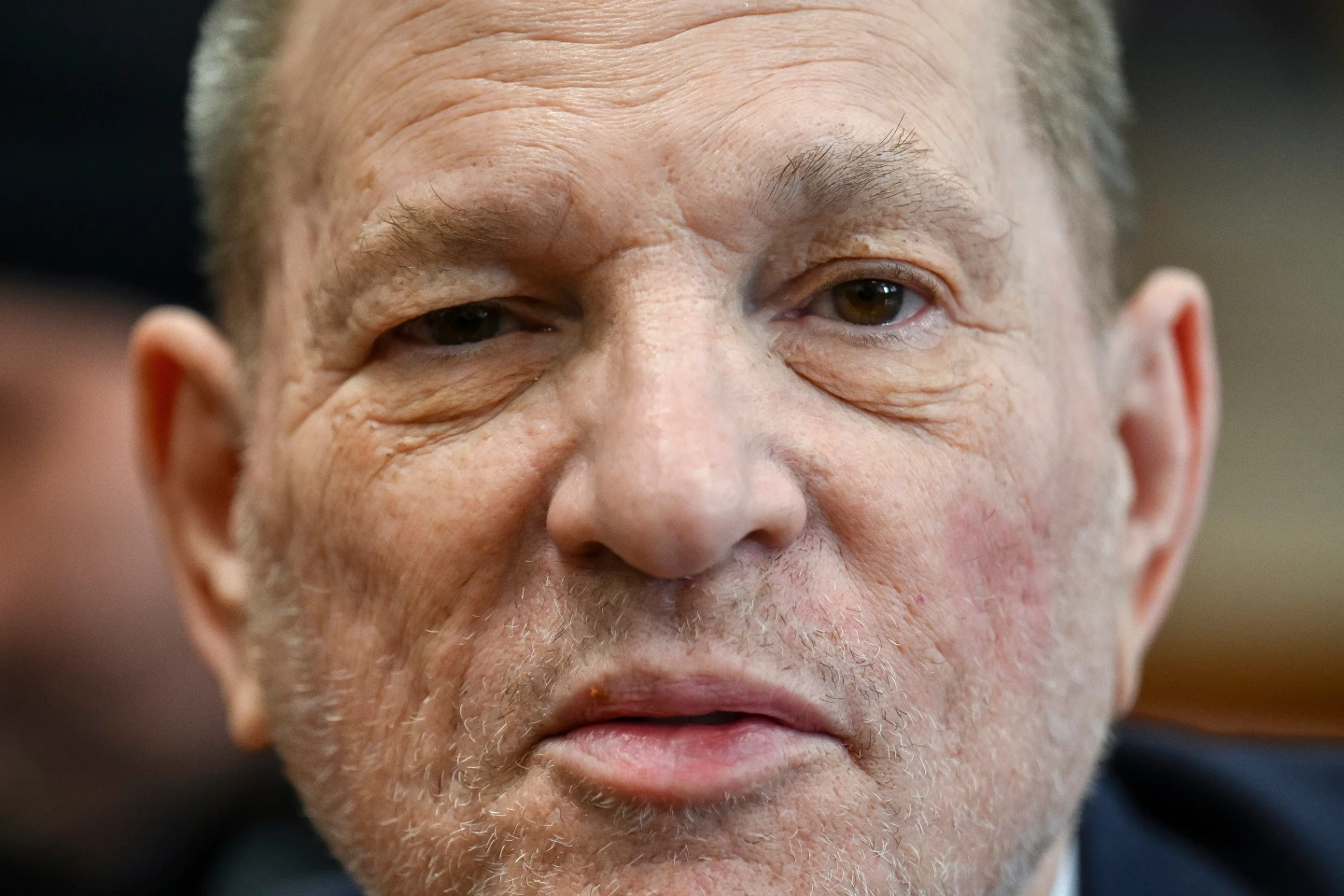
NEW YORK — Harvey Weinstein is back in court as of Thursday, attempting to have his latest sex crime conviction overturned. His argument revolves around claims of heightened anger and discomfort among jurors during their deliberations last spring.
This legal wrangling marks yet another chapter in the convoluted saga of Weinstein, whose case is emblematic of the changes prompted by the #MeToo movement. Over the past seven years, Weinstein's trials have unfolded in both New York and Los Angeles, with a notable reversal in one and a retrial that ended in chaos. He was convicted of forcing oral sex on one woman, acquitted of similar charges in another instance, and the jury was deadlocked on a rape charge related to a separate case, which prosecutors still plan to retry.
Weinstein, who maintains his innocence at 73 years old, faces the legal repercussions of numerous allegations of sexual misconduct that came to light in 2017. Early on, he expressed remorse for his behavior but staunchly denies any accusations of non-consensual acts.
At court, Weinstein’s legal team puts forth the argument that the involved women willingly pursued him with the hope of career opportunities, alleging that they later fabricated accusations for financial gain.
The jury's split verdict from the trial in June came after several jurors took the rare step of informing the judge about tensions behind closed doors. According to reports, one juror noted feelings of isolation due to perceived shunning from the group.
This unusual breach of jury communication led to complaints of intimidation and a foreperson expressing a fear for their safety after what was described as verbal threats from fellow jurors. The judge had advised jurors to keep deliberation discussions confidential but faced challenges with ongoing tensions.
The jurors' identities were concealed in court documents, but declarations afterward revealed some expressed they had succumbed to peer pressure against their convictions.
The legal defense team argues that such tensions create an atmosphere of intimidation, harming the fairness of the jury process. They have asked the judge to dismiss the charge based on the jury misconduct or at least to hold a hearing regarding the reported strife.
Prosecutors, however, contend that the judge acted appropriately by addressing only isolated incidents and maintaining that dialogue about Weinstein’s notoriety was a pertinent part of the trial narrative.
Judge Curtis Farber is expected to render a decision that could either uphold the conviction, set it aside, or prompt further inquiry into the jury's conduct. Regardless of his ruling, the potential for an appeal remains.
On the heels of this legal battle, prosecutors are prepared to retry Weinstein on the unresolved rape charge. Currently incarcerated in New York, Weinstein continues to navigate multiple legal challenges, including an appeal concerning a separate rape conviction in Los Angeles.
This legal wrangling marks yet another chapter in the convoluted saga of Weinstein, whose case is emblematic of the changes prompted by the #MeToo movement. Over the past seven years, Weinstein's trials have unfolded in both New York and Los Angeles, with a notable reversal in one and a retrial that ended in chaos. He was convicted of forcing oral sex on one woman, acquitted of similar charges in another instance, and the jury was deadlocked on a rape charge related to a separate case, which prosecutors still plan to retry.
Weinstein, who maintains his innocence at 73 years old, faces the legal repercussions of numerous allegations of sexual misconduct that came to light in 2017. Early on, he expressed remorse for his behavior but staunchly denies any accusations of non-consensual acts.
At court, Weinstein’s legal team puts forth the argument that the involved women willingly pursued him with the hope of career opportunities, alleging that they later fabricated accusations for financial gain.
The jury's split verdict from the trial in June came after several jurors took the rare step of informing the judge about tensions behind closed doors. According to reports, one juror noted feelings of isolation due to perceived shunning from the group.
This unusual breach of jury communication led to complaints of intimidation and a foreperson expressing a fear for their safety after what was described as verbal threats from fellow jurors. The judge had advised jurors to keep deliberation discussions confidential but faced challenges with ongoing tensions.
The jurors' identities were concealed in court documents, but declarations afterward revealed some expressed they had succumbed to peer pressure against their convictions.
The legal defense team argues that such tensions create an atmosphere of intimidation, harming the fairness of the jury process. They have asked the judge to dismiss the charge based on the jury misconduct or at least to hold a hearing regarding the reported strife.
Prosecutors, however, contend that the judge acted appropriately by addressing only isolated incidents and maintaining that dialogue about Weinstein’s notoriety was a pertinent part of the trial narrative.
Judge Curtis Farber is expected to render a decision that could either uphold the conviction, set it aside, or prompt further inquiry into the jury's conduct. Regardless of his ruling, the potential for an appeal remains.
On the heels of this legal battle, prosecutors are prepared to retry Weinstein on the unresolved rape charge. Currently incarcerated in New York, Weinstein continues to navigate multiple legal challenges, including an appeal concerning a separate rape conviction in Los Angeles.