In brief
The town council of Heidenau, near Dresden, has voted to remove the Stolpersteine memorials that honour Jews and other Nazi victims. The decision, driven by city councillors from the AfD and CDU, has been condemned as a scandal by the Education Minister and senior CDU members. Holocaust survivor Charlotte Knobloch and the Jewish community in Munich condemn the move, arguing that public remembrance must remain visible. The ban reflects the growing influence of right‑wing populists in eastern Germany amid recent electoral successes.
BREAKING: Heidenau council bans Stolpersteine
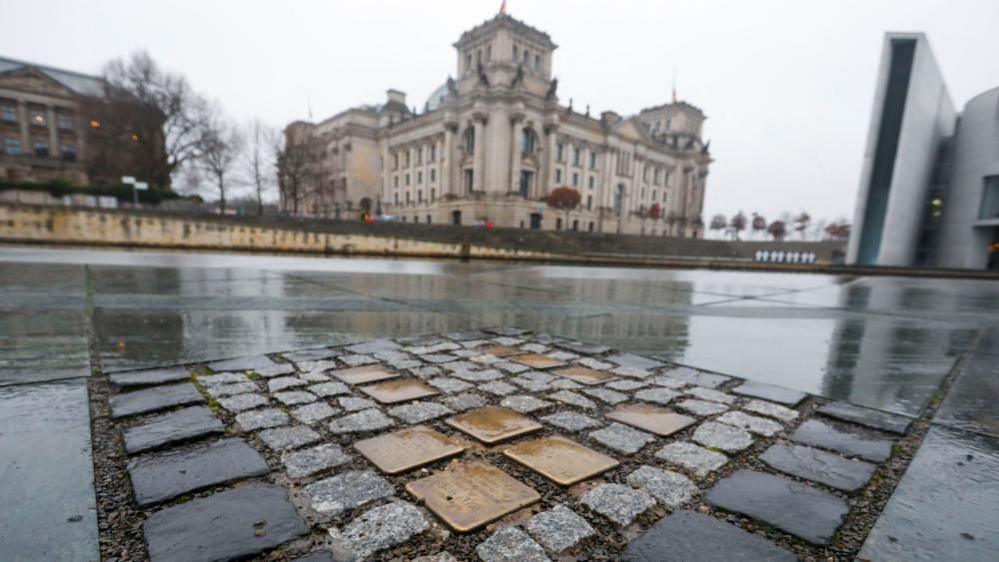
In a controversial move, the town of Heidenau near Dresden voted to ban the small brass plaques known as Stolpersteine that sit in streets to remember victims of the Nazi era.
The ‘stumbling stones’ were created in the 1990s by artist Gunter Demnig and are placed outside former homes and workplaces of Jews, Roma and other persecuted groups, inviting passers‑by to pause and reflect.
The decision was made by councillors from the AfD and the CDU. Education Minister Karin Prien called the ruling a scandal and warned that moving memorials to the cemetery would make the past invisible.
AfD’s role in the vote has drawn attention after the party has been labelled extremist by German intelligence, a label the party disputes.
Jewish community leaders, including Holocaust survivor Charlotte Knobloch, condemned the ban as a step backward. She noted that Munich, while not allowing municipal Stolpersteine, does support symbolic plaques on public buildings.
The move comes as the AfD has made electoral gains in Saxony-Anhalt and Mecklenburg‑Vorpommern, raising concerns about a resurgence of right‑wing influence over cultural memory.
Stolpersteine near the Reichstag in Berlin