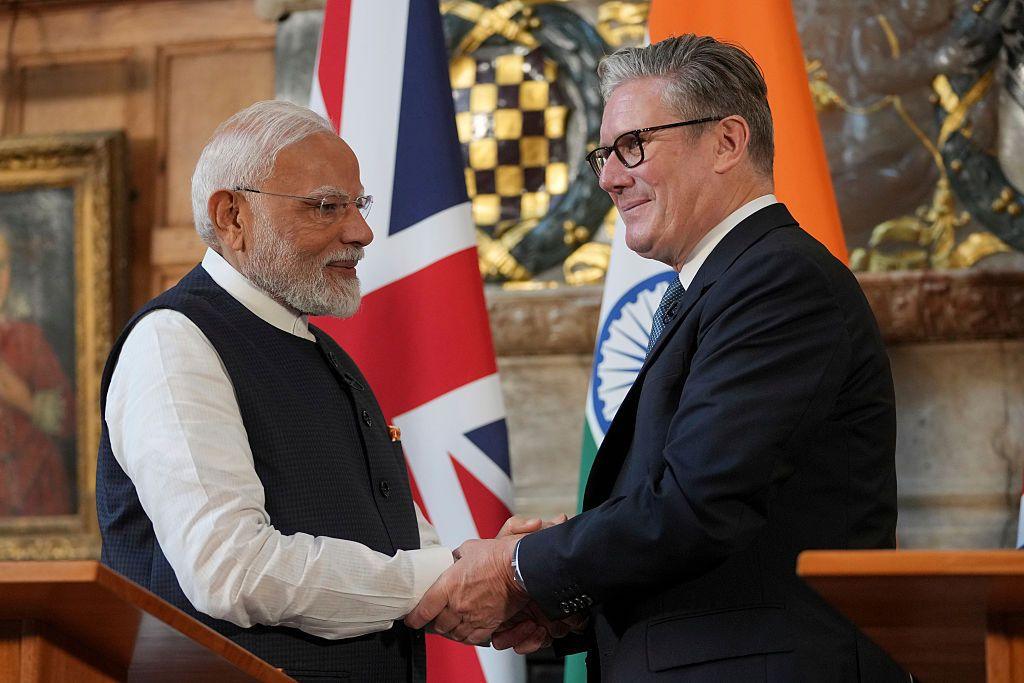
From Wimbledon towels to Scotch whisky – the new India‑UK free trade agreement (FTA) that entered into force on 4 July 2026 is poised to reshape everyday shopping for consumers in both countries. The pact eliminates or dramatically reduces duties on 99% of Indian exports and 90% of UK imports, a step that could lower the cost of items such as home textiles, apparel and beverages.
Welspun Living, the Indian maker of championship towels that the British sporting chain John Lewis imports, has already begun planning for the FTA’s benefits. CEO Dipali Goenka notes that the company now coordinates supply‑chain activities with UK retailers in London, expecting exports to grow in double‑digits as tariff savings become available.
India’s competitive edge in textiles, which previously faced a 12% duty against a duty‑free quota for Bangladesh and Pakistan, is sharpened by the FTA. With India’s market share in UK home‑textile imports projected to rise from 6 % to 12 % in the next few years, garments and bedding could become more affordable for shoppers.
The agreement also cuts customs duties on Scotch whisky from 150% to 75% immediately, and gradually to 40% over ten years. Importers in the UK, such as Modern Drinks Pvt Ltd, are preparing the necessary paperwork to claim the new tariff levels from day one, and expect increased traffic from Indian brewers.
For many sectors the change is incremental, not transformational, experts suggest. While ready‑made garments, footwear, cars and marine products stand to gain, the full potential of the FTA hinges on small exporters actively applying the tariff reductions and fulfilling origin certifying requirements. In practice, only 20‑30% of eligible Indian exporters currently use FTA benefits, so training and regulatory support will be critical.
Other matters such as the UK’s steel tariff safeguards and the proposed carbon border adjustment mechanism (CBAM) may temper the gains in some industries. However, analysts anticipate tangible improvements to trade flows within the first year and broader benefits to consumers through wider product choice and potentially lower prices.
For more on the India‑UK trade deal see the BBC News article.