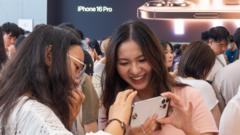
According to market experts, this pricing strategy reflects a shift in Apple's approach to the evolving shopping behaviors of Chinese consumers, who are increasingly seeking value-driven options. "The value-seeking trend has made price discounts more attractive to consumers," noted Will Wong from IDC, emphasizing that failing to adapt could cost Apple market share. This sentiment is echoed by the competitive pricing strategies of local rivals, who are also feeling the pressure to attract cautious consumers.
Huawei has notably slashed prices of its premium smartphones by as much as 20%, further intensifying the competitive atmosphere. This context is vital as Apple re-enters the top five smartphone makers in China after a brief absence in the third quarter of 2024, highlighting the fluctuating market shares among major players. Reports indicate that local brand Vivo emerged as the best-selling smartphone maker, marking a significant shift in consumer preferences during this challenging market.
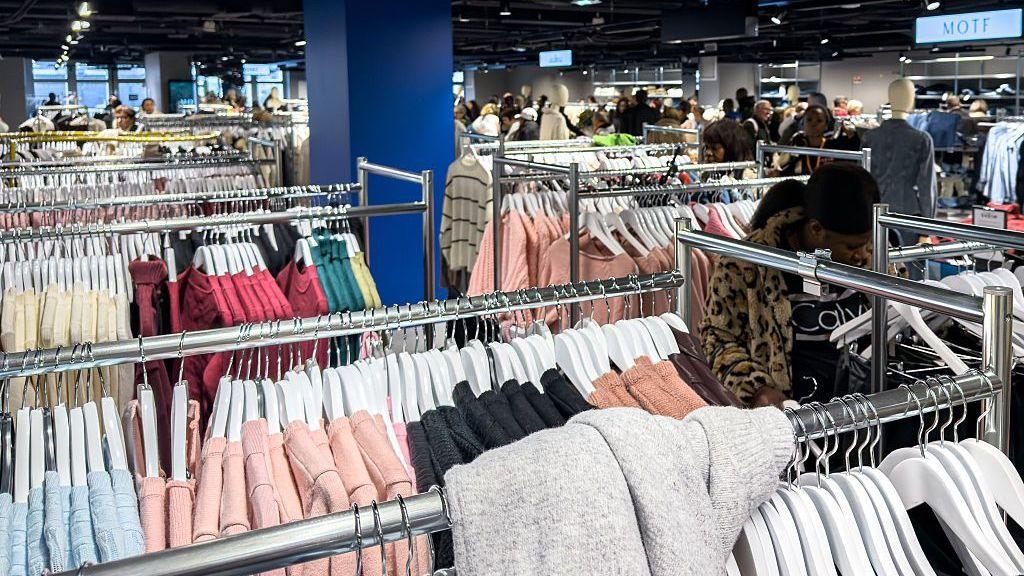
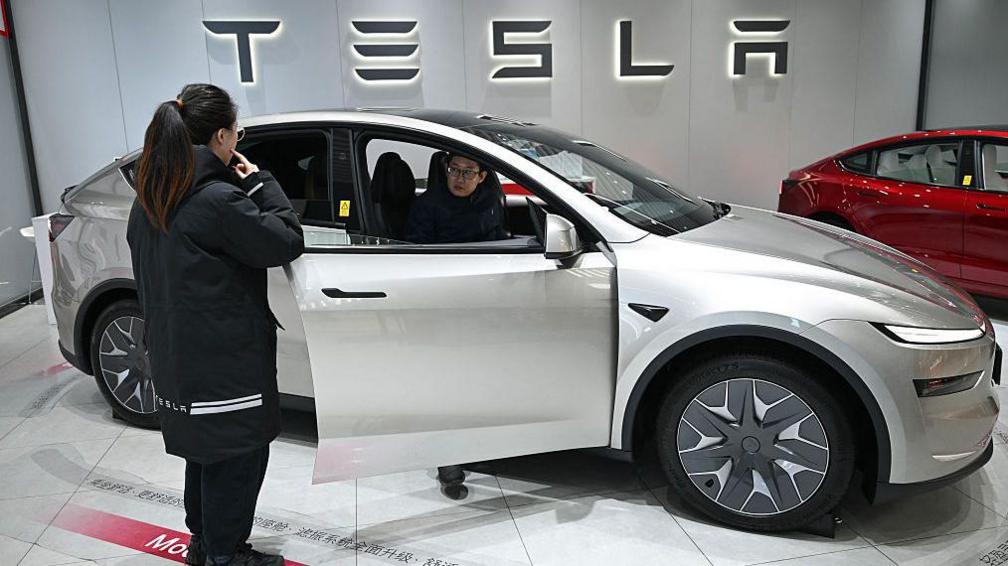
The discounts not only reflect the fierce competition but also a broader trend among various sectors in China, from online retailers to automotive companies, as businesses attempt to entice hesitant customers amid an economic slowdown. With Huawei making significant gains following restrictions imposed by the U.S. and launching advanced devices, the ongoing battle for consumer loyalty hints at a volatile future in China's smartphone market.
In summary, Apple's rare discounting in China signifies its responsive strategy amid increasing competition and a cautious consumer base, as local brands like Huawei continue to capture market share through strategic price reductions and innovative offerings.
Huawei has notably slashed prices of its premium smartphones by as much as 20%, further intensifying the competitive atmosphere. This context is vital as Apple re-enters the top five smartphone makers in China after a brief absence in the third quarter of 2024, highlighting the fluctuating market shares among major players. Reports indicate that local brand Vivo emerged as the best-selling smartphone maker, marking a significant shift in consumer preferences during this challenging market.
The discounts not only reflect the fierce competition but also a broader trend among various sectors in China, from online retailers to automotive companies, as businesses attempt to entice hesitant customers amid an economic slowdown. With Huawei making significant gains following restrictions imposed by the U.S. and launching advanced devices, the ongoing battle for consumer loyalty hints at a volatile future in China's smartphone market.
In summary, Apple's rare discounting in China signifies its responsive strategy amid increasing competition and a cautious consumer base, as local brands like Huawei continue to capture market share through strategic price reductions and innovative offerings.