China’s Teen Drug Crisis: Exam Pressure Drives Students to Prescription Tablets
At fourteen, Xiaomei—a top student from a coastal province—overdosed on an over‑the‑counter cough suppressant to impress a boy who claimed it would relax her. The tablet, normally prescription‑only, was bought online after she learned it could produce a brief “pharmaceutical high.” Within two years, she indiscriminately purchased dozens of prescription drugs, all sourced from the internet, to dull exam anxiety and family conflict.
The BBC has found similar narratives across Chinese social‑media chat rooms. Teens consistently describe the drugs as a way to “run away from reality,” a sentiment echoed in voice‑chat snippets of dizzy, disorientated users. While the government re‑classified the cough suppressant as a psychotropic in 2024 and tightened pharmaceutical controls for other drugs, the surge of non‑regulated substance misuse remains a serious, poorly quantified problem.
Reports from the Ministry of Justice’s Crime Prevention Institute indicate young people are creative in evading detection, using alternate drug names and unregulated painkillers. The same problem underpins a national debate: is the focus on prescription drug law‑enforcement the right solution, or is there a deeper crisis of youth mental health?
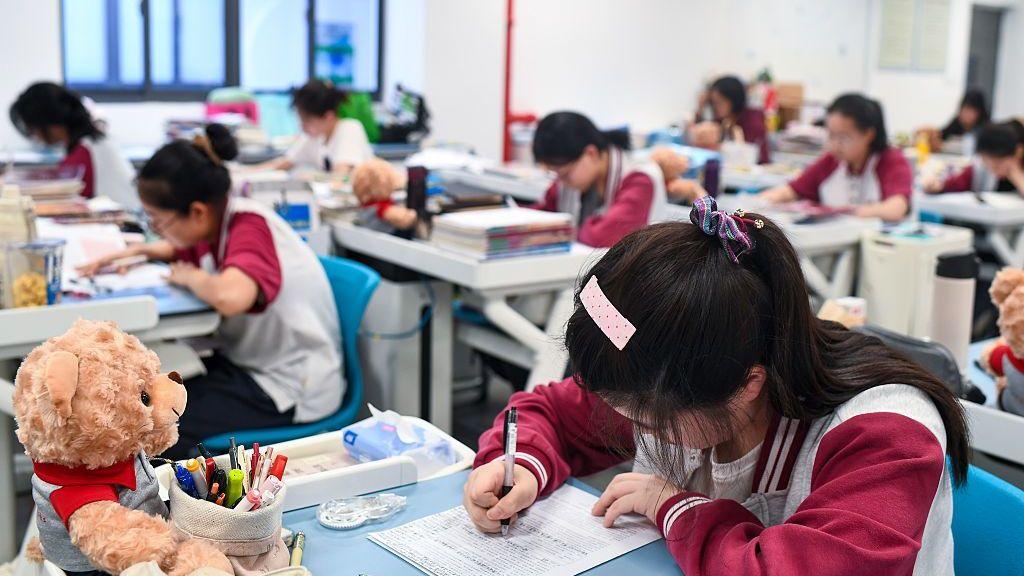
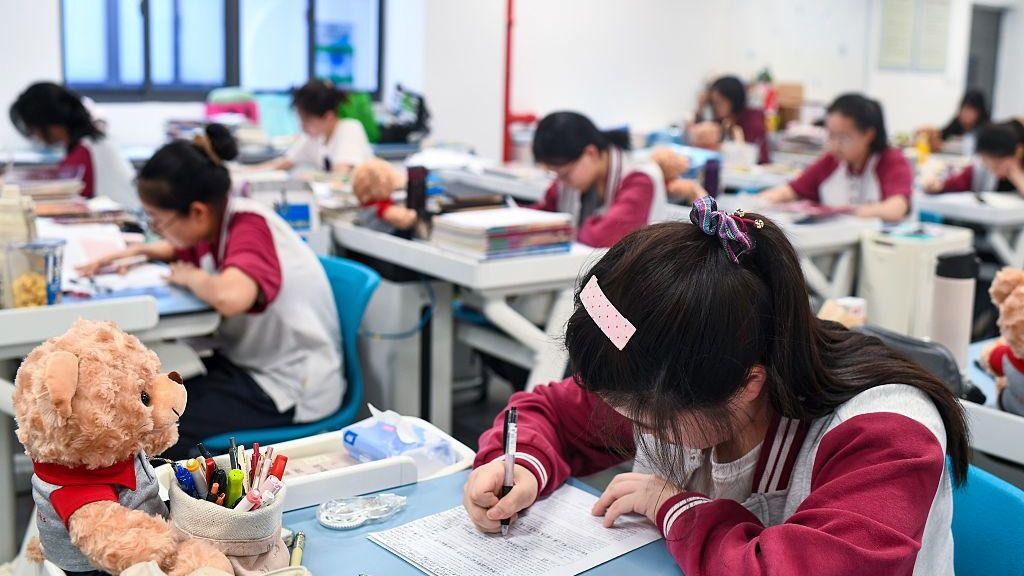
Sociologist Xiang Biao cites the isolation of China's rigorous schooling system, with students spending 9–10 hours daily in class and limited social interaction. He warns that the intense pressure may link prescription misuse with self‑harm behaviors, noting a spike in teenage self‑cutting on social‑media groups.
The government’s response aims to embed counsellor desks in every primary and secondary school, psychiatric services in county hospitals, and mental‑health curricula by 2030. Yet only 500 qualified child psychiatrists are reported to serve a population of 2.4 billion, and the majority of those are stationed in major cities.
Xiaomei’s turnabout came after a paramedics’ visit and an honest conversation with her parents, who listened without judgment and helped her recover enough to perform well on the high‑stakes National College Entrance Exam. While not every teenager finds such support, advocates like 22‑year‑old Lu Jingchan—who himself overdosed four times—use social media to warn against drug use and encourage resilience.
China’s youth face a dual crisis: relentless academic expectations coupled with limited mental‑health resources. Addressing this will require systemic reforms in schooling, family dynamics, and healthcare infrastructure, alongside a cultural shift toward recognising and treating adolescent mental health as a national priority.