China has urged the United States to reconsider its latest sanctions on Iran, calling the move an unlawful unilateral action that undermines international trade.
Foreign Ministry spokesman Lin Jian announced that Beijing will “take all necessary measures” to protect its rights against what it described as illegal restrictions on its trade with Iran and other partners.
The United States escalated its pressure last Monday, when Treasury Secretary Scott Bessent unveiled a package that he dubbed the “single greatest financial offensive ever” against Tehran. Bessent warned that any nation or institution conducting transactions with Iran would face isolation and potential sanctions.
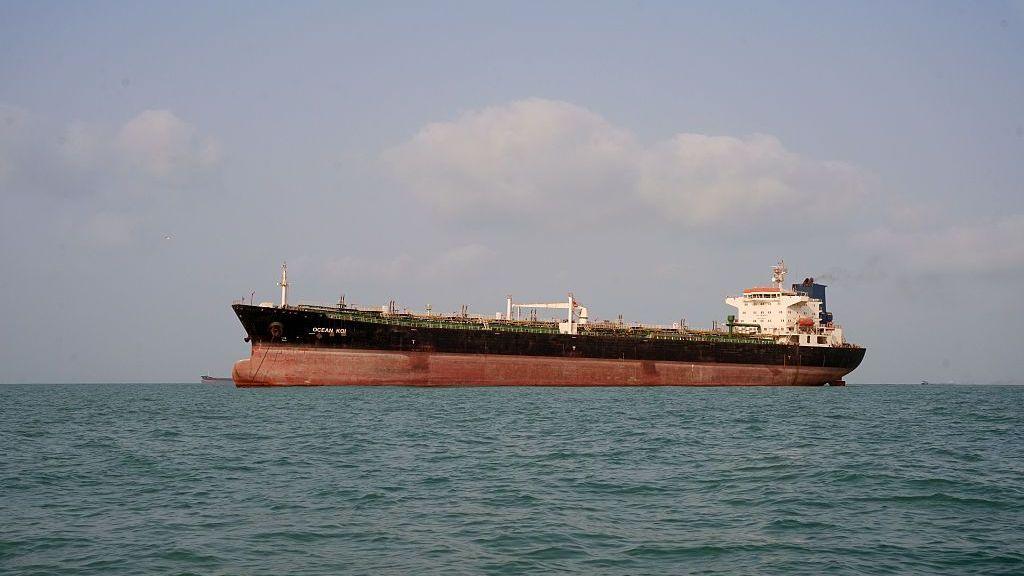
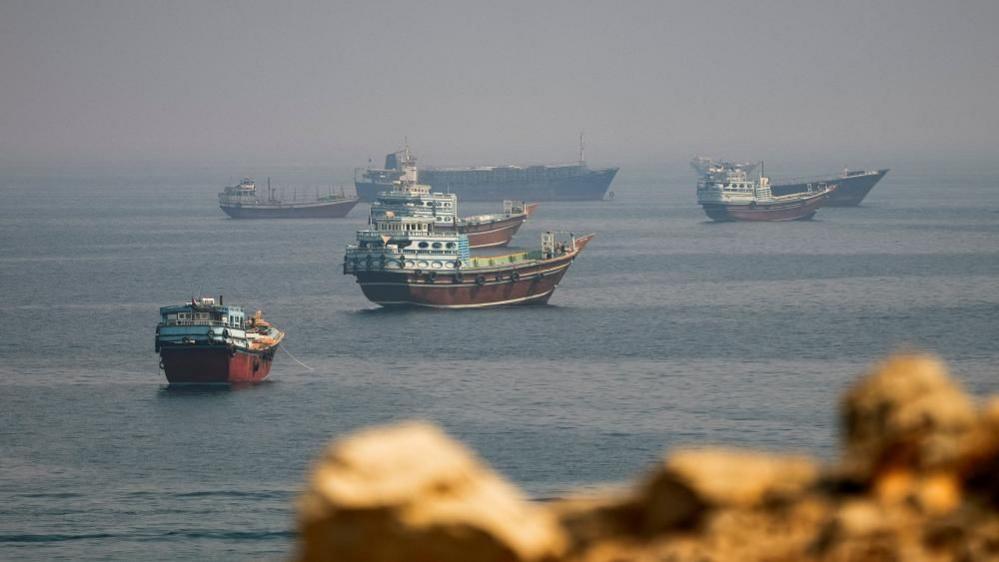
China remains the largest buyer of Iranian oil, though U.S. sanctions have curbed overall imports. In response, Beijing stressed that Sino‑Iranian cooperation is conducted in accordance with international law and should not be interfered with.
Iran’s Economy Minister Ali Madanizadeh echoed Beijing’s stance, saying Tehran was “fully prepared” to counter the expanded sanctions and that the country had a two‑year plan to manage the impact. He added that Iran had long anticipated such measures.
Analysts suggest the sanctions will have limited short‑term effects on Iranian revenues, largely because approximately 90 percent of Iran’s oil is routed to China, which has historically ignored U.S. restrictions. David Oxley, chief climate and commodities economist at Capital Economics, described the package as a “damp squib” for Iran’s energy flows.
International Crisis Group’s deputy director Ali Vaez noted that China typically disfavors unilateral sanctions, preferring multilateral enforcement, and that the global community must seek cohesive actions.
The new sanctions set the stage for a meeting between President Trump and President Xi regarding wider geopolitical issues. The United States is wary that heightened tensions could trigger Chinese retaliation, particularly in the lucrative rare‑earth trade that underpins high‑tech manufacturing.
China’s tightening of export controls on rare earths earlier this year, as part of trade negotiations with the U.S., illustrates the growing friction. The broader implications for other trade partners, such as India and Russia, remain uncertain as they await official positions.
Read more on Iran’s preparedness for sanctions