LOS ANGELES (AP) — An immigration judge has dismissed the deportation case against Narciso Barranco, a landscaper from Southern California and father to three U.S. Marines, who was arrested in June 2022.
Barranco’s case drew national attention amid the crackdown on immigration policies under the Trump administration, highlighting the tensions between enforcement strategies and family ties to U.S. military personnel. Witnesses recorded the arrest, in which federal agents engaged in a physical struggle with Barranco outside an IHOP where he was clearing weeds.
Following his detention and release on a $3,000 bond, Barranco was monitored via ankle tracker. In a determined response to these events, Judge Kristin S. Piepmeier declared that Barranco's status as a parent to U.S. service members granted him eligibility for lawful residency, stating in her ruling that it is vital to consider the family implications in immigration cases.
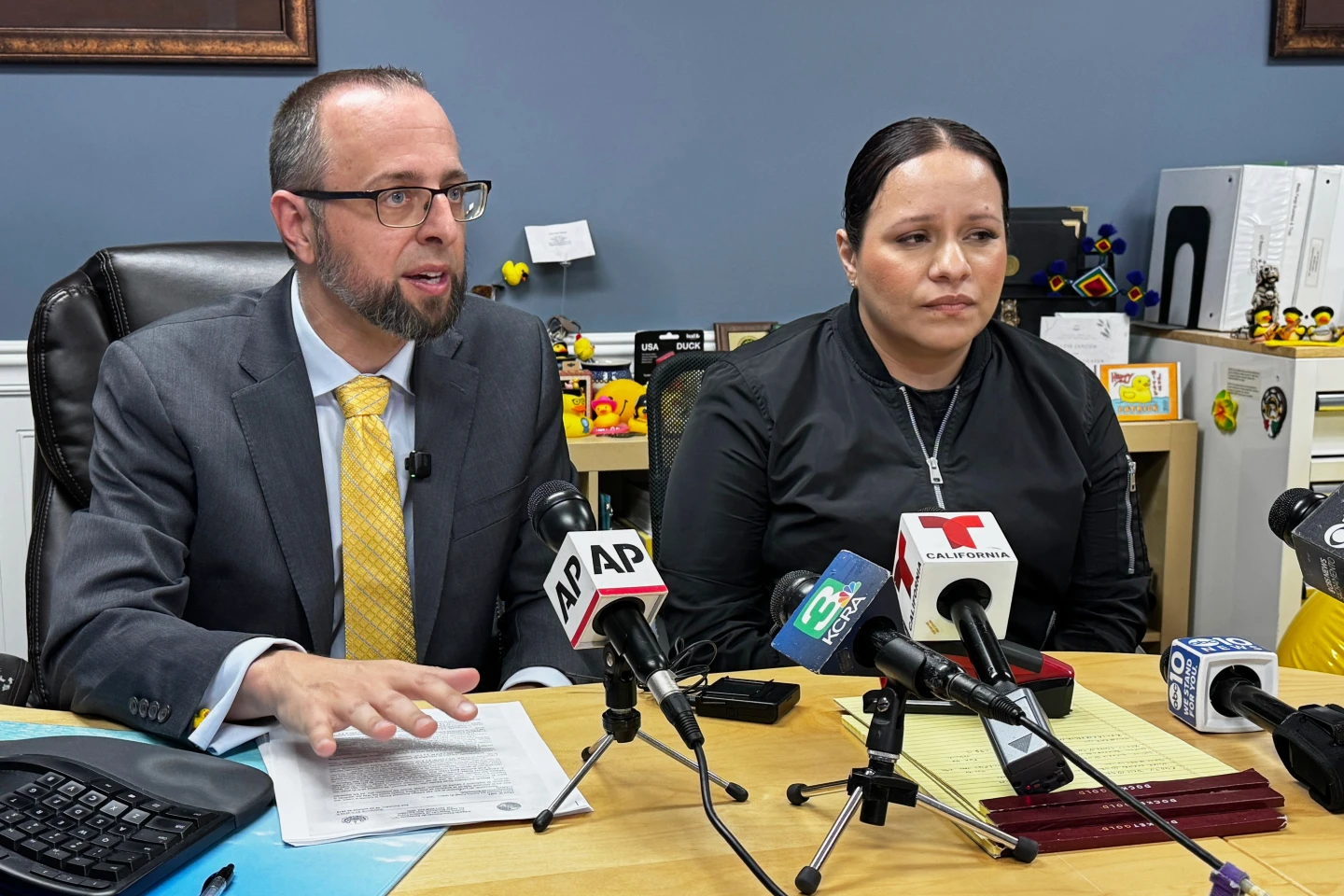
Barranco expressed his relief over the court's decision during a phone interview, saying, “Thank God I don’t have that weight on top of me.” However, he noted that he is still cautious about venturing out, pending the completion of his legal processes. His attorney, Lisa Ramirez, remarked on the "extreme relief" Barranco feels now that his ankle monitor has been lifted and his check-ins with immigration have ceased.
Controversy over Enforcement
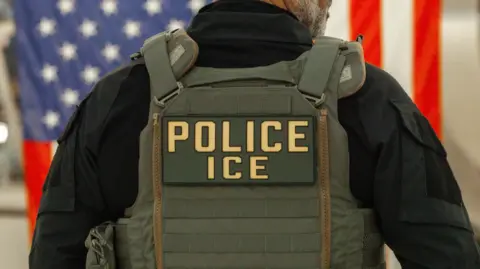
The Department of Homeland Security (DHS) has indicated plans to appeal the ruling. In a statement, Assistant Secretary Tricia McLaughlin defended the actions of ICE agents, claiming Barranco had resisted arrest and raised his weed trimmer menacingly during the incident. However, this characterization is disputed by Barranco's family, who emphasize his lack of any criminal history and the traumatic nature of the incident.
Barranco's son, Alejandro, a former Marine who participated in the military's evacuation from Afghanistan, criticized the aggressive approach taken by the arresting officers, contrasting it with military training that prefers de-escalation.
As Barranco applies for Parole in Place, which offers protections to parents of military personnel, Ramirez estimates a waiting period of at least six months for the legal status to be finalized.
This case not only highlights issues related to immigration enforcement but also raises broader concerns regarding the treatment of individuals who contribute significantly to the U.S. military.