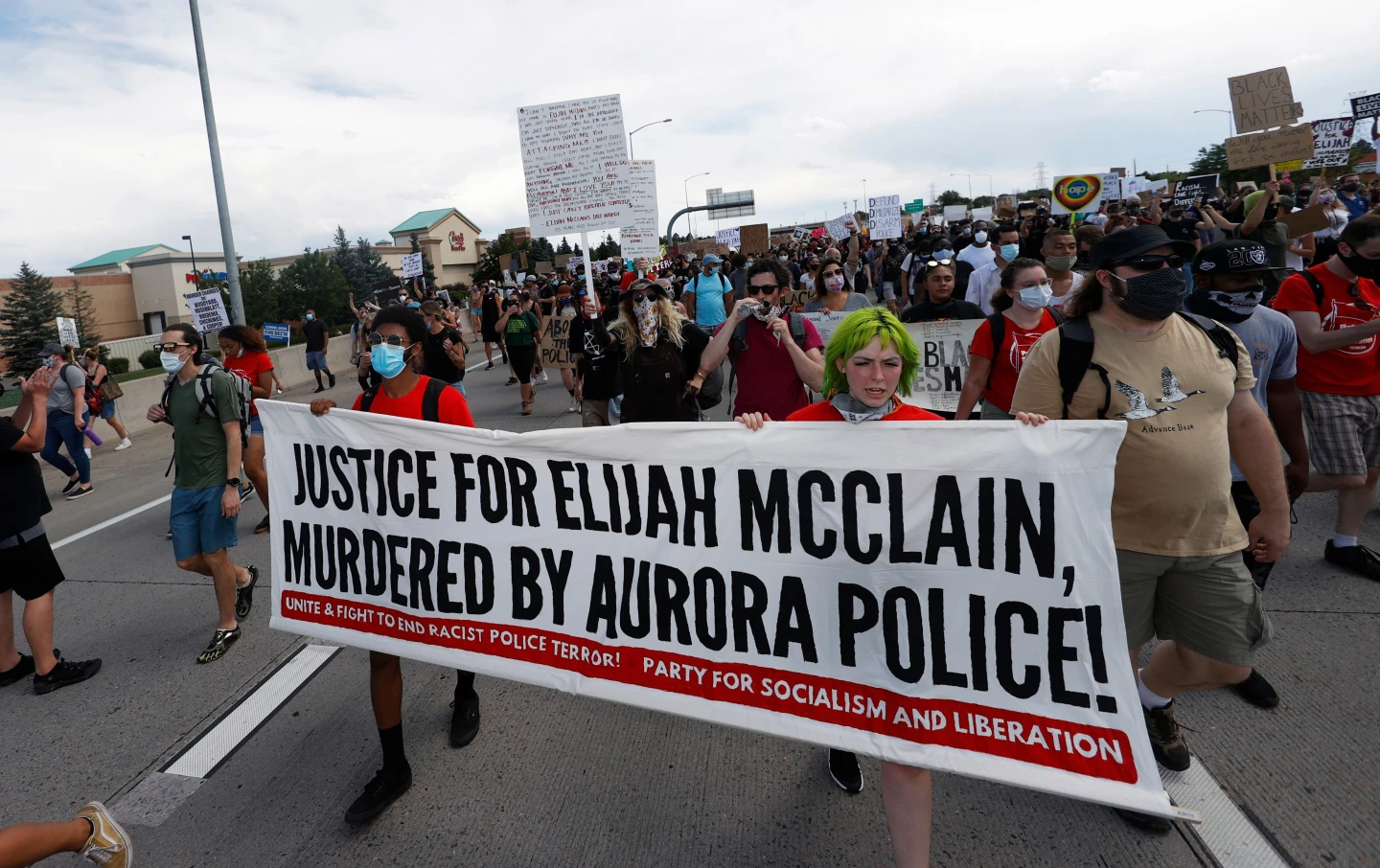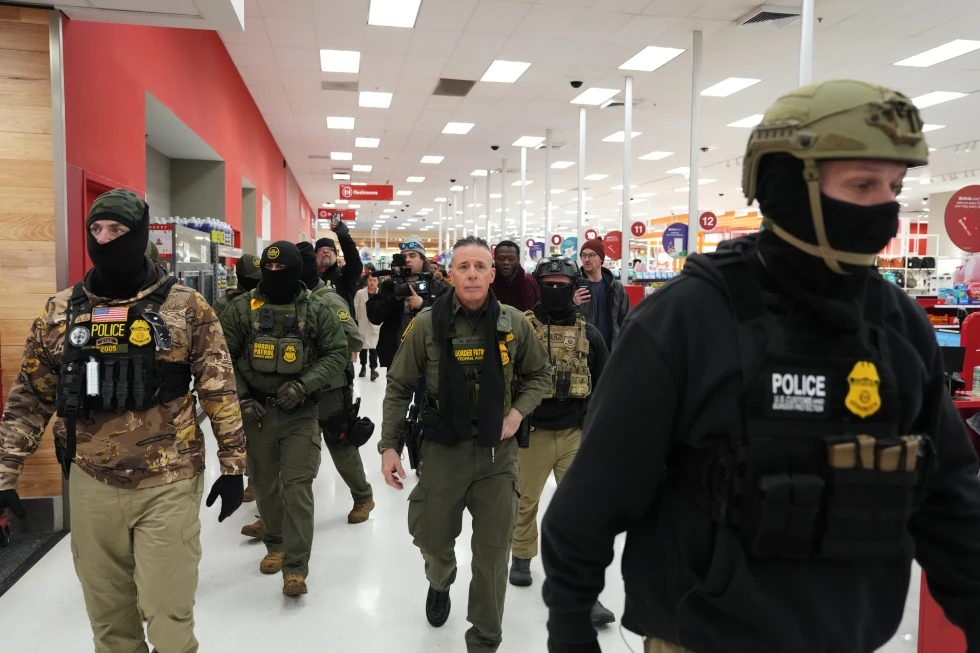
NEW YORK (AP) – Activists are set to stage protests at more than 25 Target stores nationwide this week, as part of a larger effort to pressure the discount retailer into taking a public stance against the ongoing immigration crackdown in Minnesota. Organized by ICE Out Minnesota—a coalition encompassing community groups, religious leaders, and labor unions—the call for protest comes in the wake of violent encounters, including federal agents killing two residents engaged in anti-ICE demonstrations.
The coalition's spokesperson, Elan Axelbank, expressed dissatisfaction with Target, stating, They claim to be part of the community, but they are not standing up to ICE. Target's headquarters in Minneapolis has witnessed increased tensions following these recent federal enforcement actions, sparking a range of planned sit-ins and demonstrations across cities including St. Paul, Boston, and Chicago.
One significant point of contention is the detention of Target employees during a recent immigration enforcement operation, which has drawn increased scrutiny on the company's policies regarding access to its stores. Protesters are demanding that Target deny federal agents access to their stores unless they possess judicial warrants.
Legal experts note that while federal agents generally have the right to enter public areas of businesses, specific privacy protections exist for non-public areas. The aim of the protests is not only to address Target's corporate practices but also to advocate for broader immigration reform and protection of immigrant rights.
Although Target has not publicly addressed the protests, CEO Michael Fiddelke, who took office in early February, previously acknowledged community violence in a video message to employees. His remarks, however, did not specifically cover the immigration crackdown or the fatalities resulting from the recent federal enforcement actions.
The protests invite reflection on Target's corporate ethics, consumer relations, and potential distractions that could impact its business amidst ongoing operational struggles. Critics from the retail sector are noting that this public backlash might diverge focus from more pressing business concerns, such as sales performance and customer satisfaction.
The demonstrations, while small in scale relative to Target's nearly 2,000 locations, signal a growing cultural and political resistance to perceived complicity in federal immigration policies. Organizations like Mennonite Action have also joined, further expanding the reach of protests and urging Target to take a definitive stand against current immigration enforcement practices, which they view as harmful to immigrant communities.
The coalition's spokesperson, Elan Axelbank, expressed dissatisfaction with Target, stating, They claim to be part of the community, but they are not standing up to ICE. Target's headquarters in Minneapolis has witnessed increased tensions following these recent federal enforcement actions, sparking a range of planned sit-ins and demonstrations across cities including St. Paul, Boston, and Chicago.
One significant point of contention is the detention of Target employees during a recent immigration enforcement operation, which has drawn increased scrutiny on the company's policies regarding access to its stores. Protesters are demanding that Target deny federal agents access to their stores unless they possess judicial warrants.
Legal experts note that while federal agents generally have the right to enter public areas of businesses, specific privacy protections exist for non-public areas. The aim of the protests is not only to address Target's corporate practices but also to advocate for broader immigration reform and protection of immigrant rights.
Although Target has not publicly addressed the protests, CEO Michael Fiddelke, who took office in early February, previously acknowledged community violence in a video message to employees. His remarks, however, did not specifically cover the immigration crackdown or the fatalities resulting from the recent federal enforcement actions.
The protests invite reflection on Target's corporate ethics, consumer relations, and potential distractions that could impact its business amidst ongoing operational struggles. Critics from the retail sector are noting that this public backlash might diverge focus from more pressing business concerns, such as sales performance and customer satisfaction.
The demonstrations, while small in scale relative to Target's nearly 2,000 locations, signal a growing cultural and political resistance to perceived complicity in federal immigration policies. Organizations like Mennonite Action have also joined, further expanding the reach of protests and urging Target to take a definitive stand against current immigration enforcement practices, which they view as harmful to immigrant communities.