In brief
Live reporting: Iran launched attacks on U.S. bases in Jordan, Kuwait, and Bahrain, marking the sixth day of renewed hostilities between Tehran and Washington. The U.S. responded with a seven‑hour wave of strikes aimed at degrading Iran’s maritime threat capability. President Trump warned that Iran must return to negotiations or face further U.S. action, especially targeting energy infrastructure. The latest exchanges included drone interceptions in Kuwait and a warning from Bahrain’s interior ministry to stay calm. U.S. forces also disabled an unladen oil tanker headed toward a blockaded Iranian port.
Iran has launched fresh attacks on U.S. military bases in neighboring Gulf states, while Washington kept a strike streak running through the night.
Tehran says it struck targets in Jordan, Kuwait and Bahrain. The moves come as the six‑day‐old flare‑up strains a preliminary deal that could have ended the war.
The U.S. military explained that a seven‑hour wave of strikes targeted command centres, air‑defence sites and coastal surveillance facilities. The goal was to "degrade Iran’s ability to threaten innocent mariners" in the Strait of Hormuz.
The escalation follows President Donald Trump’s ultimatum that Iran must return to talks or the U.S. would target Iran’s energy infrastructure. Trump warned Iran “better behave” or face more military action.
Kuwait’s military said it intercepted drone attacks. Bahrain’s interior ministry urged citizens to remain calm and seek safe shelter. Iranian state media reported explosions and air‑defence triggers across Tehran.
U.S. forces also struck US communication systems and fuel storage in Jordan. They disabled an unladen, Curaçao‑flagged oil tanker believed to be headed toward a blockaded Iranian port.
With tensions at high levels, the region watches closely for any escalation that could disrupt shipping lanes or widen the military standoff.
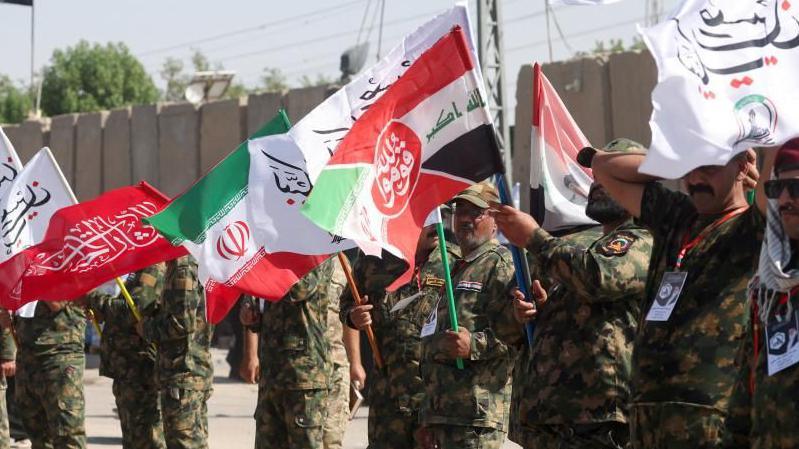
Image source: Reuters – The U.S. and Iran continue to exchange fire as negotiations stall.