In brief
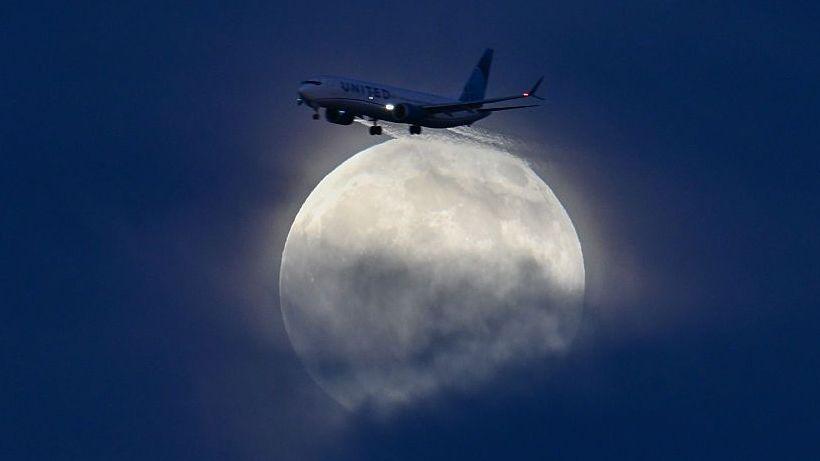
This weekend’s full Moon – the Hunter’s Moon – illuminated cities and countryside across continents. From the skyscrapers of Manhattan to the historic towers of Istanbul, photographers captured the luminous orb in stark contrast to urban lights. The name dates back to harvest seasons, providing hunters extra twilight after the Harvest Moon. The images reveal varying hues: white, yellow, orange, and even a subtle scarlet glow on low horizons, showing how atmospheric conditions shape the Moon’s appearance worldwide. Browse the gallery and join the discussion on how we experience celestial phenomena together.
October’s full Moon—known historically as the Hunter’s Moon—has mesmerised astronomers and casual stargazers alike as it illuminated skies around the world this weekend. This global event, which follows the Harvest Moon, has traditionally earned names that reflect the era’s activities, offering hunters extra twilight after the crops are harvested.
The bright, almost pure white orb can also take on warm tints. In New York City, the orange glow wrapped the statuesque skyline of Midtown as the moon rose behind towering skyscrapers. Across the Atlantic, Istanbul’s historic Galata Tower was bathed in a burnt‑orange light that highlighted its medieval arches.

In the UK, the Moon glowed over rural landscapes, the pastoral glow contrasting the hushed countryside. From Dorset’s Kimmeridge hills to the dramatic vaults of Stoney Middleton, the full moon appears differently on each corner of the globe, depending on local topography and atmospheric scattering.

In places where the Moon sits low on the horizon, light is scattered by the atmosphere, producing a soft orange or reddish shade. A striking example can be seen in Italy’s Molfetta, where the moon crests behind a blooming basilica, its rim glowing like a giant candle.

Similarly, in Istanbul, the moon’s orange hue creates a dramatic backdrop for the Galata Tower, echoing the city’s deep historical roots. Across the globe, each viewer experiences a unique version of the Hunter’s Moon, a reminder of our shared sky.
Share your own photos and join the discussion using #HuntersMoon2026.