In brief
Luiz Inácio Lula da Silva, once a workers’ union leader and later a convicted prison inmate, has returned to the Brazilian presidency after a dramatic 2024 election defeat. During his first two terms (2003‑2010) he rolled out sweeping social programmes that lifted tens of millions out of poverty. While facing a harsh backlash over the Petrobras corruption scandal and spending years in prison, Lula was unshackled in 2019 and won re‑election in 2022 and again in 2024. His current tenure focuses on Amazon conservation, navigating trade tensions with the United States, and maintaining Brazil’s partnership in the BRICS bloc. Despite criticism and divided politics, Lula remains a formidable figure in Latin America’s evolving political landscape.
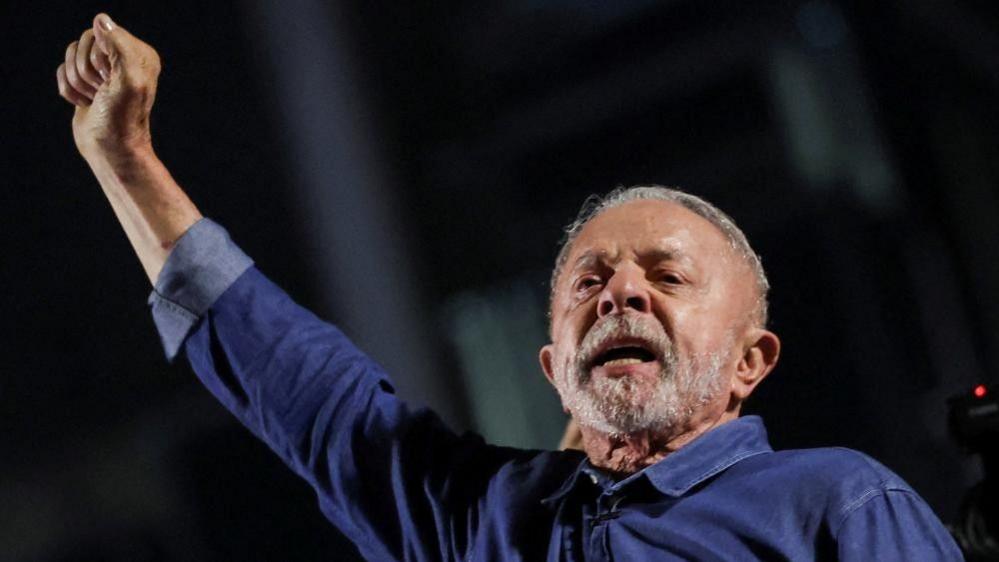
The 80‑year‑old former television actor, union activist, and once‑imprisoned leader has realised the impossible: within three weeks after a chaotic election run‑off, he returned to the Palácio do Planalto with a mandate that mirrors the rapid rise of his political career.
President Lula stretches his fisted right arm as he addresses supporters.
Early life: from peanut selling to trade‑union headlines
Born into an illiterate, poor peasant family, Lula worked as a peanut seller and shoe‑shiner before learning to read at ten. He earned a trade qualification as a metalworker in an industrial São Paulo suburb, where an accident severed his little finger. Faced with the stark realities of labour exploitation, he joined the workers’ union in 1975 and by 1978 was leading the gigantic Metalworkers’ Union. His influence grew when he helped found the Workers’ Party (PT) in 1980, turning Brazil’s politically compliant unions into a vigorous independent movement.
First presidency (2003‑2010): social programmes and economic boom
When Lula was elected in 2002, he became Brazil’s first left‑wing president for half a century. He poured billions into the Bolsa Família cash‑transfers program and raised the minimum wage beyond the rate of inflation. Those reforms lifted 44 million people out of poverty and cemented a brand‑new base of popular support. Under his rule, Brazil enjoyed the longest period of economic growth in three decades and earned a seat on the world stage with a track record of self‑confidence and outward‑looking diplomacy.
The corruption fall‑out: imprisonment and comeback
In 2017, the “Operation Car Wash” investigation led to Lula’s conviction on corruption and money‑laundering charges; he was sentenced to 12 years in prison, serving 18 months before a Supreme Court ruling declared his incarceration illegal. After his release, all convictions were annulled in 2021, clearing the way for him to stand in the 2022 presidential race against Jair Bolsonaro. He won by a decisive margin and took office again in 2023, promising it would be his final term.
Current challenges: divided nation, trade tariffs, and environmental politics
In 2024, Lula faces a profoundly divided electorate and a congress that often contests his agenda. He has continued to support Amazon rainforest protection, yet his government’s approval of exploratory oil drilling near the Amazon’s mouth drew criticism from environmental groups. Likewise, his administration’s reliance on Russian oil—despite the war in Ukraine—has drawn international scrutiny. Bilaterally, he has clashed with U.S. President Donald Trump over trade tariffs, though the 2025 White‑House meeting offered a moment of diplomatic warmth.
Brazil‑Russia–China ties in a globalised agenda
Lula argues that the permanent‑member veto power at the UN Security Council amplifies a post‑war imbalance, and he has championed the BRICS bloc as a counterweight to Western dominance. His sustained purchase of Russian oil, even as Russia wages war in Ukraine, underscores his willingness to keep Brazil a key global intermediary in energy markets.
If history is any guide, Lula’s most recent term will be defined by his attempt to bridge a fractured nation (and lawmakers) while adjusting Brazil’s allegiances in the shifting geopolitics of 2026. The world watches closely as he tells a tale that began with a peanut seller and is now an enduring chapter in Latin American history.