In brief
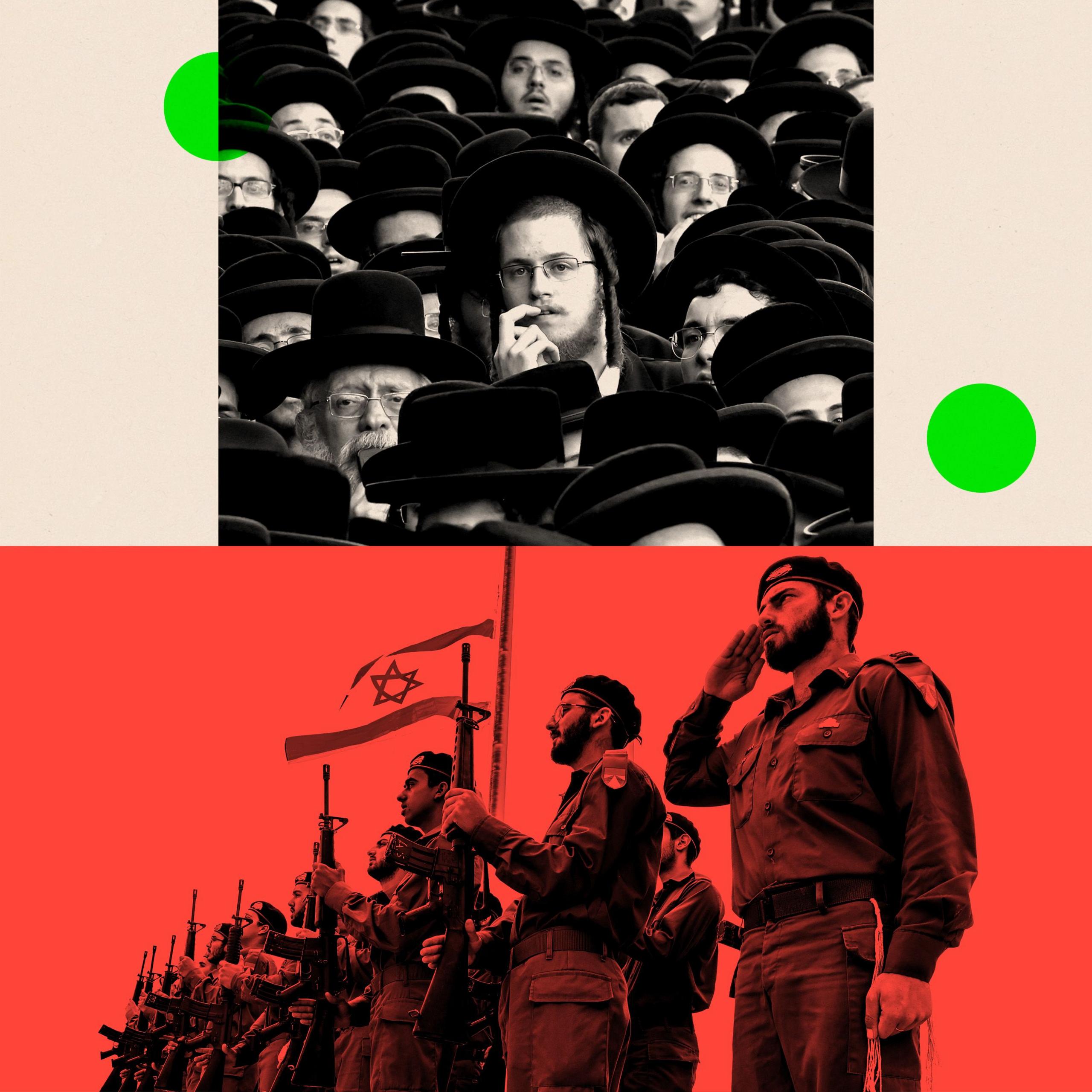
In early October, hundreds of ultra‑Orthodox Israelis in Modi'in staged a clash with military police after a young man refused to report for draft—sparking a wave of demonstrations across the country. The protests illuminate a deep societal fault line: a rapidly growing Haredi population that has long enjoyed exemptions from conscription at a cost of an estimated 35 bn shekels per year to the state. Politically the divide is pivotal for the upcoming elections, where Netanyahu’s coalition depends on Haredi support while rivals demand the draft be enforced. A new Haredi party is emerging with a compromise platform, but questions remain whether it can shift the traditional allegiance of the community. The outcome of this debate could shape Israel’s security, economy and the balance of power in the Knesset.
The flare‑up in Modi'in
In the town of Modi'in, between Jerusalem and Tel Aviv, hundreds of ultra‑Orthodox men in white shirts and black fedoras confronted Israeli military police over a failed draft registration. The clash—captured by the BBC—highlights an escalating friction that has spread across the country.
A generation on the brink
Today the Haredi community accounts for roughly 14% of Israel’s population and is projected to reach a third of the Jewish demographic by 2050, thanks to a birth rate far above the national average. Their continued exemption from conscription, costing the state about 35 bn shekels a year, is increasingly called into question amid ongoing wars and the refugee crisis in Gaza.
Political fallout
The pending elections place the Haredi parties—United Torah Judaism and Shas—at a decisive bargaining position. Net…