In brief
India's government is intensifying its campaign against dissenting voices, arresting academics and journalists critical of its military actions against Pakistan. This reflects a growing sensitivity to political repercussions from the recent conflict, underlining concerns for free speech and minority rights.
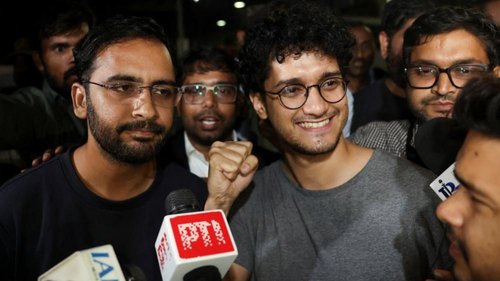
India is facing escalating tensions as it suppresses dissenting views linked to its recent military engagements with Pakistan. The arrest of political science professor Ali Khan Mahmudabad in New Delhi marks a significant move by the government to stifle criticism surrounding this latest conflict. Mahmudabad, who publicly condemned calls for warfare after recent violence that killed 26 people—predominantly Hindu tourists—becomes a symbol of the government's intolerance for divergent opinions.Under Prime Minister Narendra Modi's administration, there’s a pattern of targeting dissidents through criminal charges, investigations, and imposed travel restrictions. Mahmudabad, well-known for his advocacy of measured discourse, attracted the government's scrutiny after denouncing the "blind bloodlust for war," urging restraint amid heightened nationalist sentiments. The conflict was ignited following a tragic incident in the Kashmir region on April 22, where the deaths of tourists fueled nationalistic fervor for retaliation. While Mahmudabad expressed solidarity with the armed forces, his simultaneous call for reflection on minority rights and peace has drawn scorn from those in power.His arrest on charges of threatening India's sovereignty, based on a complaint lodged the night prior by a Haryana resident, comes as a stark indicator of the precarious state of free speech in the country. As the incident unfolds, it raises critical questions about the balance between national security and individual liberties in a nation grappling with communal strife.