In brief
The 18th‑century Jantar Mantar, long a venue for chants and civil‑action, has been stripped of its protest licence after a wave of Gen‑Z‑led demonstrations. Delhi Police now direct dissent to distant venues, raising concerns about accessibility and free‑speech. Legal challenges loom as opposition leaders vow to reclaim the space. The site’s history—from Boat Club gatherings to mass slogans—underscores its symbolic weight in India’s democratic fabric.
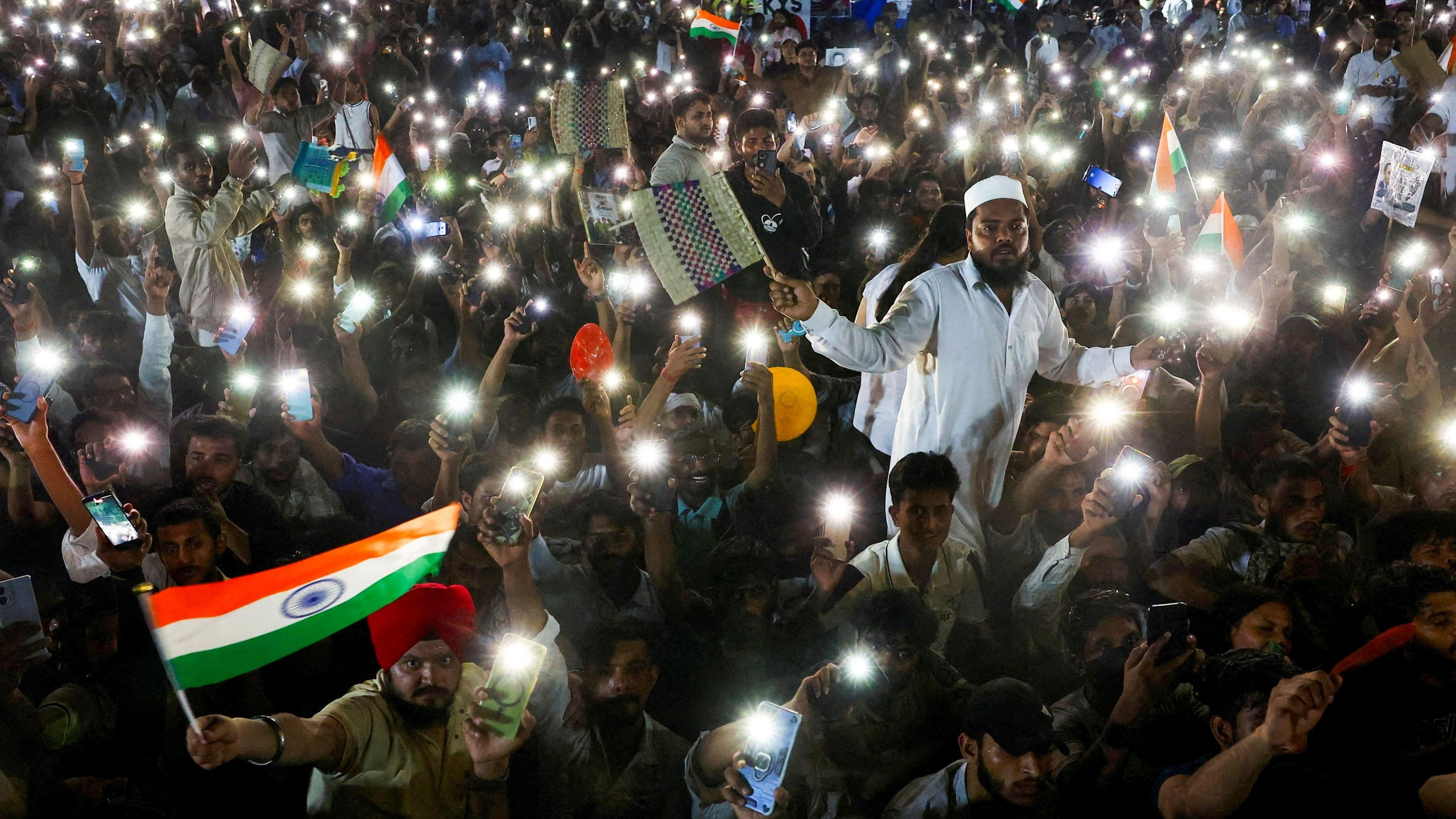
Thousands of slogans rang out on the open‑air lawn beside the 18th‑century Jantar Mantar this week, but the spectacle may be the last echo of the site’s protest legacy.
Police Order Ends Protest Status
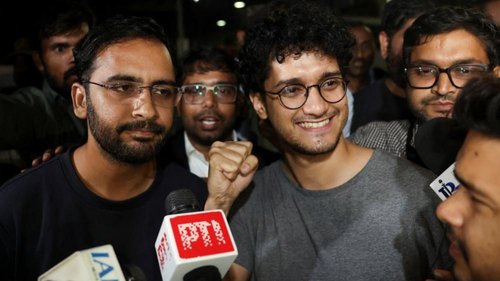
On Friday Delhi Police announced that Jantar Mantar will no longer be a designated protest site. The decision follows a month‑long surge of rallies by the Gen‑Z‑led Cockroach Janta Party (CJP), a satirical collective that staged a hunger strike demanding the resignation of Education Minister Dharmendra Pradhan. The protest drew tens of thousands and ultimately forced the minister’s resignation, only for authorities to lock the road with barricades and batons afterward.
New Spaces, New Costs
Protesters are now being directed to three alternative locations—two far from Parliament and a third, the popular Ramlila Ground, that requires a daily fee of several thousand rupees. Unlike Jantar Mantar, which was free to use, the new sites impose financial barriers that critics say will silence the very voices that once found a microphone there.
Supreme Court, Civil‑Rights Groups Raise Alarm
The move follows a Supreme Court recommendation to identify “adequate infrastructure” elsewhere, but civil‑rights advocates argue that distance and cost dismantle the constitutional right to peaceful assembly. The court has already overturned a 2017 order that shut Jantar Mantar, citing freedom of expression protections.
From Tradition to Trademark
Jantar Mantar’s protest pedigree stretches back to 1993, when the Lok Sabha lawn was closed to dissenters. Its tree‑shaded road now carries memories of the 2008 Bhopal‑gas‑leak ʼJusticeʼ Campaign, the 2015 retired‑soldier pension walk, and the 2006 hunger strike by Medha Patkar. The proximity—just 3 km from Parliament—reminded activists that “if you stand near the president’s house, the power cannot ignore you,” one protester recalled.
Opposition Voices and the Future of Civic Space
Opposition leaders like Rahul Gandhi and CJP spokespeople have declared that Jantar Mantar “belongs to the people” and will be reclaimed. Meanwhile, the site remains eerily quiet, a silent witness to the shifting balance between state control and civil activism. Legal challenges are underway, and the debate over the next chapter of India’s protest culture continues to intensify.