HARRISBURG, Pa. (AP) — A judge cleared the way Thursday for the potential release of Subramanyam Vedam, an Indian citizen who was taken into Immigration and Customs Enforcement custody last year after his Pennsylvania murder conviction was overturned following four decades in prison.
The decision came after a four-hour hearing in which Vedam insisted he did not fatally shoot Thomas Kinser in 1980 and was questioned by a Department of Homeland Security lawyer. Vedam participated in the hearing remotely from the Moshannon Valley Processing Center in Philipsburg, Pennsylvania.
“I was young and stupid and did a lot of dumb things back then,” Vedam stated. The federal government aims to deport the 64-year-old, who left India as an infant in 1962.
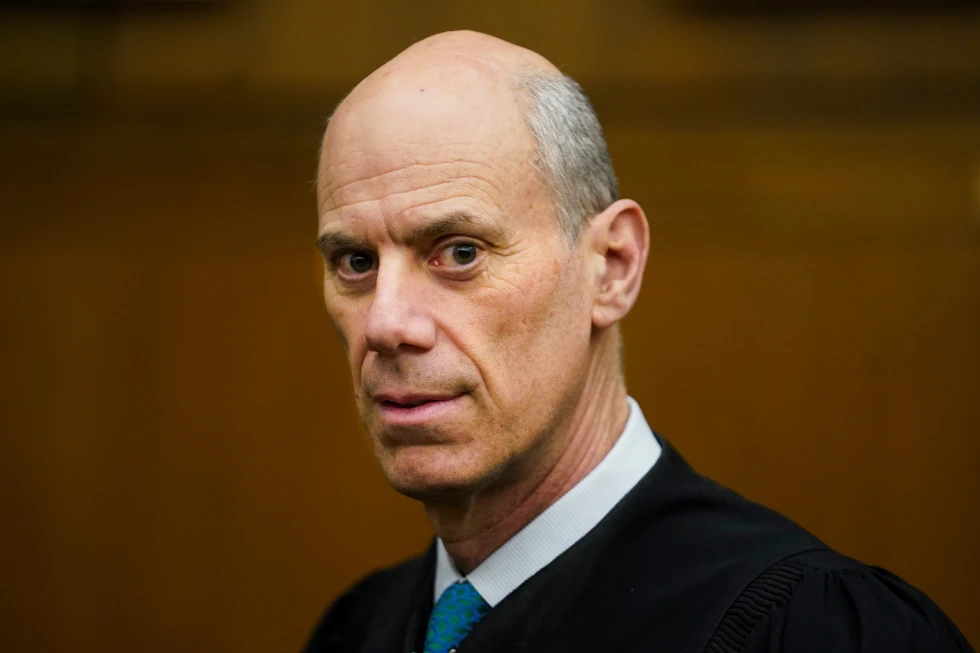
U.S. Immigration Judge Adam Panopoulos acknowledged Vedam's genuine rehabilitation and lack of danger to the public, citing his efforts to improve literacy among inmates and his close family ties, including to nieces who have never known him as a free man.
Vedam “has grown as a person” and “began to dedicate himself to enriching other people’s lives and ultimately his own through academic study and enrichment,” emphasized the judge.
However, a DHS lawyer noted Vedam could still face deportation due to unrelated drug distribution convictions. Known as Subu, Vedam was born in Mumbai, India, and immigrated to the United States at 9 months old, growing up in State College, Pennsylvania, where his father was a physics professor. He was a legal permanent resident and was near achieving naturalization when arrested.
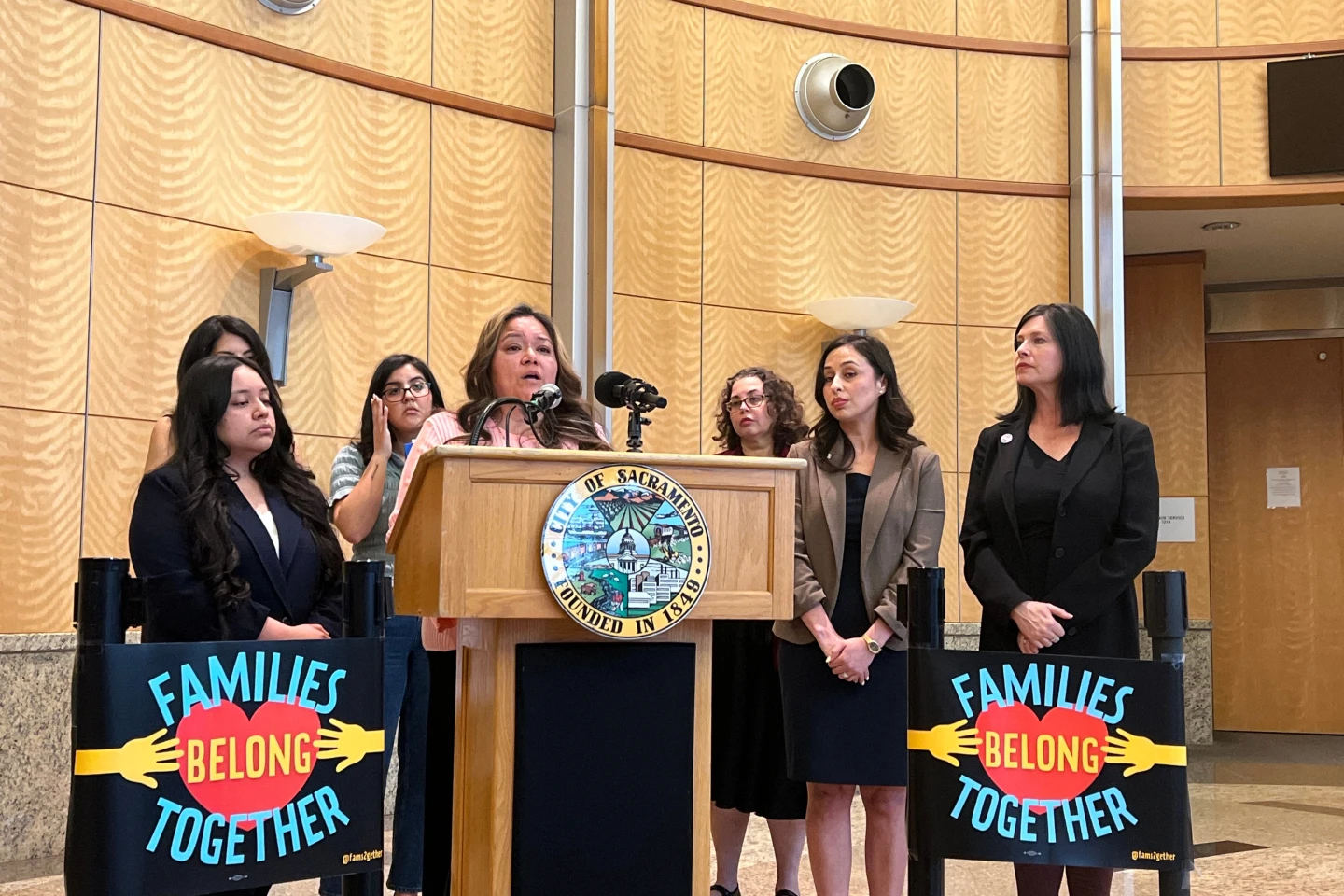
The Department of Homeland Security has a month to appeal the decision, while Vedam's attorney plans to seek his release on bond. His lawyer indicated Vedam hopes to reside with a relative in Sacramento, California, and has received an offer to join a doctoral program at Oregon State University.
The State College prosecutor declined to retry Vedam after a judge ruled that relevant ballistics evidence had not been disclosed during his earlier trials. Vedam was nearly freed last October when ICE agents took him into custody.
Despite his exoneration of murder charges, Vedam's no-contest pleas to drug distribution raise complications for his immigration status. During the hearing, DHS lawyer Tammy Dusharm pressed Vedam about other arrests, including DUIs and thefts, arguing against his right to remain in the country.
This case highlights significant legal debates surrounding wrongful convictions, the complexities of immigration laws, and the broader conversation about the effectiveness of rehabilitation versus continued punishment. The impact of his potential release extends beyond Vedam himself, opening critical discussions on justice and reform in the U.S.
The decision came after a four-hour hearing in which Vedam insisted he did not fatally shoot Thomas Kinser in 1980 and was questioned by a Department of Homeland Security lawyer. Vedam participated in the hearing remotely from the Moshannon Valley Processing Center in Philipsburg, Pennsylvania.
“I was young and stupid and did a lot of dumb things back then,” Vedam stated. The federal government aims to deport the 64-year-old, who left India as an infant in 1962.
U.S. Immigration Judge Adam Panopoulos acknowledged Vedam's genuine rehabilitation and lack of danger to the public, citing his efforts to improve literacy among inmates and his close family ties, including to nieces who have never known him as a free man.
Vedam “has grown as a person” and “began to dedicate himself to enriching other people’s lives and ultimately his own through academic study and enrichment,” emphasized the judge.
However, a DHS lawyer noted Vedam could still face deportation due to unrelated drug distribution convictions. Known as Subu, Vedam was born in Mumbai, India, and immigrated to the United States at 9 months old, growing up in State College, Pennsylvania, where his father was a physics professor. He was a legal permanent resident and was near achieving naturalization when arrested.
The Department of Homeland Security has a month to appeal the decision, while Vedam's attorney plans to seek his release on bond. His lawyer indicated Vedam hopes to reside with a relative in Sacramento, California, and has received an offer to join a doctoral program at Oregon State University.
The State College prosecutor declined to retry Vedam after a judge ruled that relevant ballistics evidence had not been disclosed during his earlier trials. Vedam was nearly freed last October when ICE agents took him into custody.
Despite his exoneration of murder charges, Vedam's no-contest pleas to drug distribution raise complications for his immigration status. During the hearing, DHS lawyer Tammy Dusharm pressed Vedam about other arrests, including DUIs and thefts, arguing against his right to remain in the country.
This case highlights significant legal debates surrounding wrongful convictions, the complexities of immigration laws, and the broader conversation about the effectiveness of rehabilitation versus continued punishment. The impact of his potential release extends beyond Vedam himself, opening critical discussions on justice and reform in the U.S.