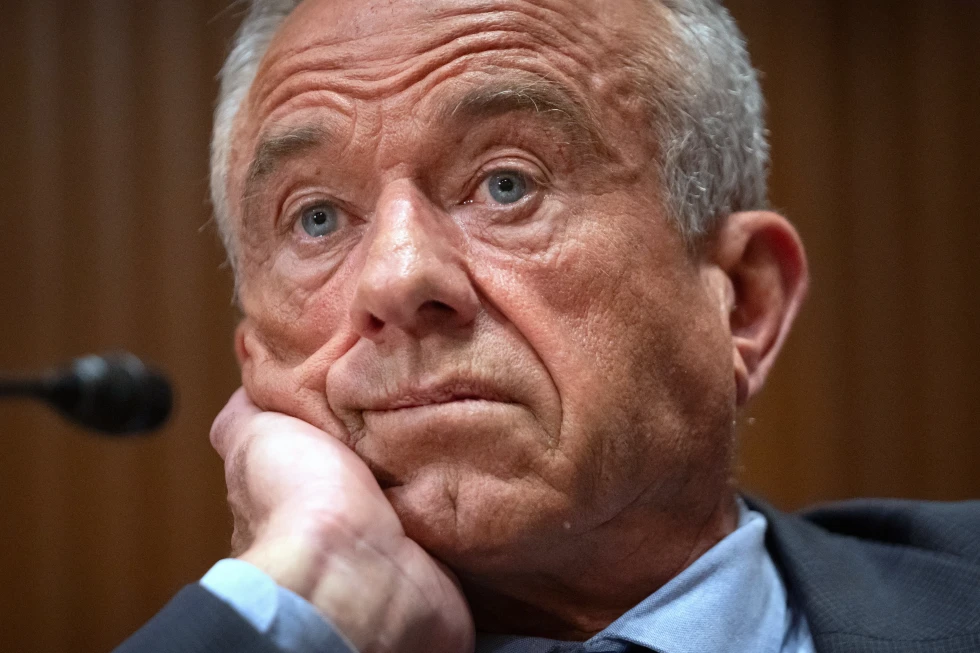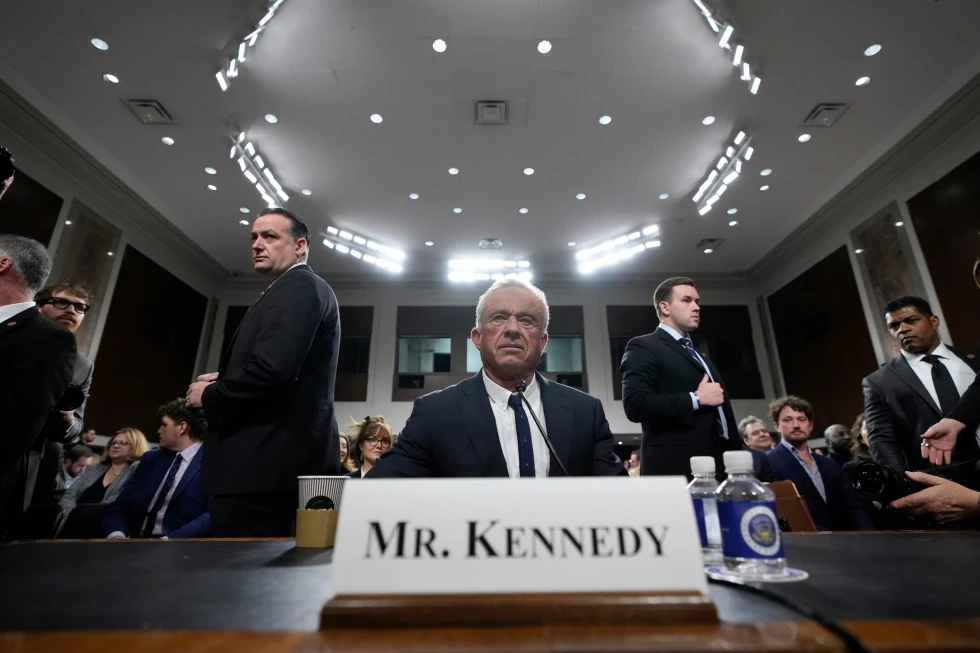
NEW YORK — Since Robert F. Kennedy Jr. was sworn in as the leader of the U.S. Department of Health and Human Services a year ago, he has made significant assertions about overhauling federal health policy, claiming these changes will restore trust in the country's public health agencies. However, as a prominent advocate of the anti-vaccine movement, his alterations to immunization guidance have escalated tensions with leading medical organizations.
Many critics argue that Kennedy does not adhere to established scientific consensus, contributing to confusion during a time of wavering trust caused by the COVID-19 pandemic. Public opinion surveys reveal that confidence in agencies like the CDC and FDA has continued to decline amid these controversies.
Kennedy's approach aims to increase transparency, allowing Americans the freedom to make informed health choices, yet health professionals assert this dissemination of unverified information risks sparking a rise in diseases due to reduced vaccination rates.
Historically, public trust in health agencies was high, but that sentiment began deteriorating significantly during the COVID-19 crisis, with reports indicating a drop in favorable opinions regarding the CDC, which only 31% of Americans felt were doing a good job by last year.
The fallout from Kennedy's remarks and policies is stark. Skeptics of his leadership point out the hypocritical nature of his actions, having fueled vaccine distrust in the past, now being tasked with rebuilding faith in public health. Additionally, surveys conducted over the last year show nearly half of Americans express diminished trust in health agencies compared to prior years.
Kennedy's controversial decisions have included rolling back vaccine recommendations, igniting alarm within medical communities. In a striking shift, he directed the CDC to abandon its prior stance that vaccines do not cause autism without providing supportive evidence, prompting widespread concern among health experts. Some states have even begun forming their own coalitions to counteract what they perceive as misguided health guidance.
As the U.S. faces the prospect of rising vaccine-preventable diseases, experts worry that misinformation coupled with Kennedy's leadership could threaten public health and safety decisively. His claim that the public should independently assess health decisions further complicates the already fragmented narrative surrounding vaccines.
While Kennedy remains committed to his vision of transparency and accountability within health agencies, many public health officials and communities are left grappling with growing distrust and confusion, underscoring the urgent need for clear, consistent public health messaging in America.