In Kerala, a state known for its high share of elderly residents, the government has launched a dedicated Department of Elderly Welfare to prevent older people from aging alone.
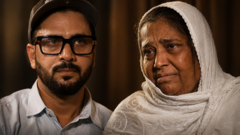
The story of 70‑year‑old TO Dominic and his wife Martha illustrates the day‑to‑day reality: their two sons live abroad and can only offer phone calls for comfort. When the couple needs physical help at home, no family member can be there.
Kerala’s demographic profile—shaped by longer life expectancy, lower birth rates and outward migration—means many seniors are left behind, a trend that is becoming more pronounced across the state.
To address these challenges, the new department focuses on “ageing in place”; expanding home‑based and community care, introducing social prescribing, training certified caregivers and building public senior parks, day‑care and fitness centres.
Officials stress the programme will integrate the state’s existing welfare schemes—pensions, the Vayomithram palliative care system and others—into a single coordinated mechanism that spans health, housing, transport, employment and technology.
The budget for the first year is 100 million rupees (about 1 million dollars), a figure some experts describe as symbolic. The department uses the money to build coordination capacity, pilot projects and data systems for long‑term planning.
Beyond public funding, gaps still exist in private senior care, with regulators noting a lack of uniform standards. Studies suggest that a trusted, regulated market for quality senior facilities would complement public initiatives.
For seniors like Dominic, the most pressing need is local help that can physically arrive when required, rather than distant phone calls alone.
Expert voices highlight the importance of volunteer networks and examples from countries such as Sweden, where community support keeps older adults active and connected.
The department will conduct a statewide survey of senior citizens to inform a comprehensive Silver Economy roadmap, aiming to ensure no elder in Kerala feels invisible or abandoned, regardless of where their children live.