Nigeria evacuates citizens from South Africa amid rising anti‑migrant sentiment
By Mayeni Jones and Makuochi Okafor, BBC Africa Correspondent, Johannesburg
Afro‑policymaker Alan Bilit, Nigeria’s repatriation specialist, smoothed the historic return of 268 Nigerians who departed Johannesburg in the morning for Lagos on a scheduled flight. It is part of an effort that has seen roughly 1,000 Nigerian citizens sign up for return as anti‑migrant sentiment swells across the country.
The surge in xenophobic protest is linked to tightening unemployment—over 30 per cent in South Africa—and mass demonstrations alleging that migrants use up jobs, healthcare and education services. In the last weeks, isolated attacks have left multiple migrants wounded and at least two Mozambican men killed in the Western Cape.
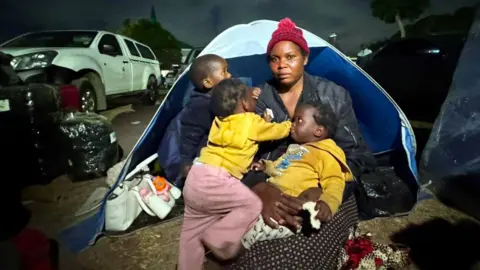
A refugee’s voice—Justin, a Nigerian who had lived in South Africa since 1998—explained his flight as a “personal safety move” after repeated threats. “They say we must leave by 30 June. I am not safe,” he recounted, citing incidents such as a taxi assault that forced him to abandon his belongings.
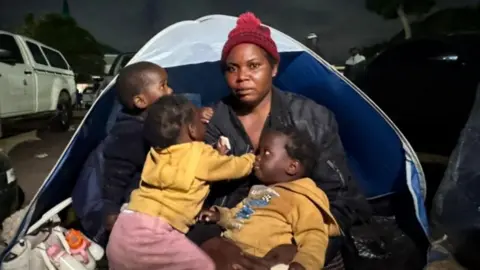
Personal impact—hairdresser Chinwe Osuala, mother of three, gave testimony of a violent attack at her shop and expressed anxiety over children’s future safety. While she expressed sadness at leaving friends behind, she emphasized the wellbeing of her family as her main motive for returning to Nigeria.
Nigeria’s done a finite task of providing initial financial help—over 100,000 naira plus mobile credit—to scattered evacuees, and plans to transport them across the nation’s 36 states through its emergency management agency.
The move comes amid a broader debate about migration and entitlement. Nigerian Consul General Yinikanwa Okey‑Uche stressed that less than 10 per cent of South Africa’s population is made up of migrants and that the local challenges are not “explainable by migration.” Meanwhile, South African authorities noted that only papers were missing for many passengers, leading to undocumented status and potential deportation.
In the wake of rising incidents, President Cyril Ramaphosa ordered stricter enforcement on illegal migrants. Measures include jailing employers that hire undocumented workers, dedicated courts for deportation and a biometric database to counter identity theft. Importantly, officials urged citizens not to respond to suspected migrants with vigilantism.
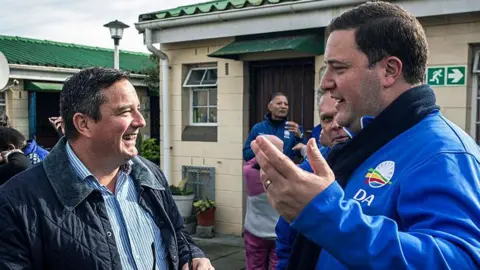
Beyond policy, the wave of xenophobic tension has political reverberations. South Africa is slated to hold local elections in November, with migration policy expected to be a key electoral issue. Prominent political leaders have begged for justice while calling for arrests of those propagating attacks, hinting towards potential career implications for supporters of the agitators.
For a deeper view of the causes and consequences, the BBC Africa team encourages readers to engage with related stories about repatriation and migration policy across the continent.