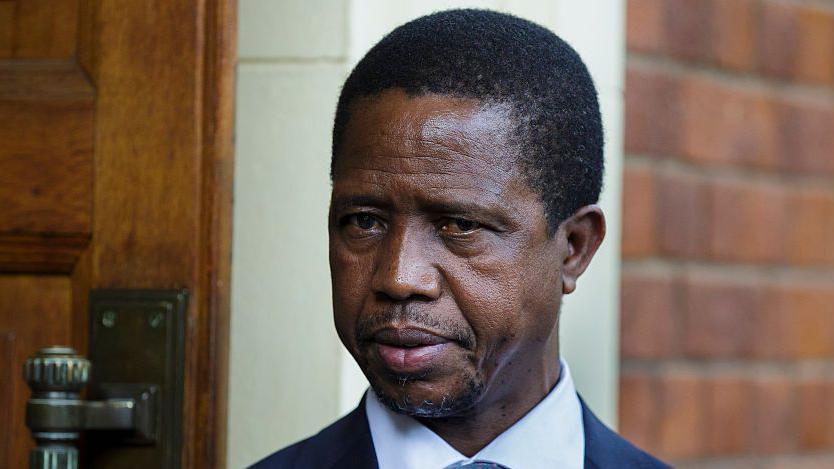
Zambian Court Rules Ex‑President Lungu’s Family Wins Burial Battle
More than a year after former President Edgar Lungu’s death, his family have won a final appeal that will see his body buried in South Africa where he died. The Supreme Court of Appeal’s ruling reverses a previous high court decision that had allowed the Zambian government to repatriate the corpse for a state funeral in the capital.
Background
Lungu, who led Zambia from 2015 to 2021, died of an undisclosed illness at a Pretoria clinic at age 68. After his passing, the government and Lungu’s political party issued conflicting statements, creating confusion about mourning procedures. A key point of contention was whether the deceased would receive a public state funeral in Zambia or a private burial elsewhere.
Court Ruling
The South African high court first ruled that Zambia could repatriate Lungu’s body and hold a state funeral, a decision that upset family members who had requested a private burial. The family appealed, and after a brief period when the body was “formally transferred” to the Zambian state, the same court ordered the return of the body to the family for final redress. The Supreme Court of Appeal’s latest judgment confirms that the burial should remain in South Africa, respecting the deceased’s stated wishes and respecting the family’s desires.
Government Reaction
While the Zambian government disagrees with the decision, it has stated that it will not pursue the matter further. The government had argued that conferring a state funeral would honour former heads of state and sought to bury Lungu alongside predecessors in Lusaka’s presidential burial ground. The ruling highlights a persistent rift between the ex‑president’s family and President Hakainde Hichilema, who has described the burial debate as a continuation of political conflict.
Broader Implications
Lungu’s case underscores how political legacies and personal wishes can clash over public commemorations of former leaders. The decision may influence future debates on handling former leaders’ remains across the African continent, with courts playing a critical role in balancing state honour with family rights.