In the town of Bunia, the epicentre of the Bundibugyo Ebola outbreak, the Nyamurongo cemetery is busier than usual. Families arrive for burials, but deposit a dead body into a leak‑proof bag and then into a coffin with one transparent panel so mourners can see the deceased while adhering to strict infection‑control protocols.
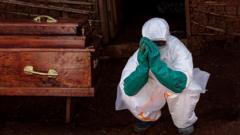
Àlaor Joel Lonza Makumbu has buried his father the day before he buried his mother and is now visited by other families in the same coffin‑bag system. “Ebola is real,” he says, trying to convince people that the virus is serious despite fears that his own clan may keep arriving for further burials.
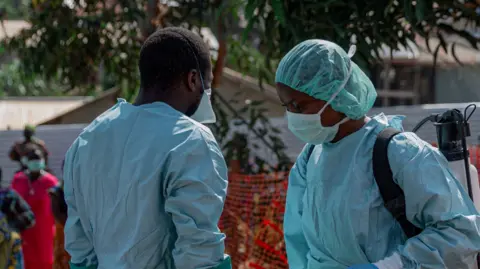
The cultural norm in Ituri is to dress a dead person in fine clothing and allow a multi‑day funeral. WHO anthropologist Julienne Anoko explains that people often wish to wash the body or perform other rites before burial, but Ebola protocols require immediate containment of bodily fluids. The research team talks with families and shows that funerals can still honour the dead while protecting the community, and that transparent coffin panels satisfy the desire for closure.
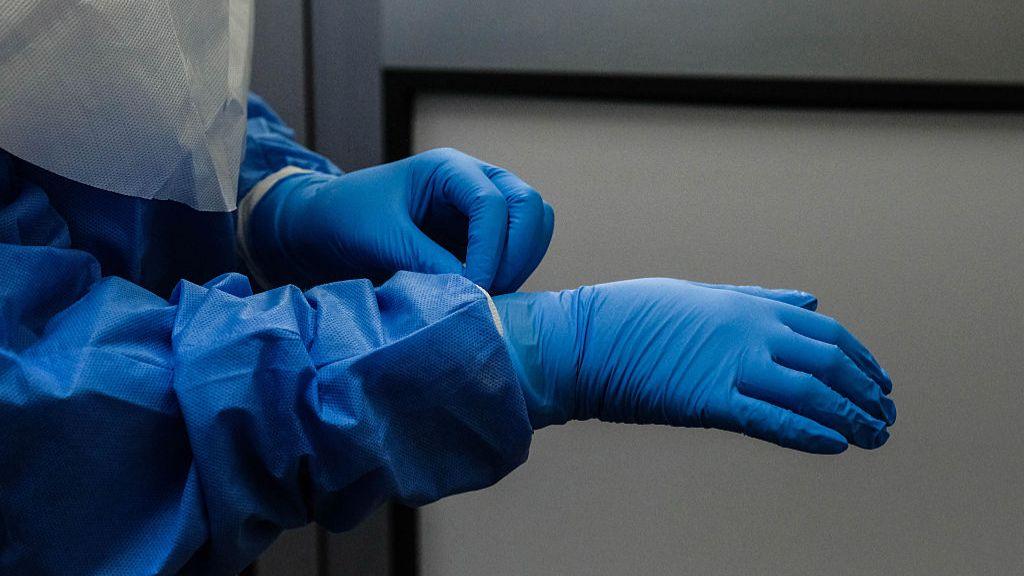
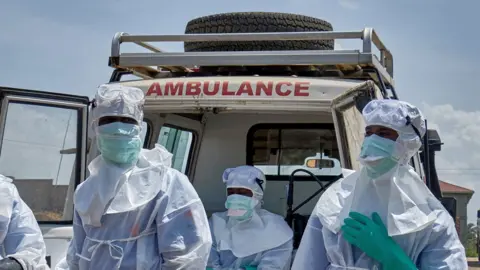
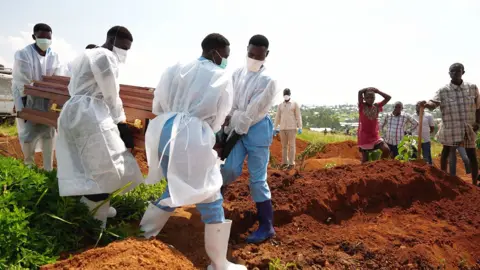
Volunteers from the International Federation of the Red Cross and Red Crescent (IFRC) work in full personal protective equipment to pull coffins from a tent that acts as a temporary morgue and transport them to a dedicated truck. The IFRC team then de‑contaminates the route and leaves the cemetery to cover the grave with soil.
Negotiating burial of pregnant victims presents complex challenges, because community traditions say pregnant women should not go to the afterlife carrying a fetus. Anoko notes that the safest approach for a pregnant victim is to remove the fetus before burial—this reduces exposure to viral fluids and aligns with ancestral guidelines, an example of science and tradition working together.
Despite the complications, Gravediggers and IFRC volunteers report confidence that new burial procedures are gradually accepted. The collaboration emphasises that transparency, listening, and respect for cultural values are essential for successful disease control in the midst of sensitive mourning practices.