Ebola in DR Congo: Falling Numbers Yet Complex Threats
Recent updates from the Democratic Republic of Congo show a lower count of confirmed Ebola cases – roughly 380 – and about 60 deaths, alongside 15 cases and a death in neighboring Uganda. Earlier figures had inflated the situation, with over 1,000 suspected cases and 250 suspected deaths. The key difference lies in the shift from suspected to confirmed cases, reflecting improved laboratory testing that has ruled out many fevers caused by malaria and other illnesses.
Nevertheless, epidemiological experts caution that a drop in numbers does not automatically imply a reduced threat. Containment depends on comprehensive contact tracing; currently only about 45% of people who have had contact with a patient are being monitored—a figure that WHO says must reach 90% to break the chain of transmission.
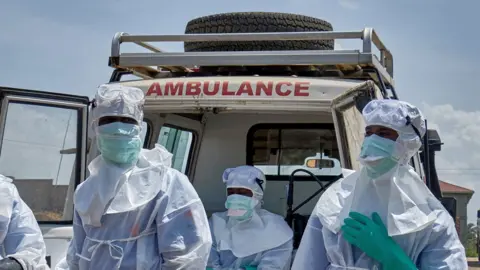
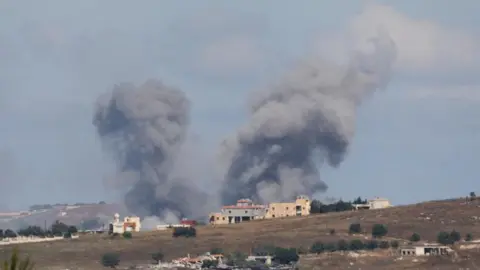
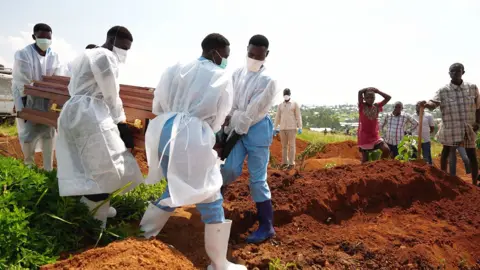
The outbreak, concentrated in the eastern provinces of South Kivu, Ituri, and North Kivu, takes place amid ongoing armed conflict. This conflict hampers movement, limits access to health services, and fuels mistrust. Recently, a burial team was attacked in South Kivu, forcing responders to abandon a coffining operation and heightening fears of further spread.
Epidemiologist Dr. Tedros Adhanom Ghebreyesus, WHO Director‑General, has described the outbreak as having a “big head start,” with response teams slowly catching up. He underscored the importance of community trust and reiterated that Ebola spreads only through direct contact with bodily fluids—an infection route distinct from airborne viruses like SARS‑CoV‑2.
The strain is the Bundibugyo species, a rare variant that appears only twice before. Ongoing research is pursuing vaccine candidates, but no proven vaccine or treatment currently exists for this type of Ebola virus.
Global risk remains comparatively low. The WHO rates the risk from Ebola in DR Congo as very high locally but low worldwide — primarily because the virus is not airborne and is largely confined to the region where it first emerged 50 years ago.
In the UK, officials have opted not to impose temperature checks for flights arriving from affected zones, citing limited effectiveness. During the 2014 West Africa outbreak, over 12,000 passengers were screened, yet the sole detected case was a nurse traveling from the region.
Key Takeaways
- Confirmed cases have fallen, but contact tracing remains insufficient.
- Conflict areas reduce health‑service reach and breed mistrust.
- No vaccine or proven treatment for Bundibugyo EVD; research ongoing.
- Ebola’s spread is limited to direct contact; global risk low.
Related Features
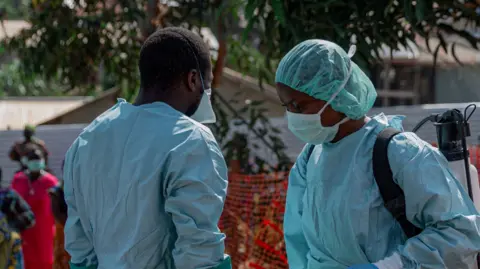
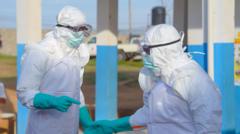
Learn how health workers in DR Congo are treating Ebola safely: Treatments and Safety Protocols.
Exploring why stopping the outbreak is challenging: Ebola Transmission Dynamics.
Vaccines in development: Ebola Vaccine Research.
Follow the story for updates on surveillance, community engagement, and international cooperation. The situation in DR Congo remains a focus for global health agencies.