In brief
Last week’s riot‑driven blaze gutted the 19th‑century city hall in Limoges, symbolising France’s widening political fault line. Mayor Guillaume Guérin, shaken by the destruction, blamed the radicals behind the chaos and reported two arrests linked to far‑left networks. Local residents, from flower‑carrying mourners to bereaved shopkeepers, see the blaze as a tragic loss of heritage, while protesters argue the fire reflects deeper economic grievances. The incident arrives as France faces a looming presidential election and a surge of demonstrations that may reshape national politics.
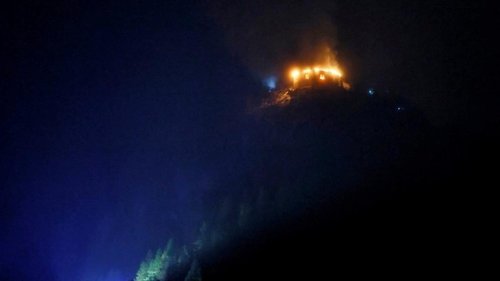
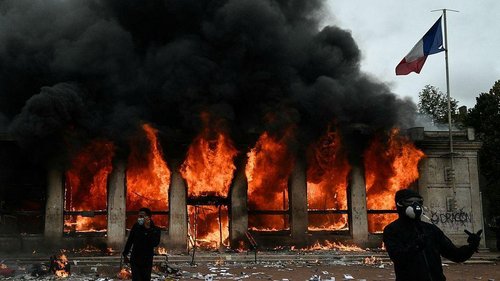
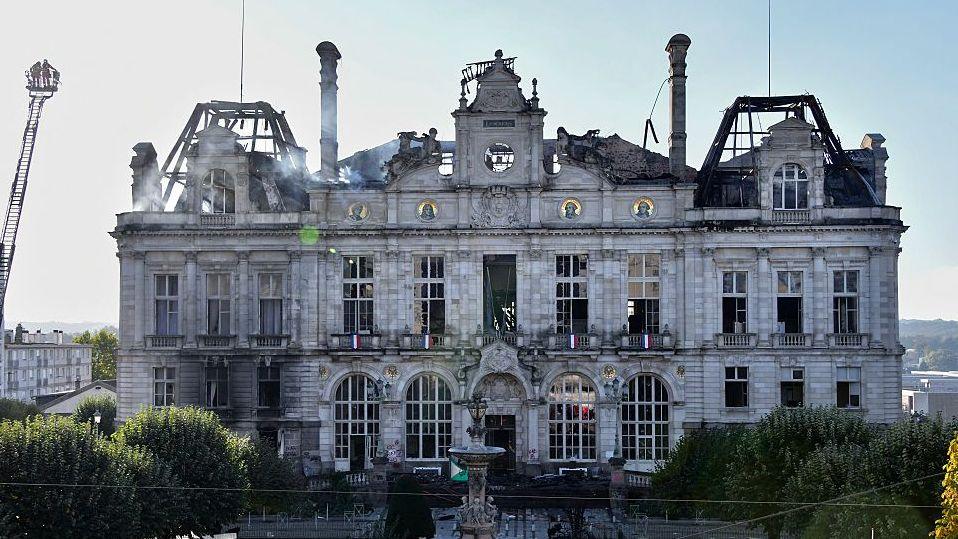
A 19th‑century city hall in Limoges, a historic centre of French labour, caught fire as riotous crowds set the wooden clock tower ablaze, leaving the building charred and its iconic façade heavily damaged.
Mayor Guillaume Guérin, who had been in office only six months, told reporters he was “shook to the core” by the spectacle. "It is a historical tragedy for France, not just Limoges," he said, condemning the violence as a betrayal of the people’s right to protest.
Police arrested two men – a 66‑year‑old and a 34‑year‑old – who the prosecution linked to radical‑left networks. The mayor claimed the fire was “supported by rioters” and that the government was cracking down on far‑left elements that fueled the unrest.
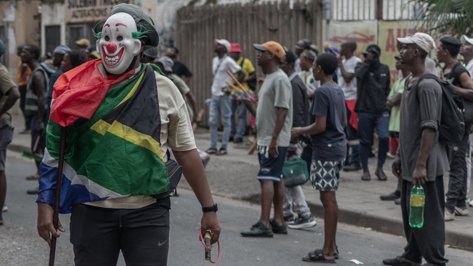
In the streets outside, mourners laid wreaths and flowers on the ruined steps, a stark contrast to the earlier energy of the demonstration, which had begun as a young‑people protest over high school neglect and escalated into a broader outcry over the high cost of living.
The blaze has already cost an estimated €500,000 in damages, according to police, but the real cost lies in a town’s fabric being torn apart. Local shopkeeper Jean Roger Faucher, whose family has sold fish there for generations, said the fire left his community stunned: “I got married in the town hall, so its destruction hits us personally.”
Not everyone agrees the fire was warranted. Young protester Jade, a 19‑year‑old medical student, argued that while the building’s destruction was tragic, it is not the hardest part of the protests. "I have to live on €300 a month, and the city’s not respecting us as young adults," she told reporters.
The event comes at a crucial moment when France’s political spectrum is split at an historically large fiscal deficit and upcoming presidential elections. Prime Minister Sébastien Lecornu visited Limoges after the fire and pledged increased police presence; curfews and limits on gatherings have been announced in the city centre.
International voices have also surfaced. Upp… (geopolitical). The French community and the government press the point that while dissent is a civic right, destruction that endangers the public is not tolerated.