In brief
The Lockerbie bombing trial has been put off again, following the discovery of previously unknown evidence. The defense and prosecution requested the adjournment, citing the need to review the material carefully. The judge agreed on a new start date in January, effectively delaying a verdict until next spring. This marks another chapter in a case that has unfolded over nearly four decades, with families and authorities alike awaiting a final resolution.
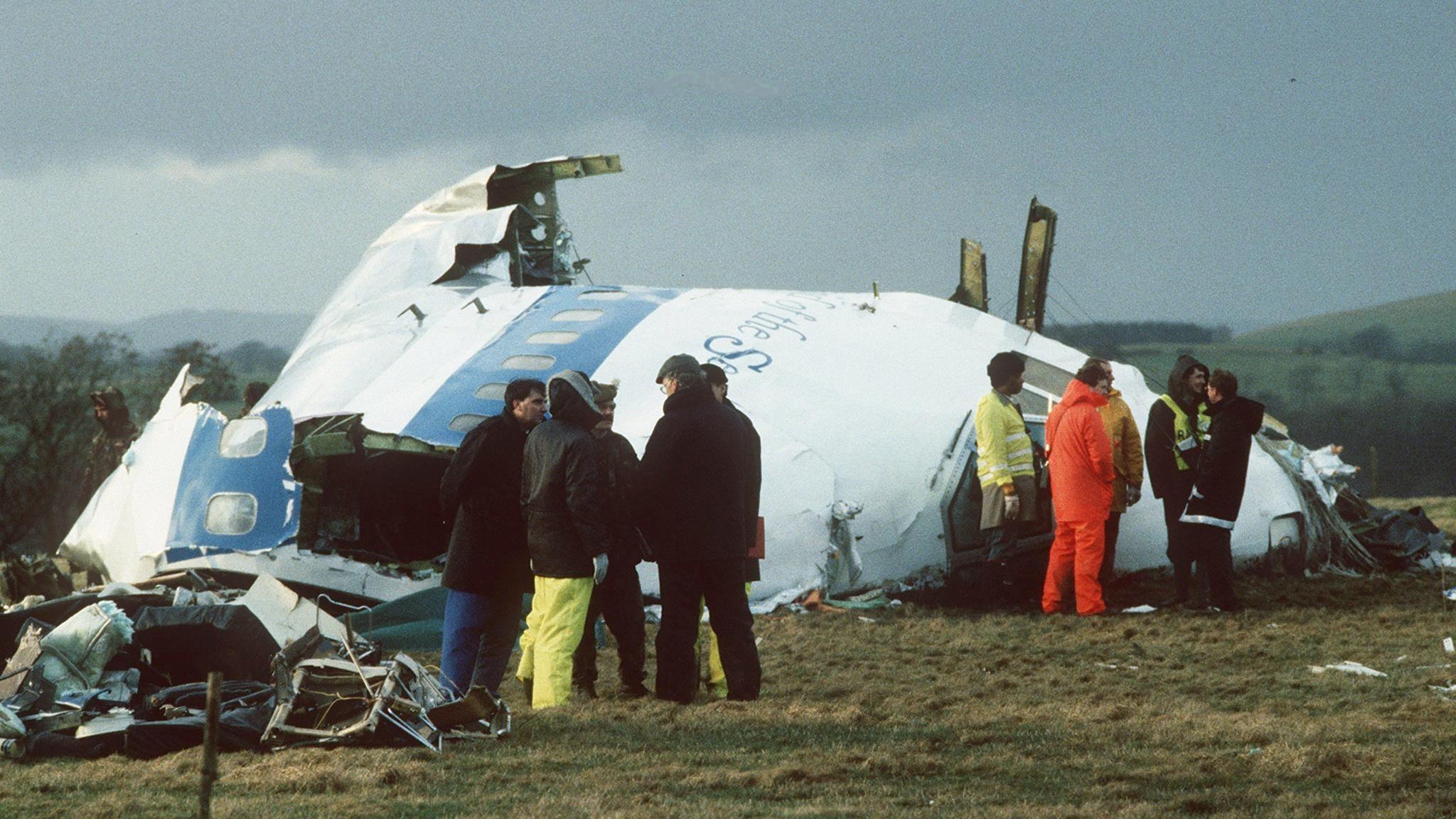
The trial of Abu Agila Mas’ud Kheir Al‑Marimi, the Libyan man charged with building the bomb that destroyed Pan Am Flight 103 on 21 December 1988, has been postponed for a third time. New evidence emerged on 21 August after a defence lawyer found material that had not been disclosed to the prosecution or the court.
Jury selection had been scheduled to begin in Washington DC this Wednesday, but the judge agreed to set a new start date for January next year after both sides requested the adjournment. The delay reflects the time‑consuming nature of assembling a case that covers a mass‑murder 37 years in the past.
The litigation has seen the US government, Scottish prosecutors and police cooperate for decades. The accused’s lawyers say the new evidence must be examined to uphold constitutional and ethical demands, while the prosecution maintains its charge is inevitable.
Victims’ families continue to hope the postponement will finally bring the truth to light. As the trial remains a key moment in the pursuit of justice, the next spring will see whether the evidence forces a verdict or triggers further delays.