In brief
Following a deadly attack on a Christmas market in Germany, political disagreements have surfaced, particularly around immigration and security issues. The incident has intensified focus on government accountability as a suspect, a Saudi refugee, remains in custody.
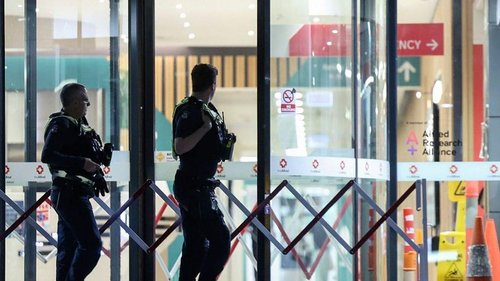
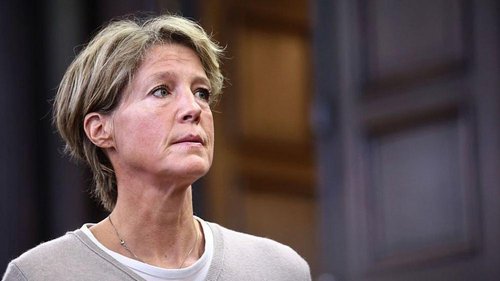
In the wake of a tragic attack at a Christmas market in Magdeburg, which resulted in the deaths of five individuals, including a young boy, the political landscape in Germany has become increasingly contentious. Authorities have detained a Saudi refugee, a 50-year-old doctor, believed to be behind the horrific incident. As the investigation unfolds, rival political factions are seizing the opportunity to launch criticisms against the government’s handling of immigration and security.Initially, there were calls for national unity and solidarity following the attack, which injured over 200 others. However, as the dust began to settle, the political ramifications quickly crystallized. Upcoming snap elections, set for February after a recent government collapse, have prompted swift reactions from various political groups eager to stake their claims on key issues.The hard-right Alternative for Germany (AfD) party has positioned itself prominently in this narrative by promoting a demonstration in Magdeburg. Alice Weidel, the party’s chancellor candidate, utilized the occasion to push for stringent immigration policies, arguing that uncontrolled migration was to blame for the tragedy. Her bold remarks reflect a growing trend of political leaders seeking to capitalize on public sentiment regarding immigration and national security.As details of the tragedy continue to emerge, including indications that authorities had prior warnings about the suspect's erratic behavior, demands for accountability are escalating. Critics are questioning why earlier alerts were overlooked, leading to further political infighting.This unfortunate incident not only underscores the ongoing struggles within German politics but also highlights the intricate relationship between national security, immigration policy, and public safety—an interplay set to dominate the political conversation as elections loom.