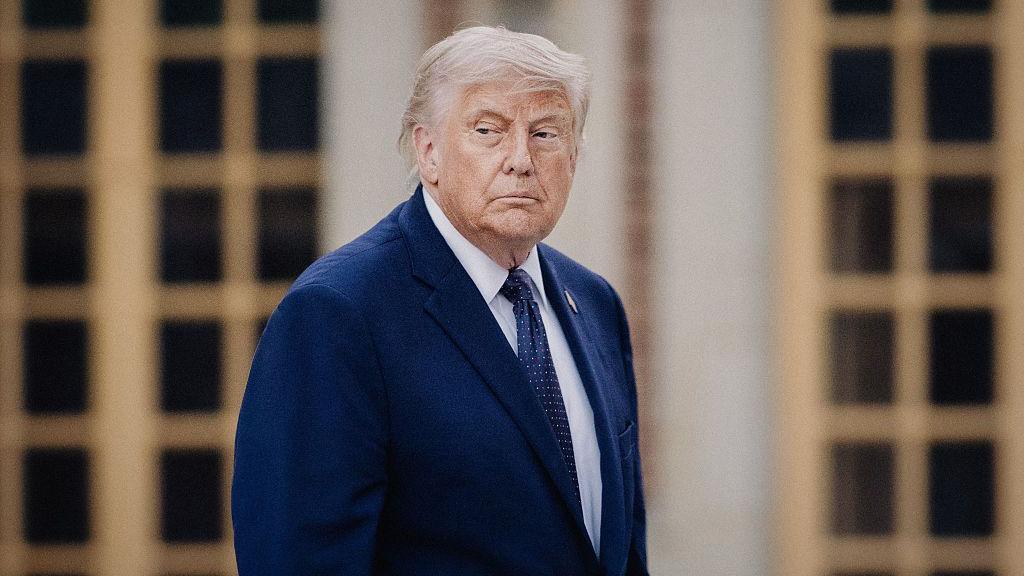
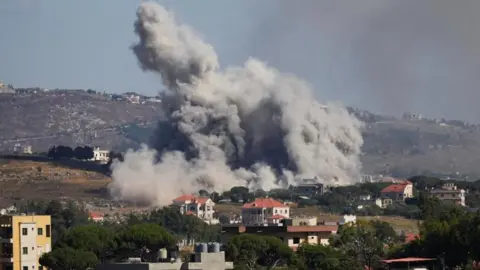
The Iran war requires a serious approach that does not change every day, Emmanuel Macron has said, in an apparent reference to US President Donald Trump's seemingly contradictory remarks about the conflict.
This is not a show. We are talking about war and peace and the lives of men and women, the French president told journalists upon arrival in South Korea for a state visit.
When you want to be serious you don't say every day the opposite of what you said the day before, Macron added.
And maybe you shouldn't be speaking every day. You should just let things quieten down.
Macron was responding to questions on the US-Israel conflict in Iran, which has now entered its second month. While France and other European nations have supported certain US operations in the region, they have been cautious about becoming directly involved.
Trump and his administration have offered mixed messages on the conflict, at times suggesting that a ceasefire was imminent, indicating that the war had been won, or stating that the US would continue its involvement.
In addition, Macron addressed concerns regarding Trump's recent comments about NATO, emphasizing the significance of trust within alliances. Alliances like NATO are valuable because of what is unspoken – meaning the trust behind them, he stated, warning that casting doubt on commitments can erode their credibility.
Macron further expressed his reluctance to comment on military actions deemed to be unilateral decisions made by the US and Israel, stating: They then lament that they are alone in an operation they decided on alone. It's not our operation. He emphasized the necessity of having international observers to monitor Iran's nuclear program and to create a framework for limiting its capabilities.
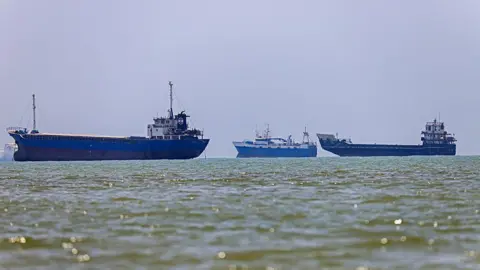
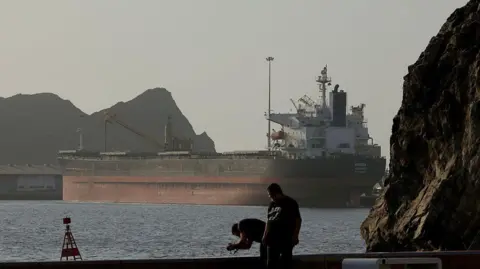
The ongoing war and its implications, including Iran's actions in the Strait of Hormuz, have put substantial pressure on energy supply routes. Macron described the idea of liberating the strait through military means as unrealistic, given the risks involved.
Macron's remarks come amidst a broader international discourse on the correct strategies to adopt in response to the Iranian conflict, revealing deep concerns regarding both military actions and international relations under Trump's presidency.