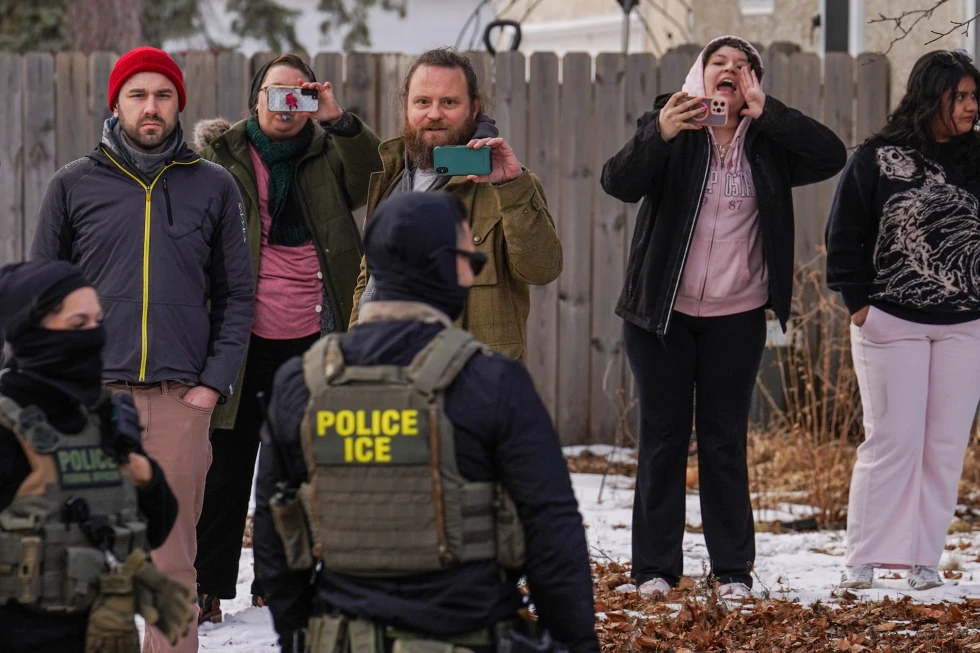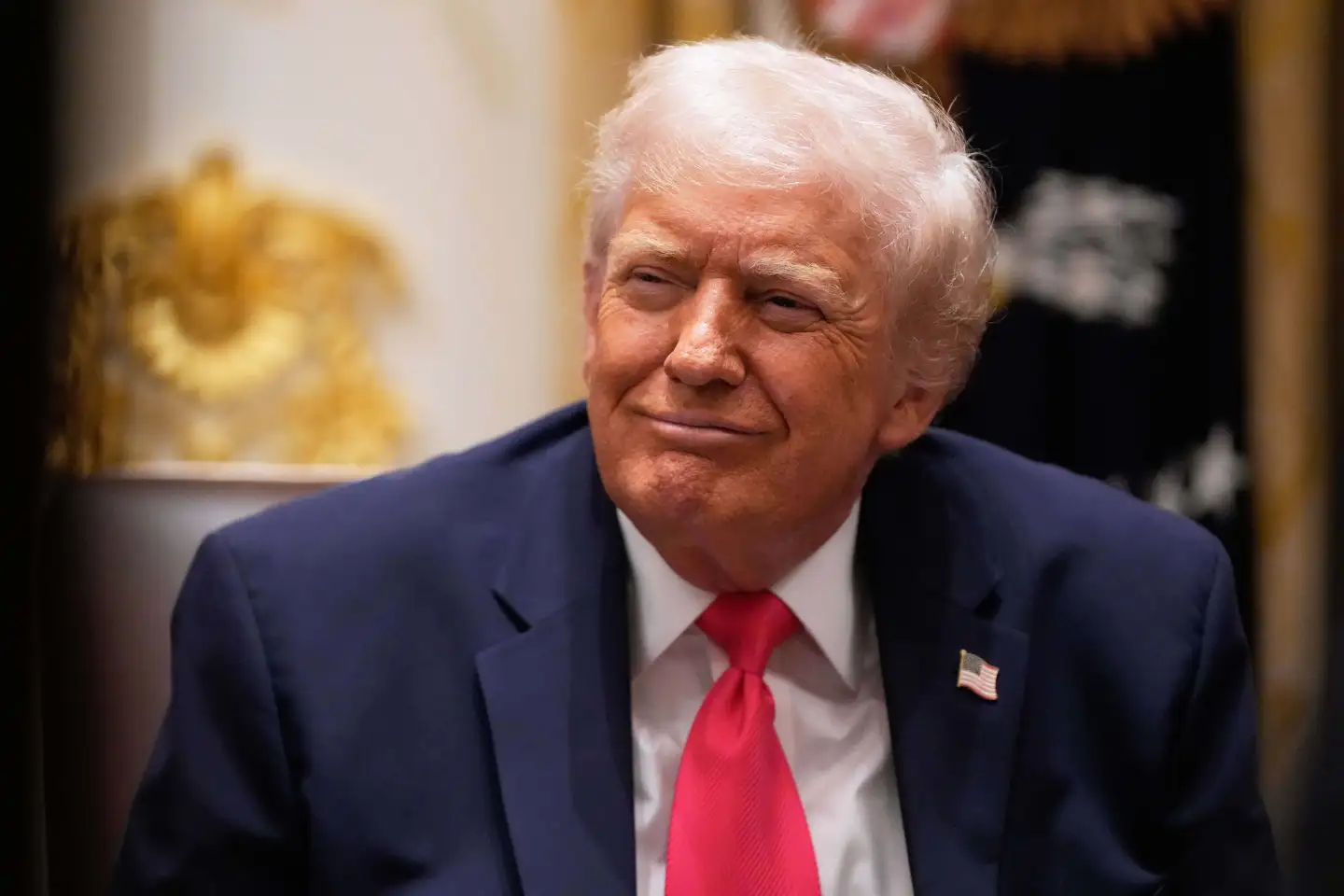
Minneapolis (AP) — President Donald Trump’s disparaging remarks about Minnesota’s large Somali community have revived discussions about the immigrants from Somalia and their descendants. Recently, Trump stated he did not want Somalis in the U.S., claiming they 'contribute nothing,' coinciding with federal preparations for targeted immigration enforcement focusing on Somali immigrants living unlawfully in the United States.
As of 2024, an estimated 260,000 people of Somali descent reside in the U.S., with the majority—about 84,000—living in the Minneapolis-St. Paul area. A significant portion of this community, almost 58%, are U.S.-born, and 87% of foreign-born Somalis in Minnesota are naturalized citizens. Many of these individuals fled the civil war in Somalia and are drawn to Minnesota’s supportive social programs.
Trump's Focus on the Somali Community
In recent weeks, Trump has intensified his focus on the Somali population in the U.S., alleging they have 'caused a lot of trouble'. This rhetoric follows a conservative report linking taxpayer money to the militant group al-Shabab, though evidence supporting this claim remains elusive. As federal investigations continue, no connections between defendants in public program fraud cases and terrorist organizations have been documented.
Following Trump’s statement about terminating Temporary Protected Status for Somali migrants, which provides safeguards against deportation for some, there has been significant pushback from local leaders and immigration experts. They argue that the decision sows fear and distrust.
Fraud Allegations and Community Response
Notably, local Somali leaders and allies, including Minnesota's Governor and the Mayor of Minneapolis, have contested the insinuations against the Somali community amid allegations of fraud in public funds allocation. The Feeding Our Future scandal, identified as the largest COVID-19-related fraud case in the U.S., involved numerous Somali individuals, although the ringleader was not from the community. The case has since escalated, with revised theft estimates reaching $300 million.
Political Ramifications and Ongoing Challenges
Amidst these developments, some Republican political candidates are positioning themselves against sitting officials like Governor Walz for alleged negligence in preventing the fraud. Trump's criticisms of Walz further heighten the political stakes surrounding these community dynamics.
Historically, authorities in Minnesota have dealt with recruiting issues within the Somali community linked to organizations such as the Islamic State and al-Shabab. Although these concerns predominantly surfaced in the 2010s, they continue to resonate, as demonstrated by recent court cases involving community members.
Political Influence of Somali Americans
Despite facing challenges, Somali Americans have increasingly asserted themselves in Minnesota politics. Figures like U.S. Rep. Ilhan Omar, known for her progressive stance and frequent critiques of Trump, exemplify the rising political influence of the community. Other Somali Americans have held positions within the state legislature and local councils, reflecting a growing integration into the political landscape.