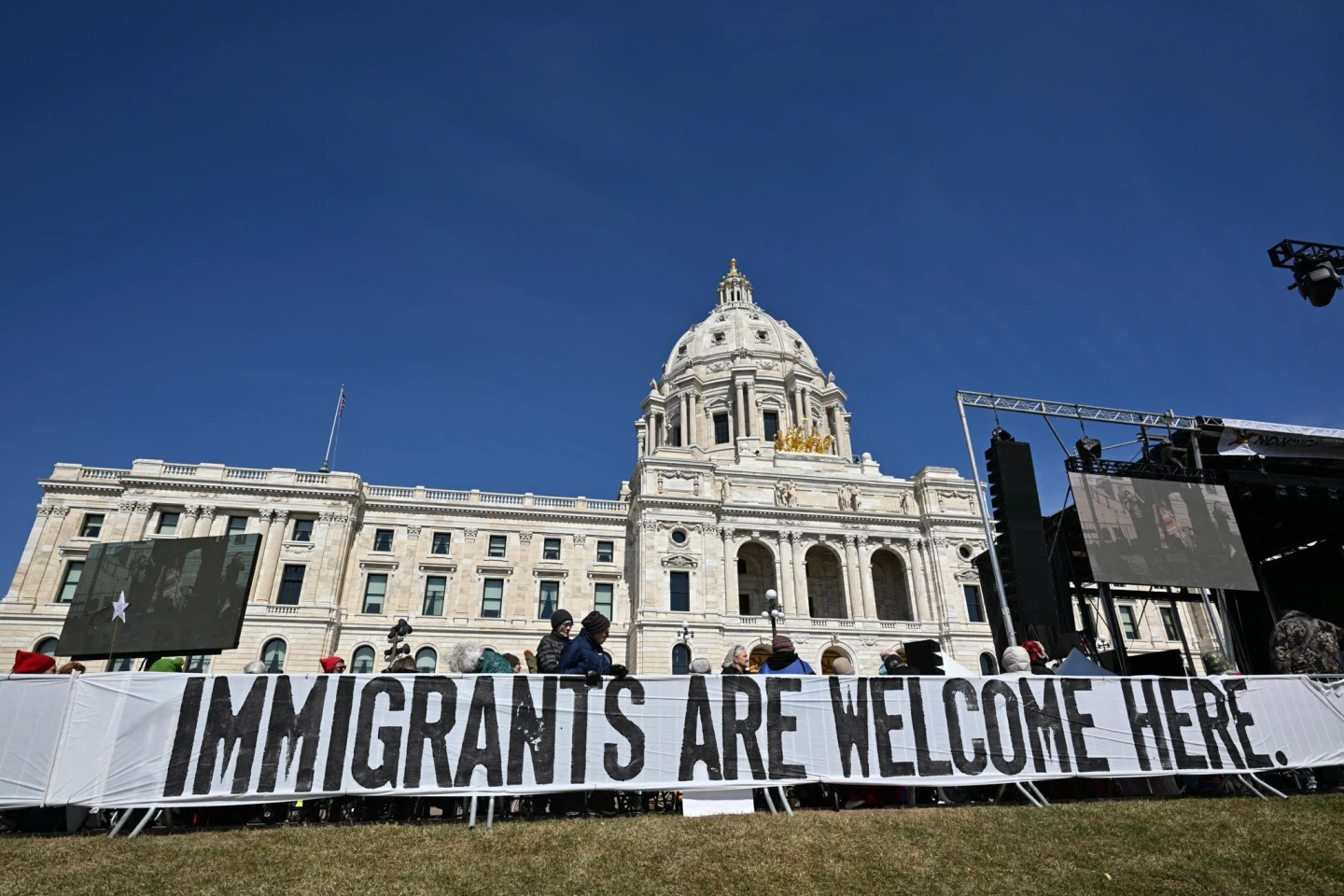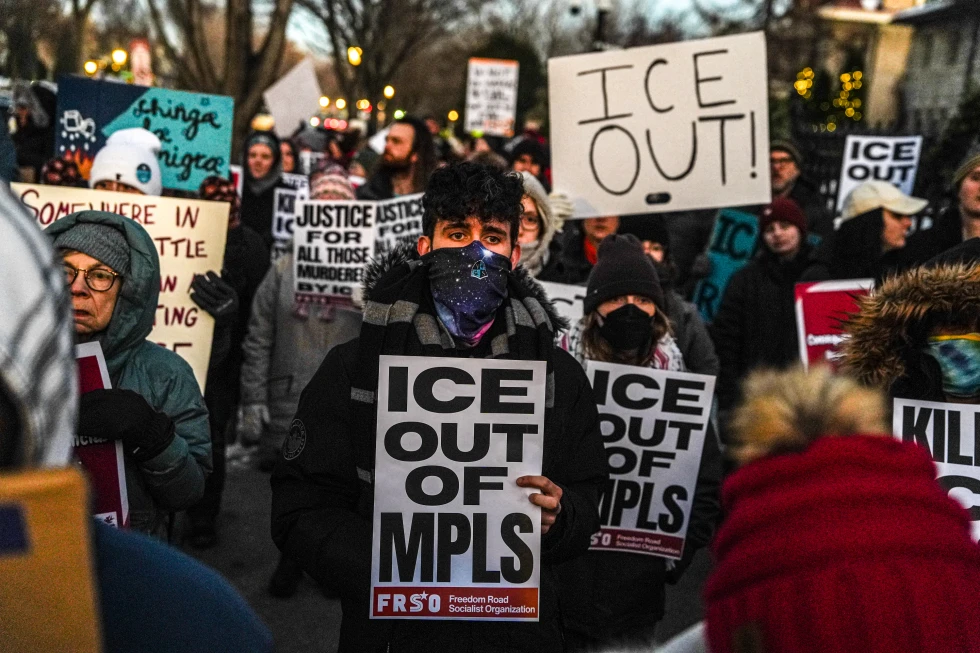
The Trump administration has announced the end of a massive immigration crackdown in Minnesota after two and a half protest-filled months, 4,000 arrests, and two fatal shootings by immigration officers.
Two U.S. citizens, Renee Good and Alex Pretti, were killed by federal officers in Minneapolis. Here is a look at some key moments during Operation Metro Surge, which the Department of Homeland Security called the largest immigration enforcement operation ever.
Dec. 1:
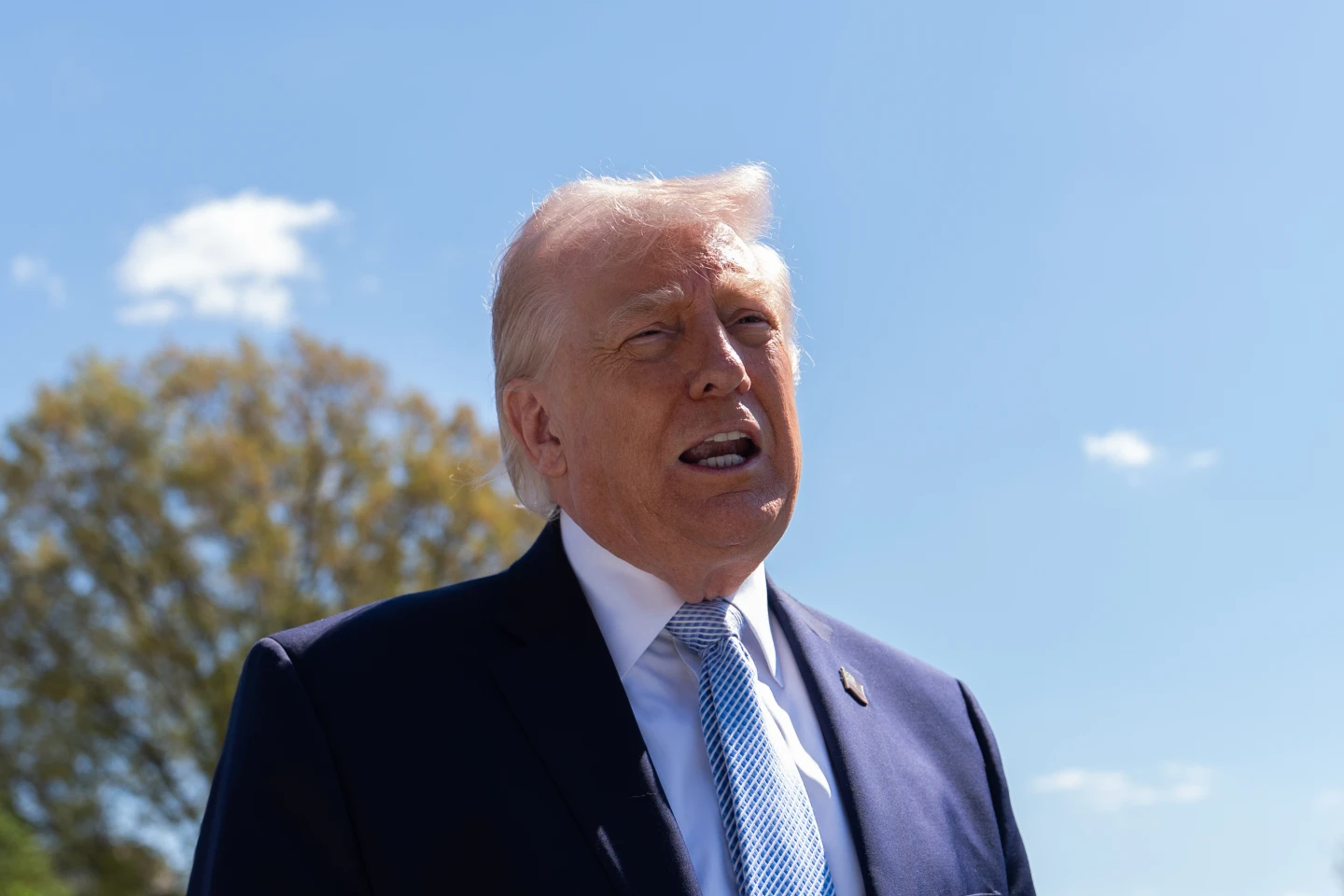
The immigration crackdown begins after weeks of escalating rhetoric by President Donald Trump criticizing Minnesota’s Somali community. Operation Metro Surge is focused on the Minneapolis-St. Paul area, home to the nation’s largest Somali community. Trump has claimed immigrants from Somalia were completely taking over the once great State of Minnesota and has used derogatory remarks about Somali residents.
State and local leaders, including Minnesota’s Democratic Gov. Tim Walz, pushed back against Trump's comments, deeming them unprecedented for a United States president.
Dec. 5:
U.S. Immigration and Customs Enforcement announces it has arrested 12 people during the crackdown, including six Mexican nationals and five from Somalia.
Dec. 9:
Federal agents use pepper spray against crowds of protesters blocking their vehicles in a heavily Somali neighborhood.
Dec. 18:
Five new defendants are charged in a Minnesota fraud investigation, with authorities claiming as much as $9 billion may have been stolen in connection with fraud schemes.
Jan. 7:
Renee Good, a 37-year-old U.S. citizen and mother of three, is shot and killed by an ICE officer. Outrage sparks nationwide as videos of the incident contradict official narratives.
Jan. 24:
Alex Pretti, a 37-year-old nurse, is shot and killed by a Border Patrol officer during protests. The circumstances of his death provoke further scrutiny and build public outrage.
Feb. 12:
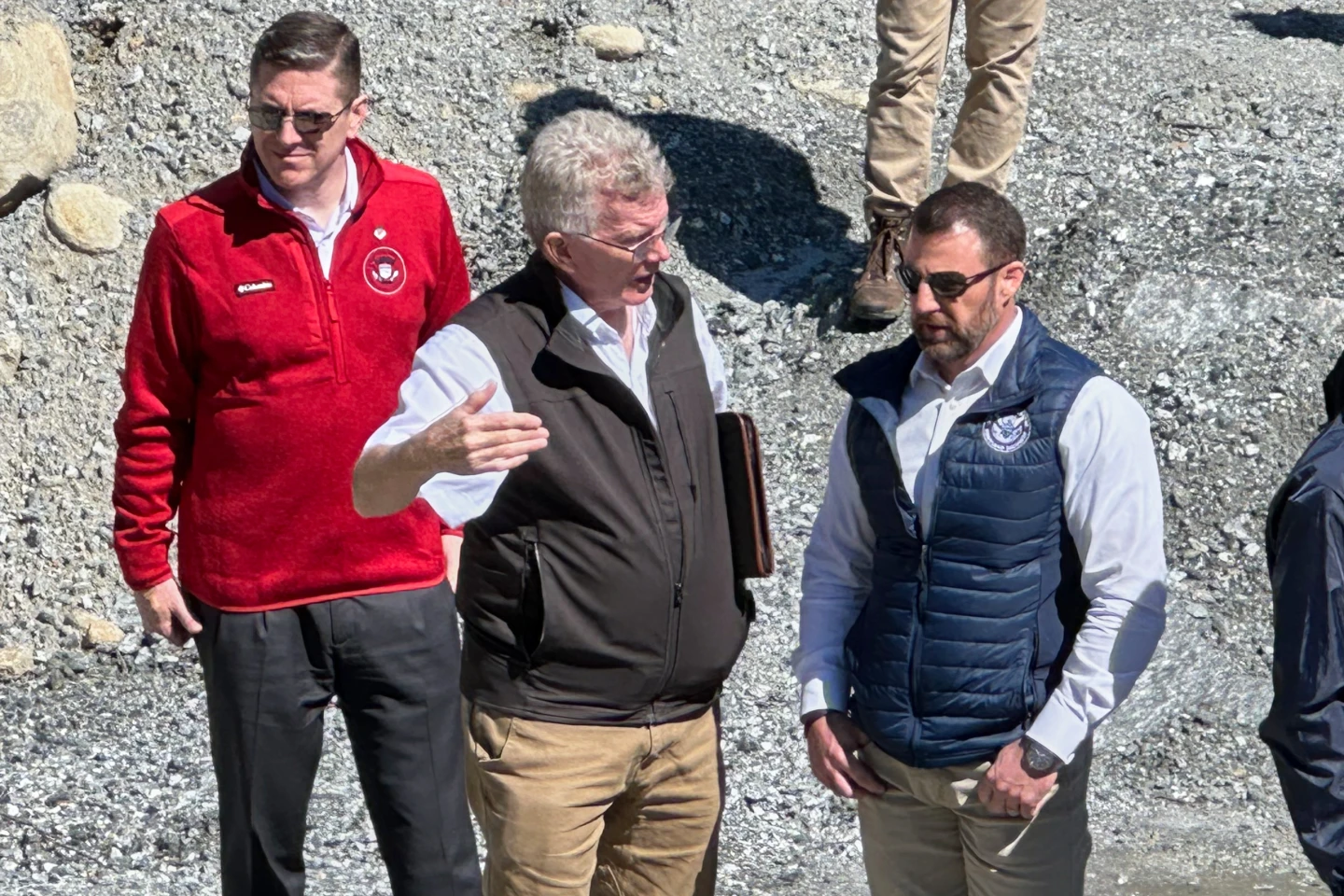
Border Czar Tom Homan announces the end of Operation Metro Surge, marking a contentious chapter in immigration enforcement in Minnesota.
This immigration operation not only stirred public dissent but also raised serious questions about the treatment of immigrants and the rights of citizens amid federal enforcement actions.