Myanmar’s Youth Gripped by Fear of Forced Military Draft
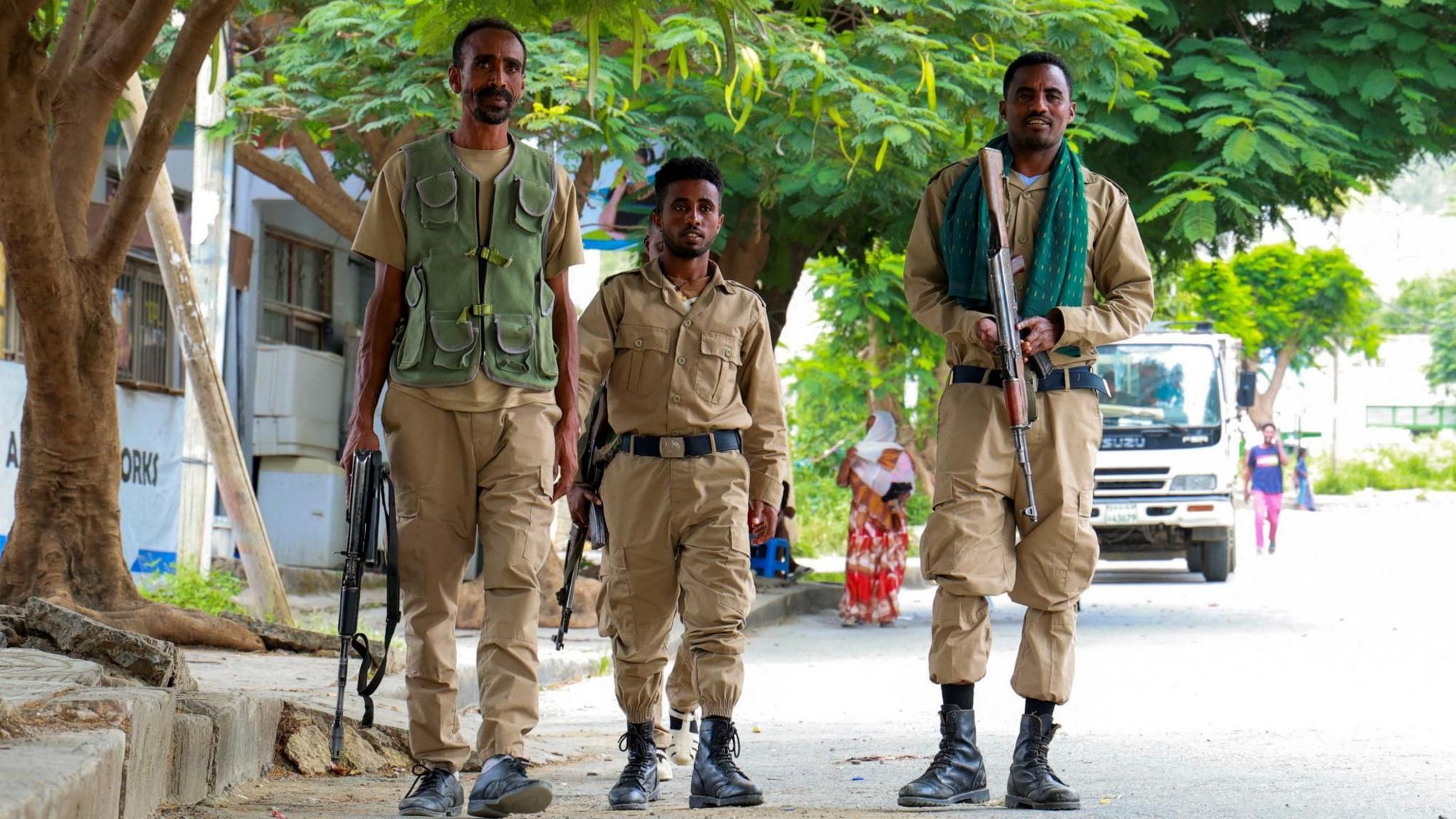
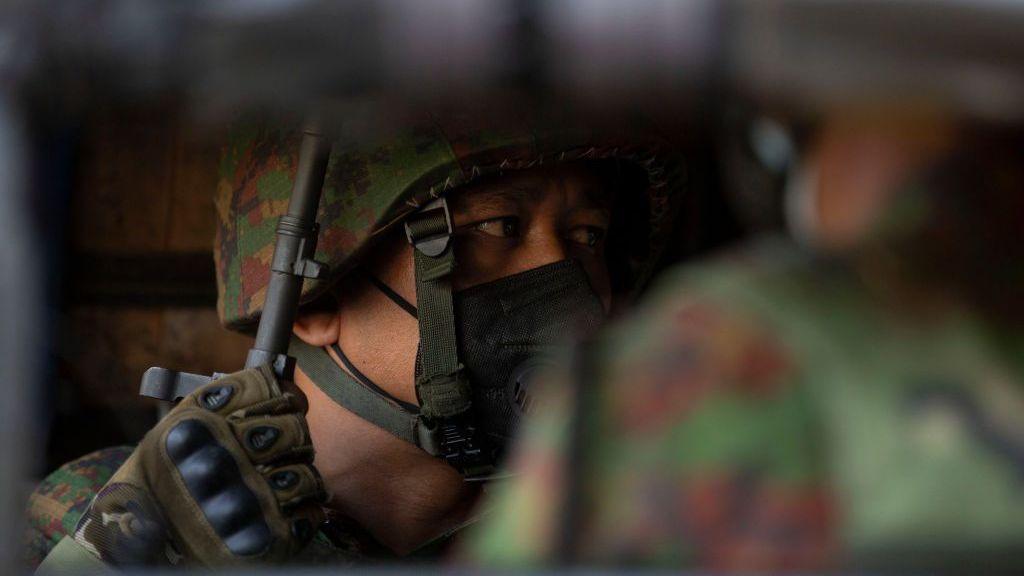
Since the military’s 2024 conscription law, the people of Hpa‑An in the southern Karen state have lived in uneasy quiet. The law obliges men aged 18‑35 and women 18‑27 to serve at least two years, a measure the junta says is needed to maintain its fighting force against ethnic militias and pro‑democracy groups. In reality many residents now report that plain‑clothed officers and local officials are roaming streets, arresting youths, extorting money and forcibly transporting them to recruitment centres.
Zaw Min, a 26‑year‑old tuk‑tuk driver who kept his name private for fear of retaliation, says he must take extra precautions when he goes out at night. “I worry, but I have to go out to work,” he told reporters. “Some people I know have been taken.” His anecdote echoes official documents leaked to the BBC, which show orders for aggressive recruitment across jurisdictions.
The human‑rights community has highlighted a systematic pattern of intimidation. Amnesty International, Human Rights Watch and Fortify Rights have all documented forced abductions and coerced enlistments. A July report by Myanmar Witness, based on Facebook missing‑person posts, recorded a sharp rise in reports of men disappearing after the draft law. “In practice, much of the military’s recruitment appears to be carried out through detention, coercion and disappearance rather than formal call‑up,” the organization found.
Leaked stats suggest more than 100,000 young people have been issued conscription papers since early 2024, driving a surge of corrupt brokers who assist in “hiring” recruits for the junta’s benefit. Business connections turn the mandatory enlistment into a modern‑day slavery market, with wealthy applicants paying to avoid service while poorer families are left to suffer the punitive consequences. This dynamic has fueled internal displacement and labour shortages, pushing many to flee across the border into Thailand.
When questioned, the Central Body for Summoning People’s Military Servants offered no comment. Meanwhile, senior defence officials have framed training losses and strategic goals as justification for the approach. “The generals have benefited by using military law to make the citizens fight against each other,” a statement from the Myanmar Defence and Security Institute warned in June 2024, echoing the junta’s narrative that conscription is a compulsory national duty.