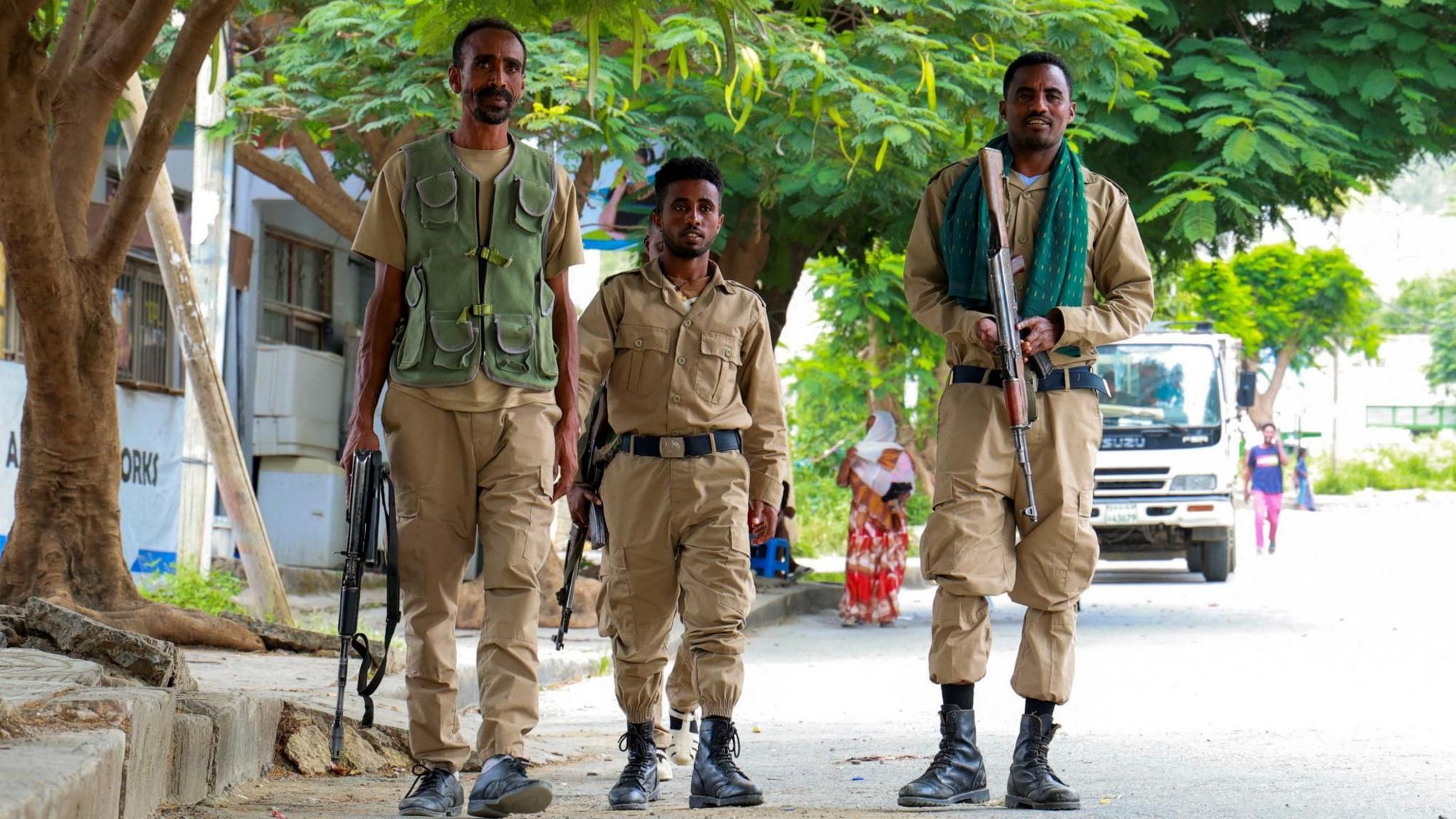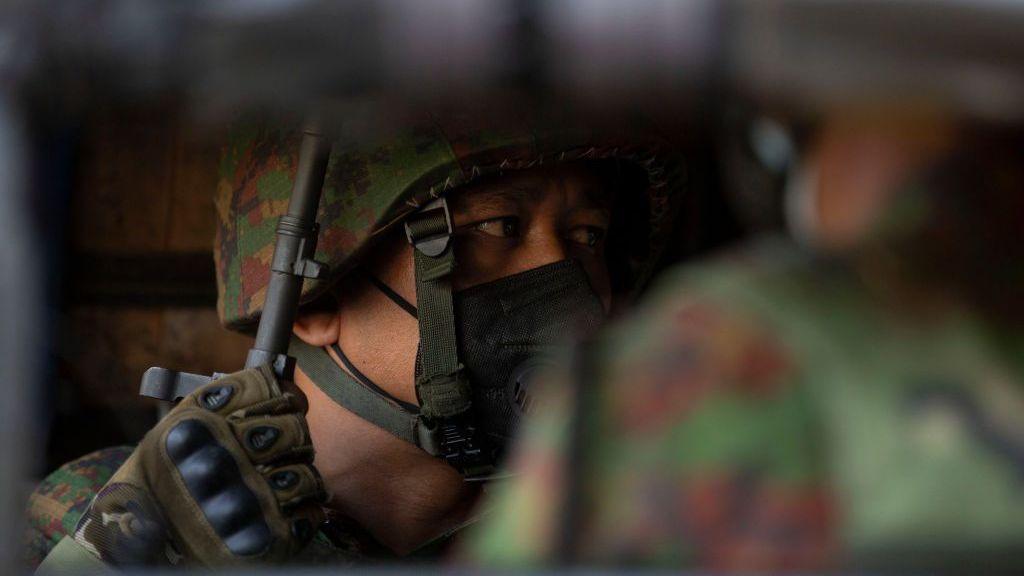
In Hpa‑An, the capital of Myanmar’s southern Karen state, the streets feel like a battlefield even on ordinary days. Residents warn one another not to travel after dark, for the plain‑clothed men of the junta’s army now roam local roads, sometimes using armed force and intimidation to seize men in their teens, 20s and 30s.
Zaw Min, a 26‑year‑old tuk‑tuk driver, said: “I worry, but I have to go out to work. My family calls me all the time and reminds me not to drive passengers too far; to be careful who I take as a passenger… I have to be vigilant all the time.” His words echo a widespread fear that, if anyone is missing, the most likely explanation is forced conscription or kidnapping.
A leaked military brief revealed that senior authorities were now being ordered to “aggressively fulfil the military’s recruitment quotas” across all jurisdictions. The directive, issued after three years of deteriorating morale and desertion, has effectively turned the conscription list into a private market. Men are sometimes forced into service through bribery, coercion or outright kidnapping, with recruiters promising money for release – a promise rarely kept.
According to Myanmar Witness research, the number of missing‑person reports rose from four in 2021 to 82 in 2025. Most of those reported are young men, and many cases involve transfer between townships to meet local quotas. “Under the guise of conscription, these arrests have become a modern form of slavery,” said Major Naung Yoe of the Myanmar Defense and Security Institute.
The human cost is grave. One story, housed in the news of Yangon, follows Ma Moe San Pan, whose husband disappeared after her cousin allegedly sold him to a ward official for 4 million kyats ($900). She has since lost over 4.5 million kyats ($1,200) to scammers, while the police dismissal of her case illustrates the opaque nature of claims of forced conscription.
The regime’s push to brace “human supply chains” for its forces has intensified conflict. When local authorities fail to meet quotas on schedule, they resort to increasing raids, fake job adverts and hostage‑taking. Smaller units, even a fire‑brigade commander, have been jailed for abducting several men and turning them over to the army.
The cost to ordinary residents is twofold. Economically, those who can afford to pay their way out of the draft are [automatically] exempt, while the poverty line residents find themselves conscripted and forced to fight in a war they opposed. Socially, the constant threat of abduction has spurred internal displacement, severe labour shortages and a sense of helplessness that has spread across the country.
On a broader scale, the forced recruitment fuels the junta’s ability to keep fighting, with young recruits often thrust into frontline positions without training. The regime’s strategy, while ensuring a steady flow of men, also deepens divisions and perpetuates cycles of violence and exploitation. Professor Dr. Sandeep Singh, from the National University of Singapore, notes that the conscription law currently “seems to be another step in the junta’s efforts to enlist unwilling youth in a conflict that underscores its embattled position in the civil war.”
While the junta portrays the conscription effort as a legal necessity to strengthen the army, its human‑rights record exposes a much bleaker picture. Organized abductions, forced labour, and an entire class of people being treated as commodities are powerful indicators that the rule of law has eroded in Myanmar’s conflict zones.