Brazil's Presidential Race: Lula vs. Flávio Bolsonaro
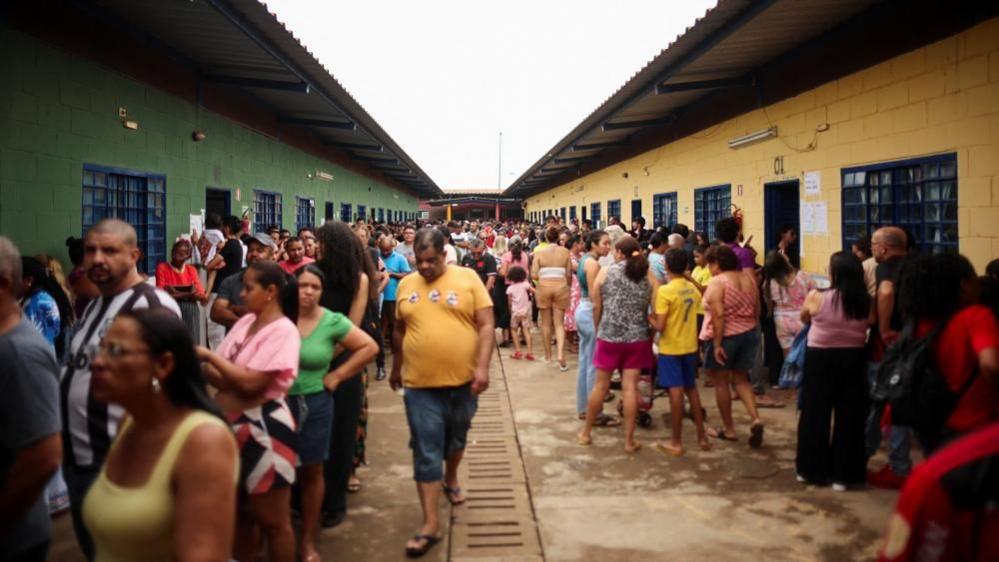
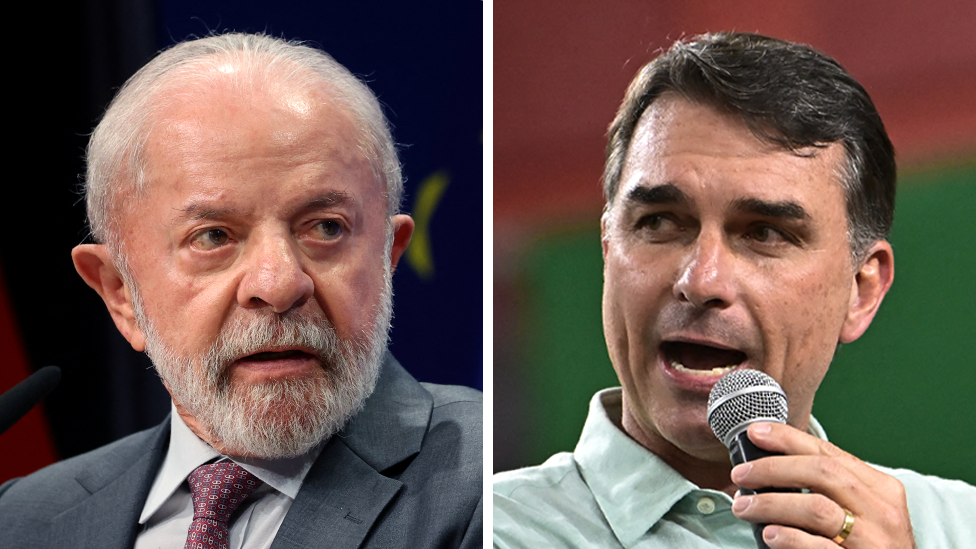
On Sunday, 4 October, voters across Brazil head to the polls to decide who will lead the country for the next four years. The contest is a dramatic rematch: 80‑year‑old former president Luiz Inácio Lula da Silva faces 45‑year‑old senator Flávio Bolsonaro, son of the former president who was convicted of plotting a coup.
Polling landscape
Both candidates sit near the 40 percent mark, leaving a run‑off on 25 October unless one clears an outright majority. The other eleven contenders trail at 4 percent or less. A sizable portion of the electorate remains undecided, with recent polls showing almost 10 percent of voters likely to spoil their ballot or stay home.
What Lula stands for
Lula has served three presidential terms, winning praise for lifting millions out of poverty through a cash‑transfer programme and for cutting deforestation in the Amazon. But his time in office also saw corruption scandals, a brief imprisonment, and criticism over offshore oil drilling. He now pledges to phase out fossil fuels while using oil revenues to fund a clean‑energy transition.
Flávio Bolsonaro’s platform
Flávio promises a tough‑on‑crime agenda, lower taxes for farmers, and deregulation. He positions himself as the heir to his father’s populist brand, courting evangelical voters and the agricultural sector. Recent statements suggest he will align closely with former U.S. President Donald Trump on security matters.
Key voter concerns
While crime and security dominate many Brazilians’ minds, a high‑profile banking fraud case has shifted attention to corruption. Investigations involving a banker linked to both parties and a Supreme Court justice have muddied the waters. Lula’s supporters claim his ties to the disputed justice are tenuous, while Bolsonaro’s campaign has used the controversy to rally anti‑judicial sentiment.
As the country faces decisions on democracy, environmental policy, and international relations, the outcome on 4 October will shape Brazil’s trajectory for the next four years.