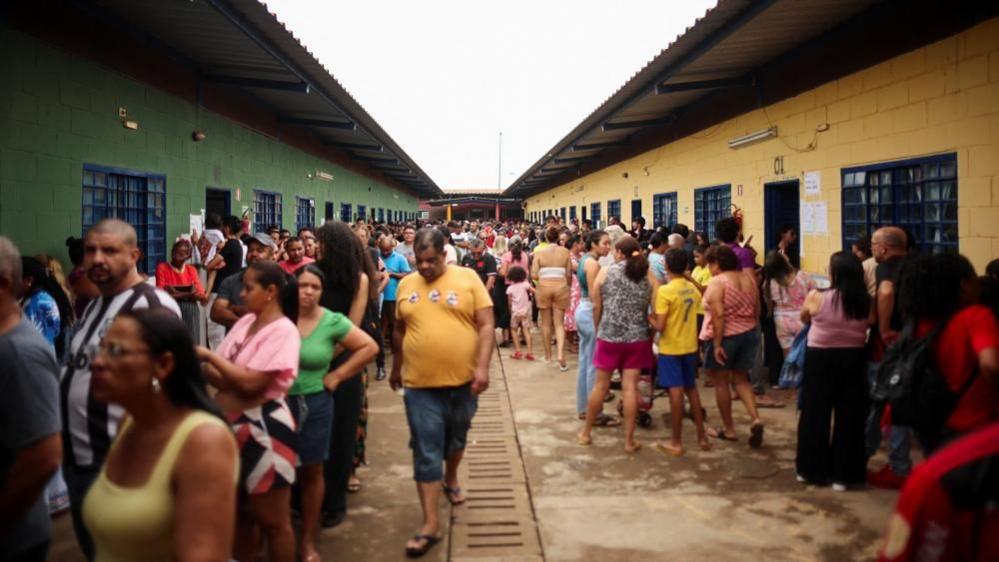
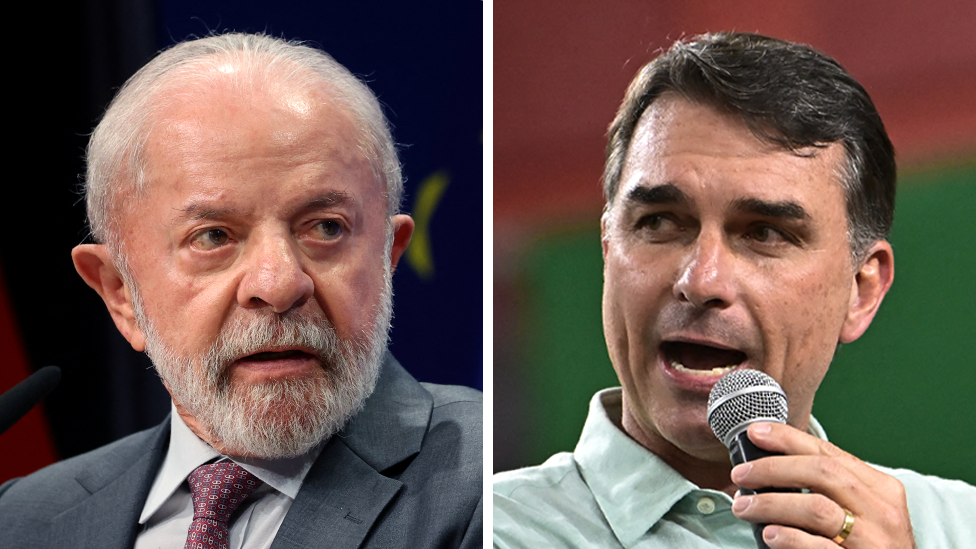
Brazil’s most important presidential contest of the year is unfolding amid charges of international meddling. President Luiz Inácio Lula da Silva faces Flavio Bolsonaro—son of former president Jair Bolsonaro and an ally of former U.S. President Donald Trump—who is mounting a right‑wing challenge. Lula has publicly accused Washington of backing Bolsonaro’s camp, claiming the U.S. is using its influence to shape Brazil’s electoral outcome.
The clash comes at a time when Brazil’s economy, trade policy and security landscape are under scrutiny. Washington’s proximity to Bolsonaro’s political movement raises doubts over the motivations behind U.S. engagement, particularly as trade tariffs and organized‑crime networks could benefit both sides.
In a televised address, Lula warned that the presence of foreign actors in Brazil’s democracy threatens sovereignty and called for transparent electoral procedures. He emphasized that external interference could undermine public trust in the national vote.
While the administration of Flavio Bolsonaro cites closer ties to the United States as an advantage, critics argue that such links could compromise Brazil’s autonomy. The debate illustrates the delicate balance between international cooperation and independence in governance.
With the election approaching, analysts from both sides predict that the controversy will shape voter sentiment and potentially shift the political landscape. Regardless of the outcome, the story is a telling example of how global politics increasingly intersect with domestic electoral processes.