Men in Johannesburg Take Stand Against Violence Against Women
In the narrow lanes of an informal Johannesburg settlement known as Organic Market, men have gathered around a table and a pile of chairs, ready to speak about a problem that has long plagued their streets. The meeting is part of the Father A Nation programme, which works to foster positive masculinity and curb gender‑based violence.
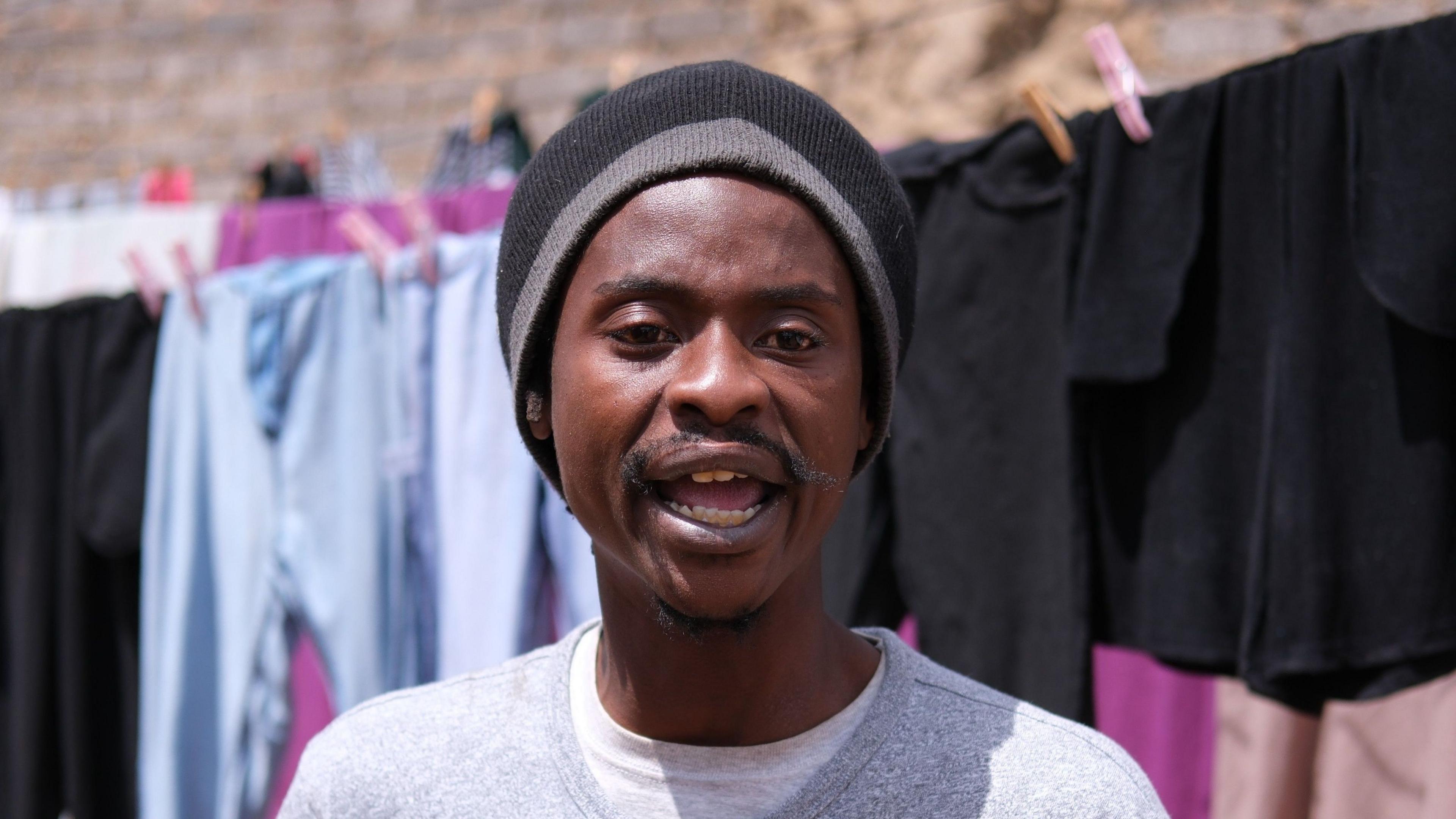
Kgomotso Mathekga, 30, opened the session by admitting he had once slapped his partner after a drunken argument. He said, I witness men hitting women all the time, especially when they are both drunk. I once had an argument with my girlfriend and I grabbed and slapped her. Mathekga’s own case illustrates the link between personal action and community harm.
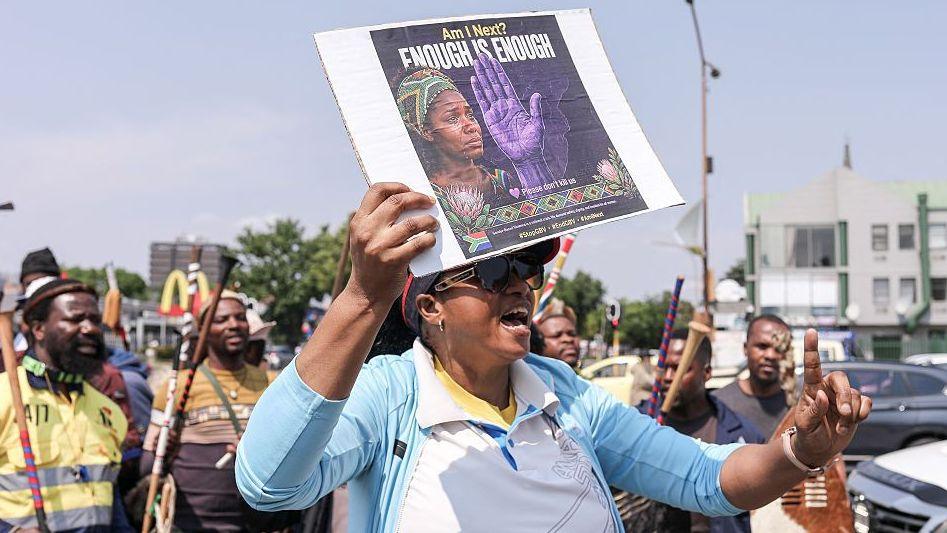
At the centre of the discussion is Bra Steve, a local organiser whose real name is Itumeleng Stephen Tamaga. He raised his fist, shouted, We are men!, and urged the men to stand together against femicide. The meeting, held in a dusty tavern outside the settlement, shows the grassroots energy that Farmer A Nation generates.
Supporters of the group point to the worrying statistics: in South Africa’s twelve provinces, 5,427 people were murdered between April and June, 569 of them women – a daily rate of six women killed. An October report by the Human Sciences Research Council found that more than a third of South African women have experienced physical or sexual violence, typically from intimate partners.
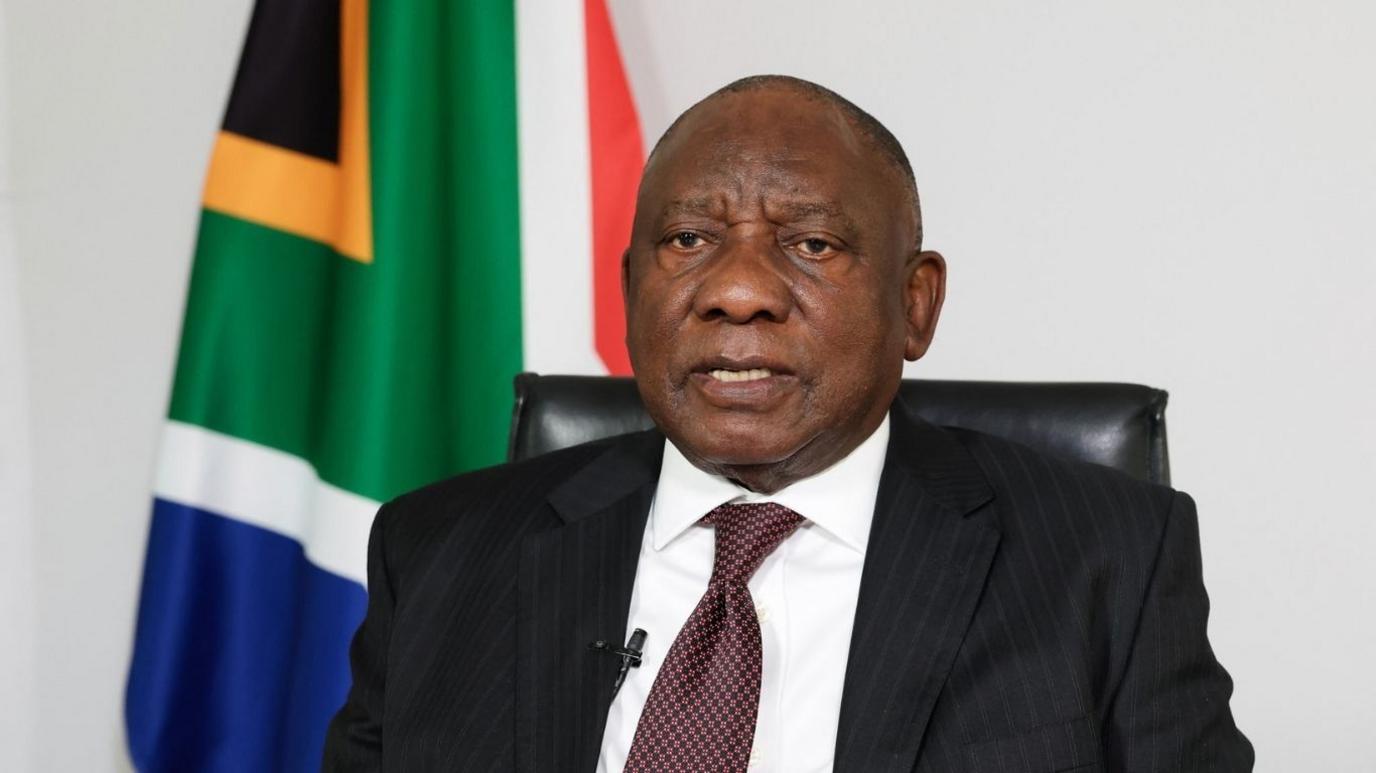
President Cyril Ramaphosa has acknowledged that the government has not done enough, announcing improved street lighting and a review of unsolved cases. However, Father A Nation co‑ordinator Zizipho Mtwesi says the measures are too little and too late. He says the group is working “before things like these murders happen again.”
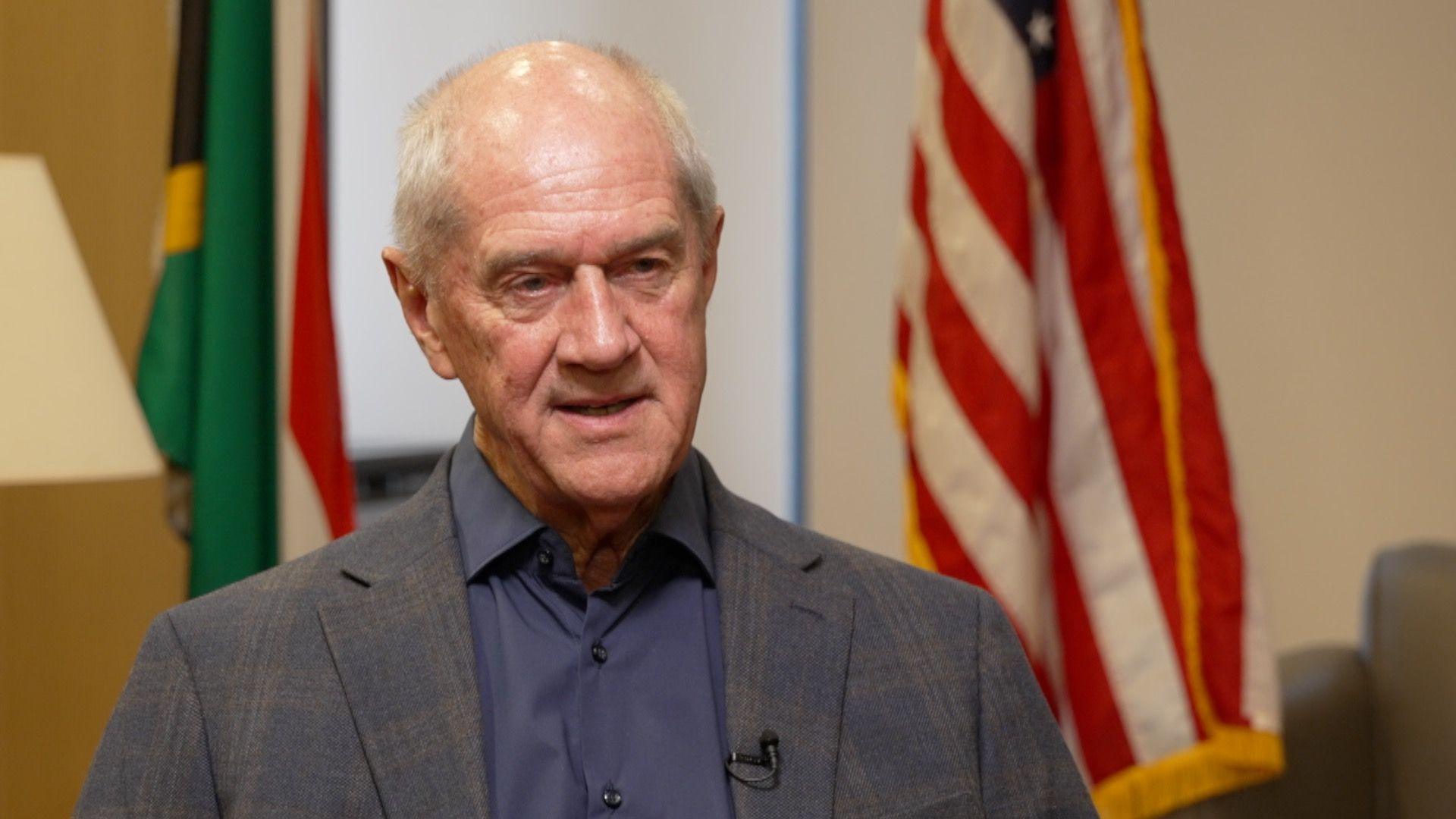
The programme also focuses on training men to understand the problem, process emotions, and choose how they will act. Founder Craig Wilkinson explains that the men’s healing comes through conversation and the hope that “women need to be safe.”
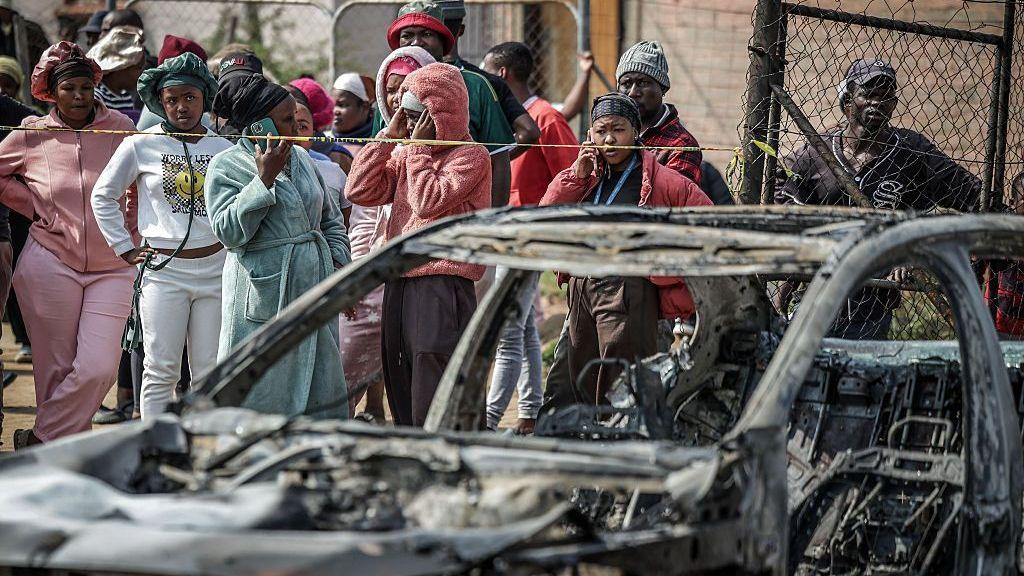
Women in the surrounding area echo the concerns. A resident named Linkie says she has to take e‑hailing taxis more often because she fears walking alone. In a local hair salon, Providence Maseko added that she feels unsafe when a car follows her from behind.
As the meeting wrapped up, Mathekga said he wants the men to keep practising what they have learned because “our fathers and our uncles are in prison, we must now become role models.” He added that every man must play a part so that no family endures violence against its daughters, wives or girlfriends.