Reports of Violence Against Women in Gaza Surge, UN Agency Finds

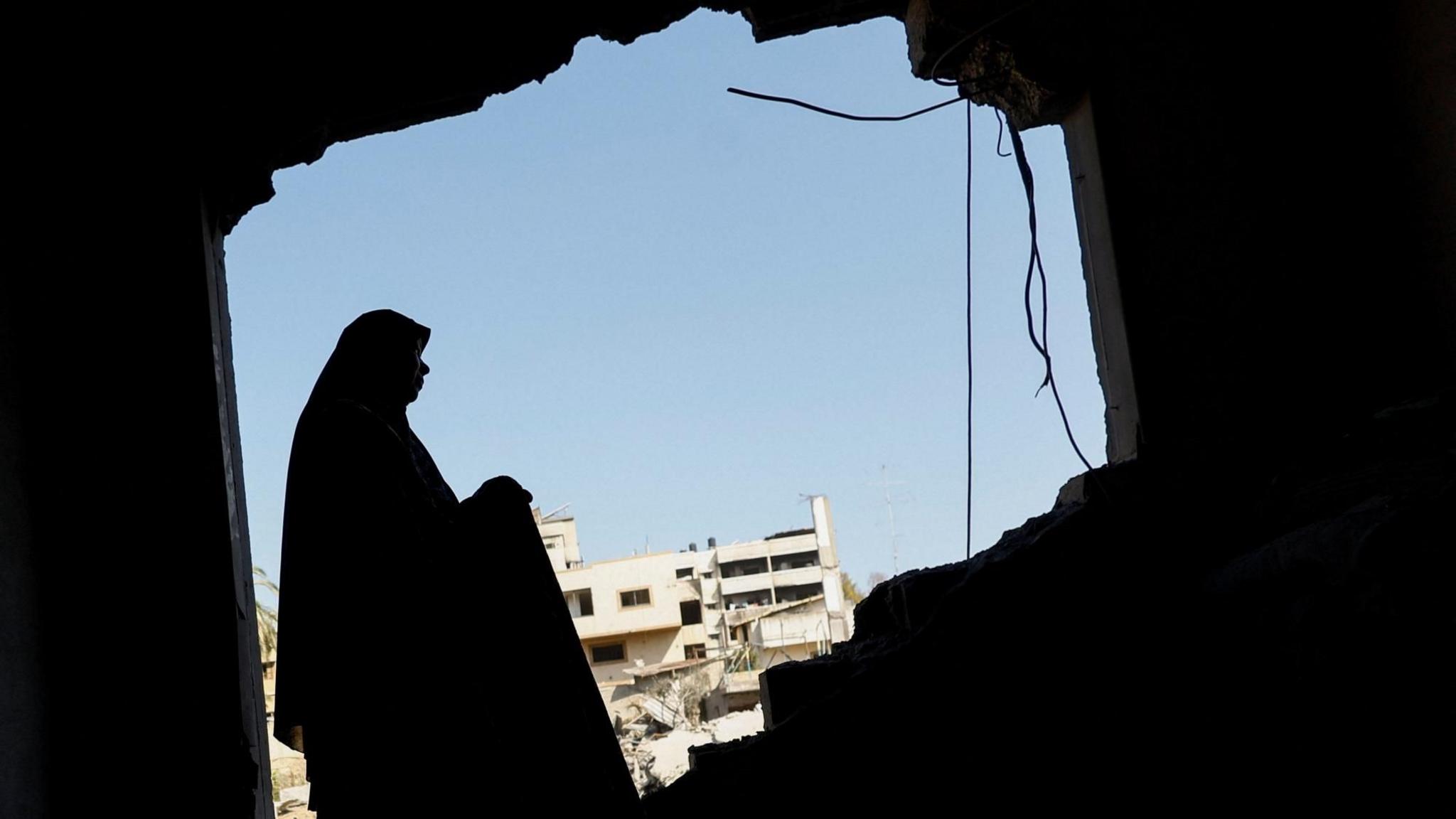
There has been a sharp rise in reports of gender‑based violence against women and girls in the Gaza Strip, including early and forced marriage, according to a series of recent UN Population Fund (UNFPA) reports.
One study, analysing data from ten organisations, shows that the protracted war has “created conditions in which women and girls face escalating risks of gender‑based violence.”
It warns of a severe escalation in early and forced marriage incidents in the second quarter, with a reported increase of 123 % compared with the first quarter. Early or child marriage involves girls aged 12 to 17.
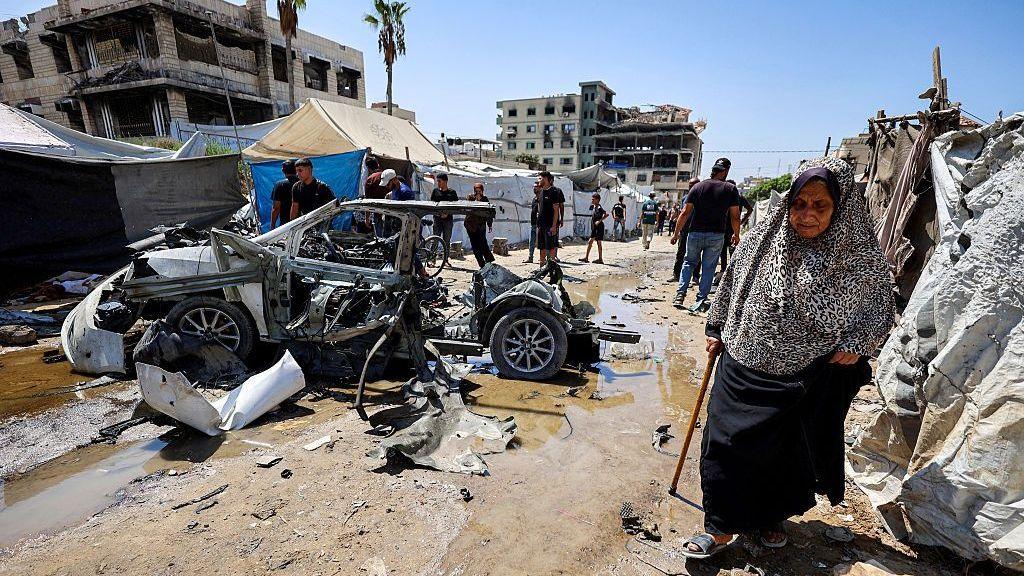
Another UNFPA report, based on testimony from 230 women in crowded displacement camps in Gaza City and Khan Younis, describes the violence survivors have endured or witnessed.
Testimonies include a woman who explains that rape victims are often married to their rapists to avoid shame, and a man who traded his 14‑year‑old daughter for two bags of flour during famine conditions.
The rise in sexual violence has also spiked, accounting for 2.7 % of all reported gender‑based violence incidents in the April‑June 2026 quarter, up from 2.1 % the preceding quarter—an absolute increase of 61 %.
Women who are widows or have missing or detained husbands are at greater risk. Nearly one in four households in Gaza is now headed by a woman—double the proportion before the war.
UNFPA officials say the breakdown of social structures and loss of public services have eroded protective mechanisms, creating an environment where early marriage and sexual exploitation flourish.
Aged girls are being married into life and may face pregnancy, miscarriage, or underweight offspring. The UN and humanitarian groups argue that better shelters, sanitation and illumination could mitigate these dangers.
Proposed actions include allowing higher‑quality shelters, upgrading latrines and providing lighting, as well as bolstering education, healthcare and long‑term campaigns against domestic violence and child marriage.
With many lives in Gaza permanently altered, women express a cautious hope for a future where they feel safer.
Read the UNFPA analysis report (April‑June 2026)