Gov. Sarhadi’s Office: A Woman’s Fight for Divorce and the Taliban’s Persistence
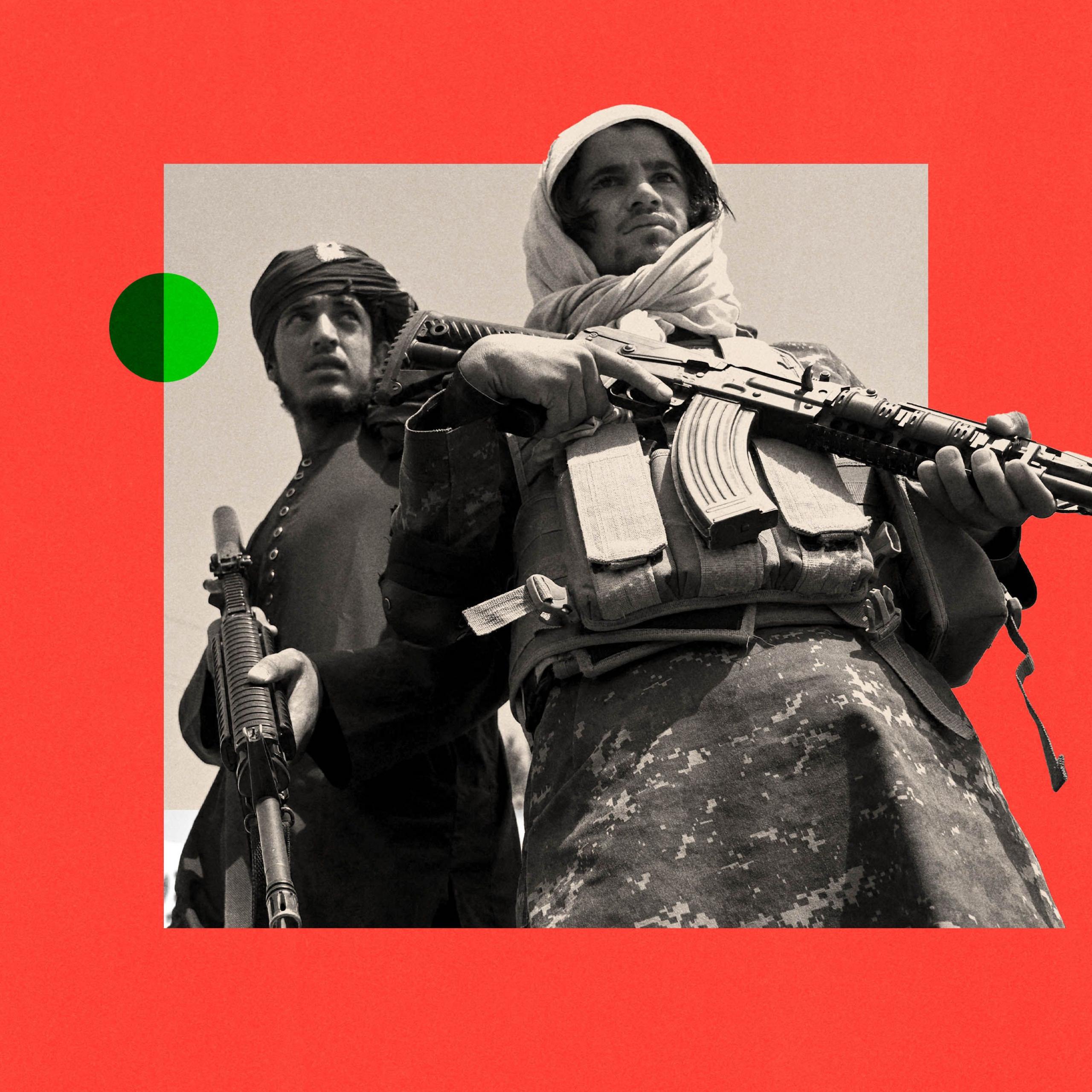
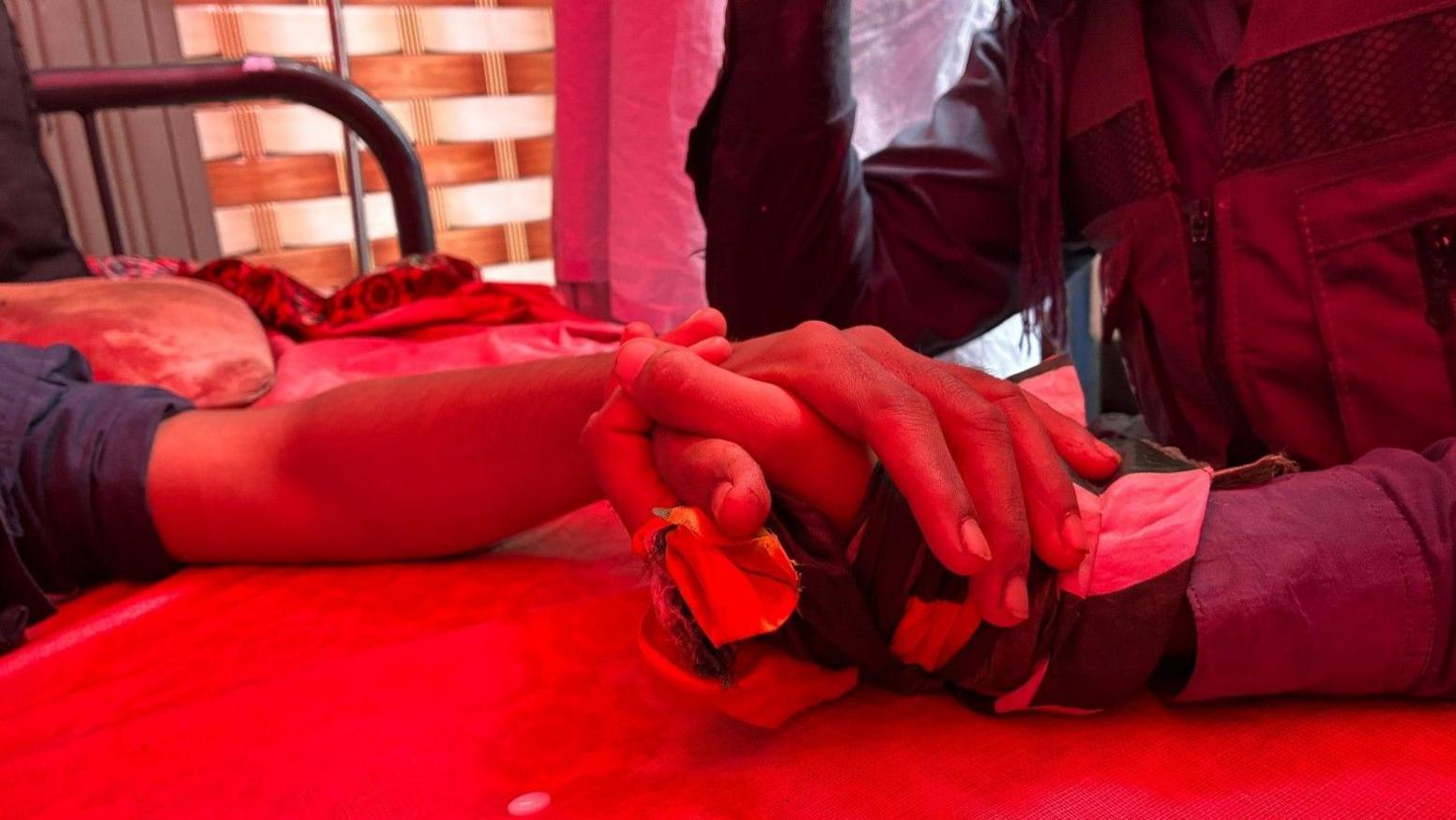
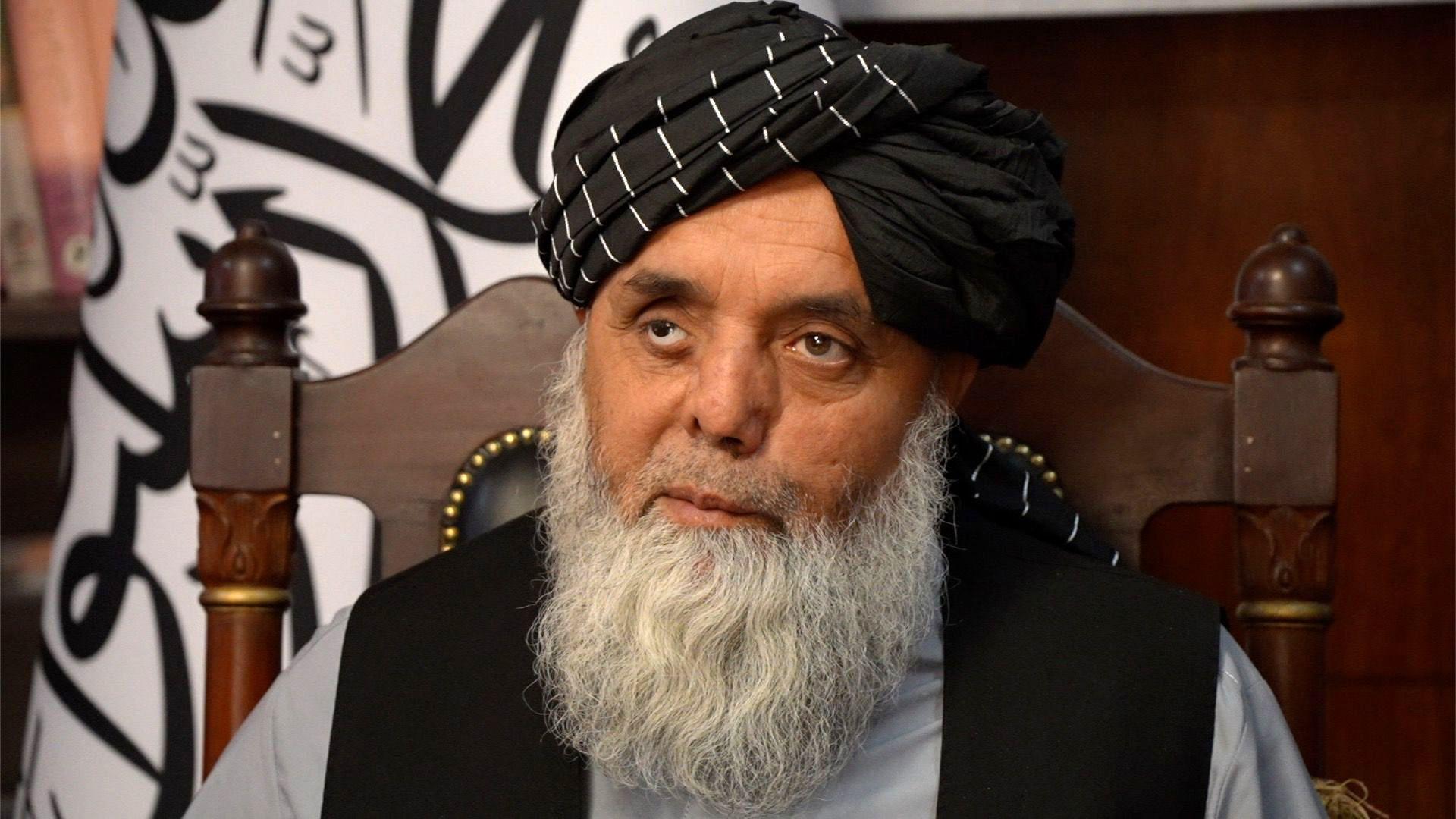
In a room that blends military austerity with a modest seatmaster’s desk, Governor Abdullah Sarhadi—once a commander in Taliban’s 1990s insurgency and a former Guantanamo detainee—demands a 18‑year‑old woman’s plea be quiet. She, wearing a full face veil, tells him that her honour has “been ruined.” He laughs at her, calling women “mindless” and “deficient in intellect.” The governor’s attitude reveals Taliban rule that, despite claiming reform, still upholds a strict interpretation of Sharia.
In a startlingly rare interview, the governor explained that his division of local mosque and medical funds is unchanged, while a new smartphone ban slows bureaucratic speed. He added: “If we let a woman ask for a divorce and gain a settlement, the return of her dignity will be compromised.” She argues that she will reject a husband who has abused her. The governor, meanwhile, demands she stay in marriage for fear of future honour and “compromise.” This glimpse is one of many that illustrate the everyday realities of Afghanistan’s Taliban‑led administration.
Beyond the governor, the BBC’s two‑year trek to speak with former Taliban actors in Kabul, Kandahar and northern provinces uncovered a conflict between reporting freedom and the regime’s power. Many former insurgents now lead ministries or police units. Some, such as Habibullah Badr, once orchestrated suicide attacks but now speak of the necessity of avoiding civilian casualties, while others reference their dual roles of guarding institutions they were once imprisoned in. Their conversations underline the tension between a government that claims it rebuilds Afghanistan and the public’s fear of repeated violence.
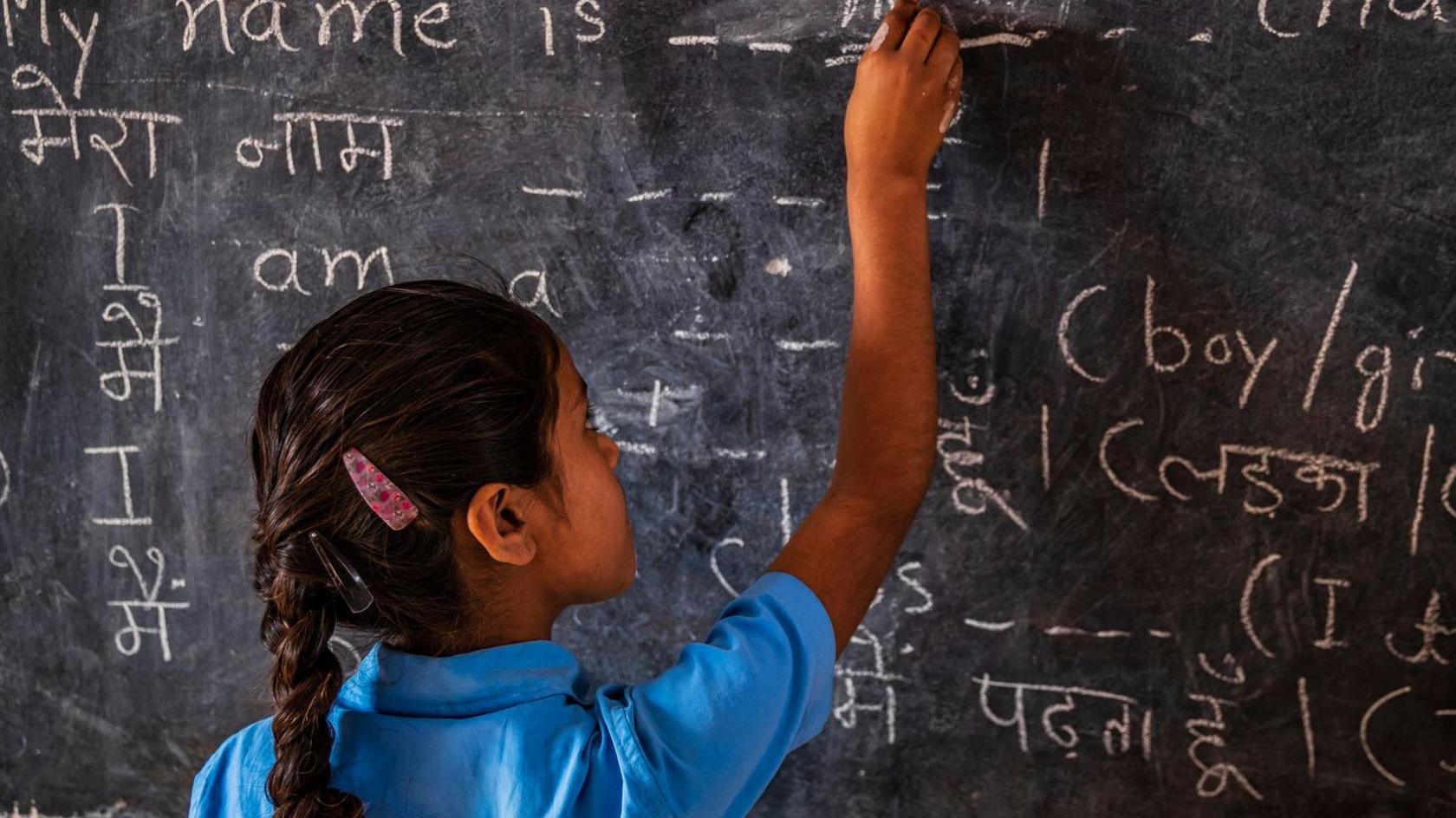
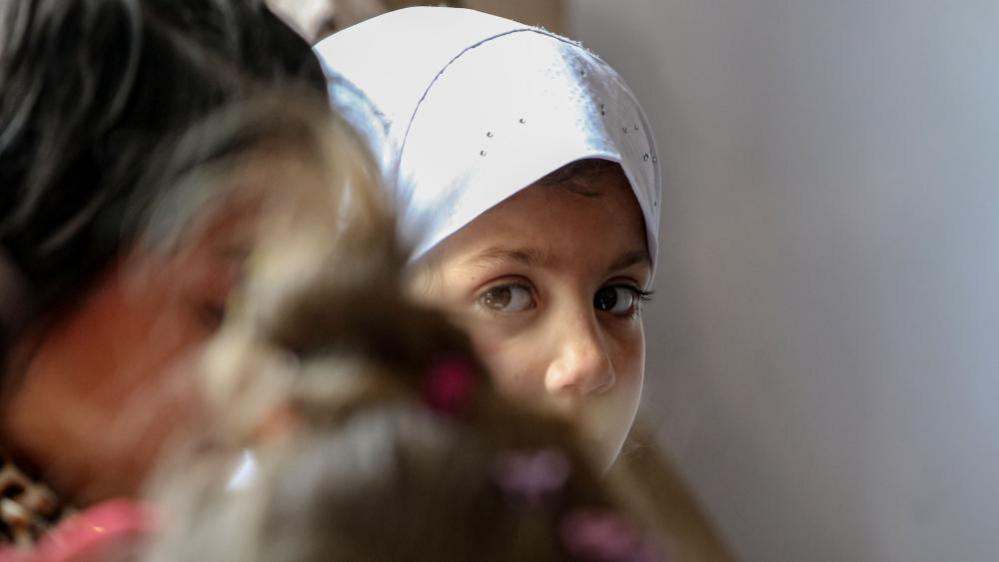
Women interviewed north of Sawat were faced with stringent limitations on education. A woman—an activist—shared that she was jailed when she protested after the Taliban’s 2021 takeover. The same activist advises that the Taliban fears educated women because they threaten the regime’s control. The government’s spokesman, Zabihullah Mujahid, emphasizes a “Sharia‑lens” view of rights, arguing that women should work only inside a framework that “strictly guard dignity.” Yet reports of contested education policies and restricted media freedom grow louder.
During the field trip, former fighters toured a hidden cave network that served as a sanctuary from past governments. The memories of rock‑cut trenches, soon replaced by a residential army, both remind visitors of the stubborn resistance to the regime’s legitimacy and the obstacles the new government faces. In the East, a municipal governor pledges to build roads and water systems, but poverty remains a stark reality for many Afghans, children waking each day for lack of clean water or a functioning school.
With the Taliban now five years into a second reign, the epicenter of the debate over women’s rights, education, and governance remains sharp. While the regime claims to be reforming, the juxtaposition of hard Sharia rates, smartphone bans in the rural interior, and a parent’s unwillingness to divorce a marriage paints a complex picture of how power and daily life intersect in Afghanistan today.