Rawalakot protest: a child shot, a clinic in crisis
A spare bedroom in Rawalakot serves as a makeshift medical centre where Dr. Anwar attends to protest‑related injuries.
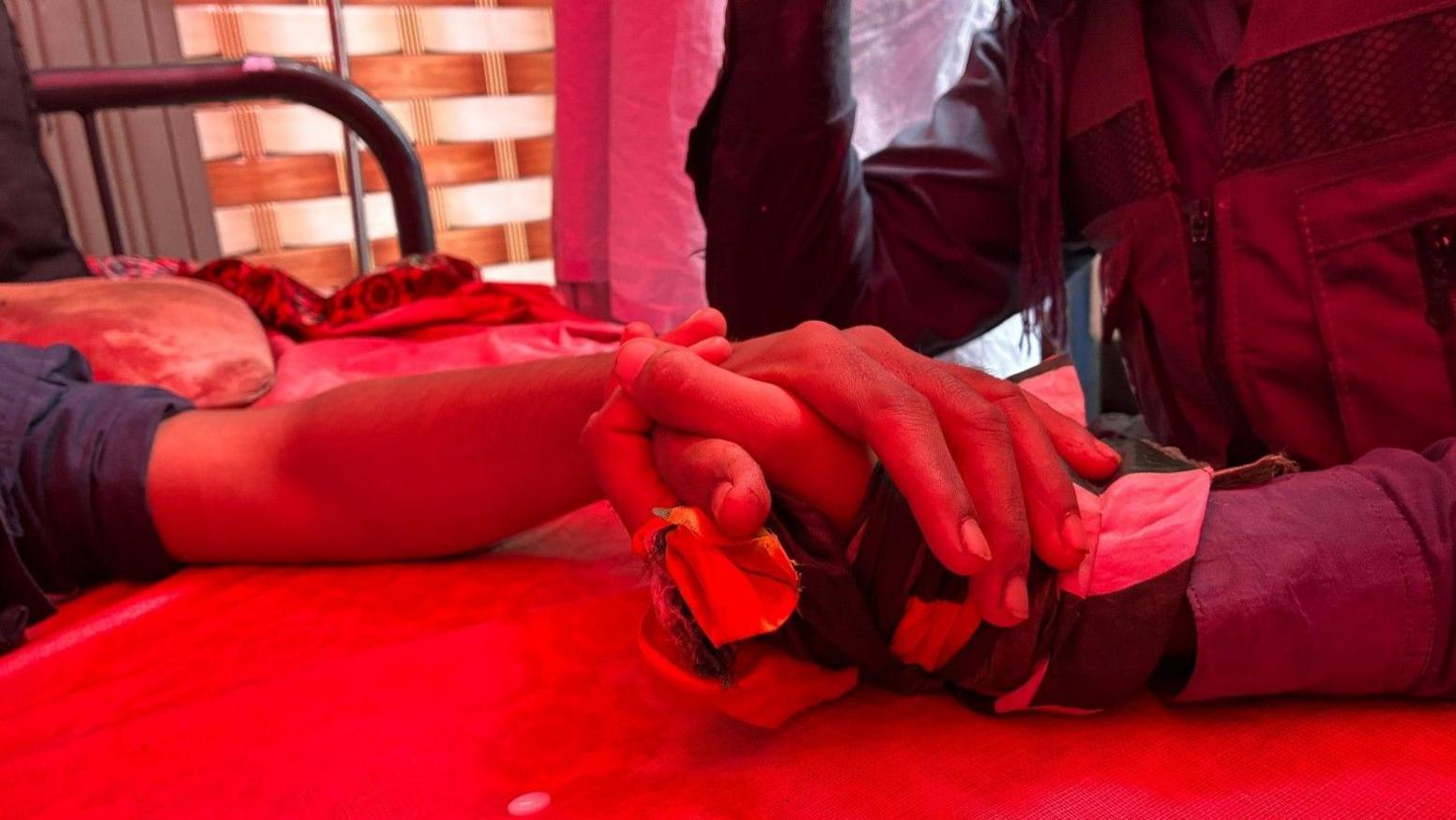
On a makeshift bed, Shafqat Hussain, a 17‑year‑old, lies bleeding after being shot in the chest. His sheet bears the stains of past victims and his condition is deteriorating; he is said to be dying.
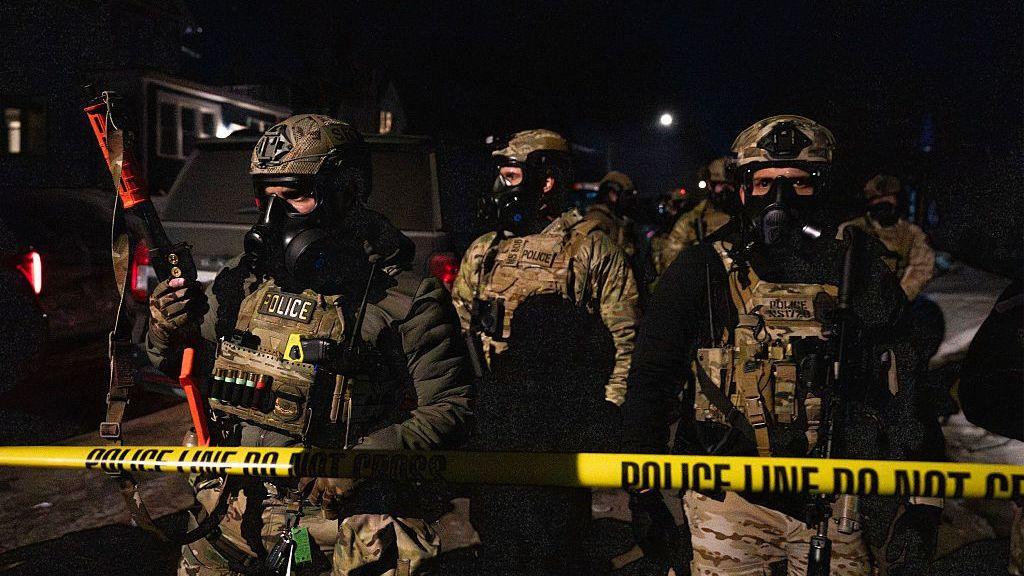
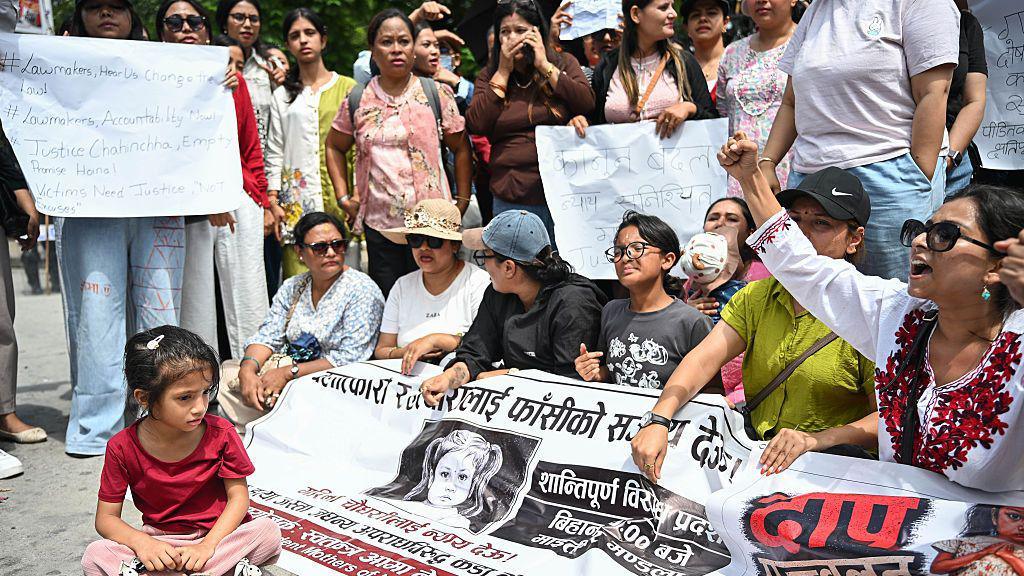
In the last two months, security officials and protesters from the Joint Awami Action Committee (JAAC) have clashed, killing dozens across the region. Rawalakot, home to roughly 4.5 million people, is currently facing local elections.
Anwar explains that the clinic can provide first aid – stop bleeding, clean wounds, and remove superficial bullets – but calls for advanced hospitals for serious chest, abdomen or head injuries.
Since July 27, the clinic has treated 50‑60 critically injured patients, with 15‑20 personally attending to gunshot wounds.
Protesters fear that going to the main hospital may lead to arrest or further shooting; authorities deny the claim, asserting that security forces only target those attacking law enforcement or threatening public safety.
Most victims are between 15 to 35 years old; very few patients over 40 have been reported.
The JAAC says their protests aim for basic rights – lower electricity prices, better education and healthcare. An 2023 agreement with Pakistani authorities was signed to help, but the group claims it has not been implemented.
The local government calls the JAAC armed and claims the protests disrupt ongoing poll work, denying the group permission to march to Muzaffarabad, the regional capital.
The JAAC remains banned in June, labelled ‘foreign‑funded terrorists’, a claim the members reject, insisting they are peaceful and not funded by India.
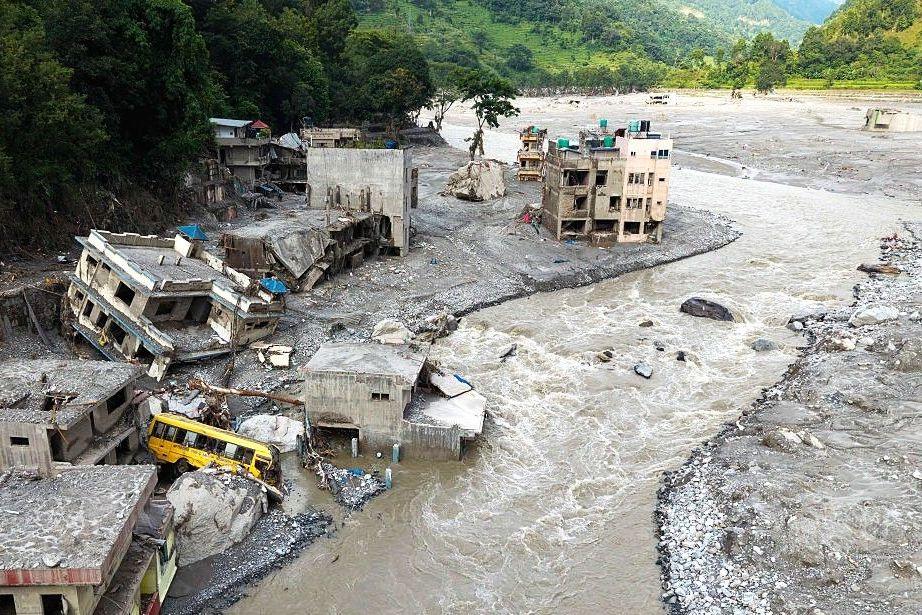
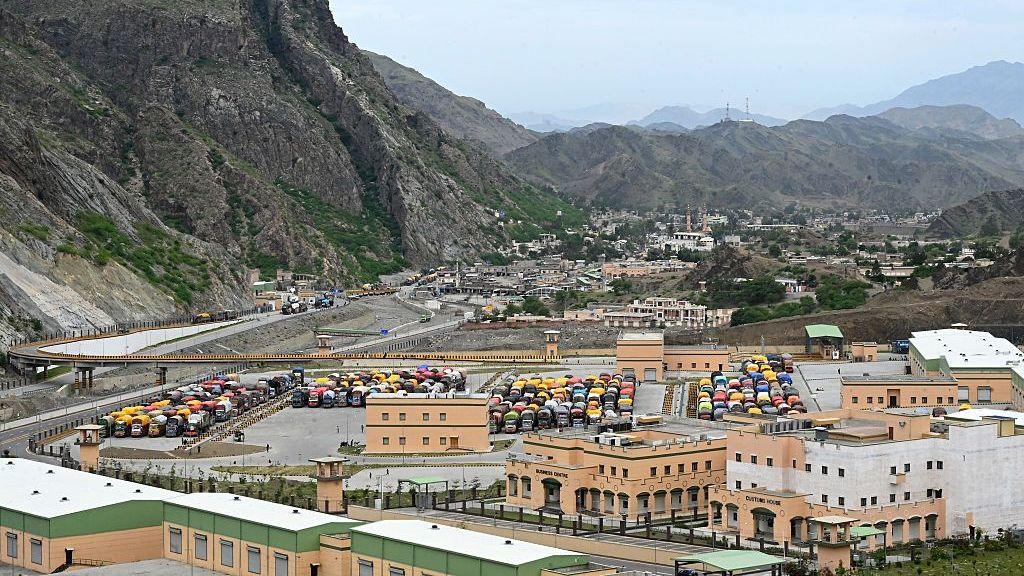
The region suffers food shortages; many stores are closed, and people smuggle in food on motorbikes.
Roads into the city are heavily blocked by felled trees, a claim the authorities say is intentional sabotage by the JAAC.
Video footage of alleged JAAC members carrying guns has been shared by police, but no confirmed gunfire has been seen by the report, despite reports of nightly shots.
Families visited schools; Asma recounted hearing about her son’s death during a protest, emphasising that they only sought rights and not violence.
Salman mourned his brother’s death and celebrated his dedication for with dignity, stating his son 'was not fighting.
One Aurad Retired soldier, Ayub, criticised the Pakistani government and pointed to the PAK government for calling in paramilitary forces; he wrote that such retaliation was unprecedented in his view.
Despite the danger, the JAAC claims willingness to discuss, yet plans for further protests continue.
The situation remains tense; unclear who fired the shots and when it could worsen. The community waits for a clear resolution while the clinic struggles to keep up with injuries.