Russia says its forces helped stop Niger coup attempt
For Reuters by Makuochi Okafor, West Africa reporter

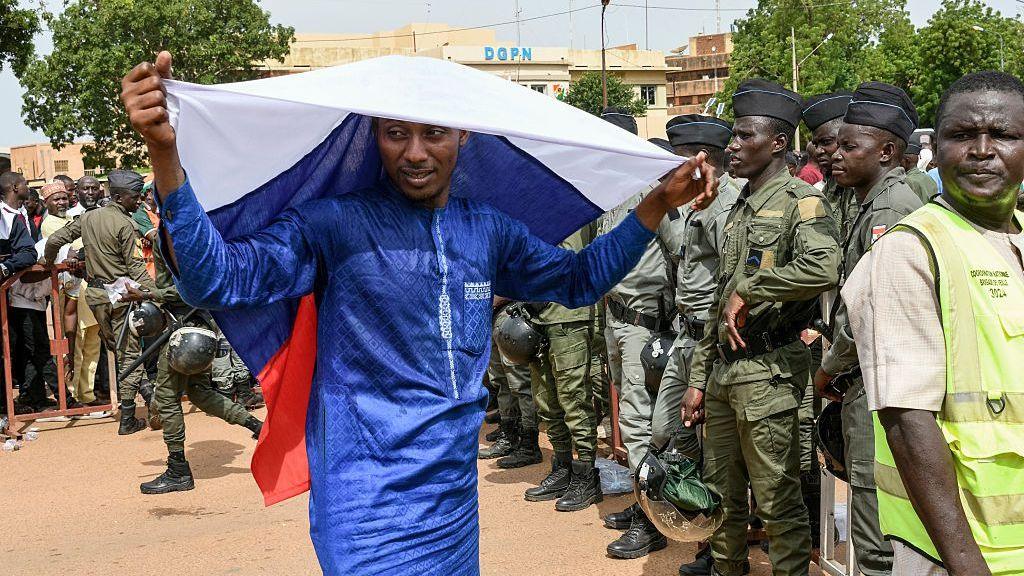
A security officer stands guard on the street following the attempted coup
at 04:00 local time, gunfire and explosions erupted across Niamey, Niger’s capital, as a rebel group attempted to seize the presidential palace and a key military airbase. The early‑morning attack was reported to have been contained by Nigerian forces within a few hours.
The Russian Ministry of Defence announced on Sunday that soldiers from its African Corps—stationed in several Sahel states—had assisted Niamey’s security forces in repelling the mutiny. Moscow also pledged continued support against “extremists” and affirmed that the situation was now under the control of the government led by President General Abdourahmane Tiani.
The incident comes at a time when Niger, along with Mali and Burkina Faso, has deepened ties with Russia, setting up the African Corps as a key security partner to confront ongoing jihadist insurgencies in the region. Despite these alliances, violence fueled by Islamic State and al‑Qaeda affiliates continues to pose a threat across the Sahel.
The failed coup attempt exposed potential discontent within Niger’s own military ranks. While authorities have yet to release exact figures on the number of rebels or casualties, police footage showed several alleged mutineers being arrested by the Presidential Guard. Commercial activity reportedly resumed soon after, with petrol stations and shops reopening.
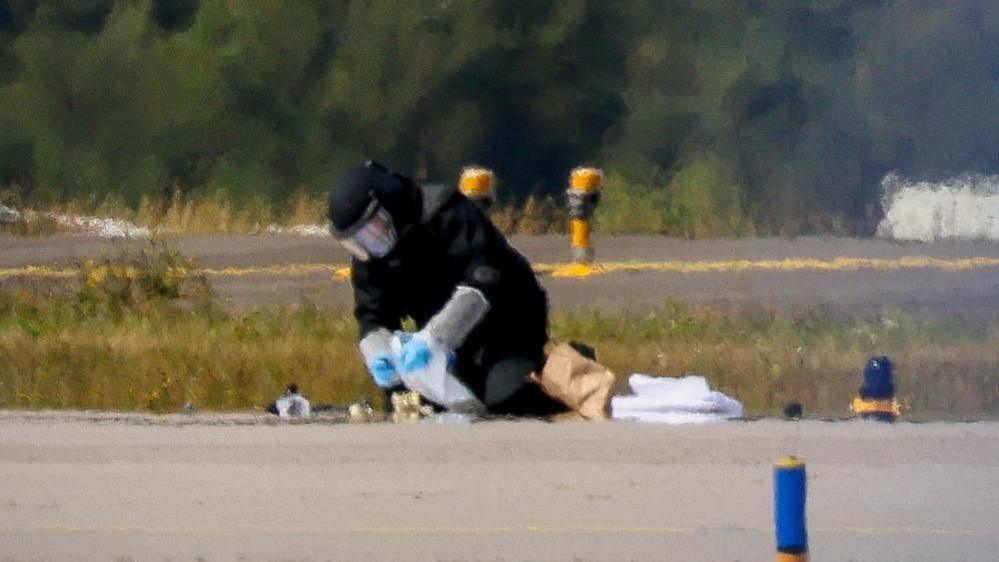
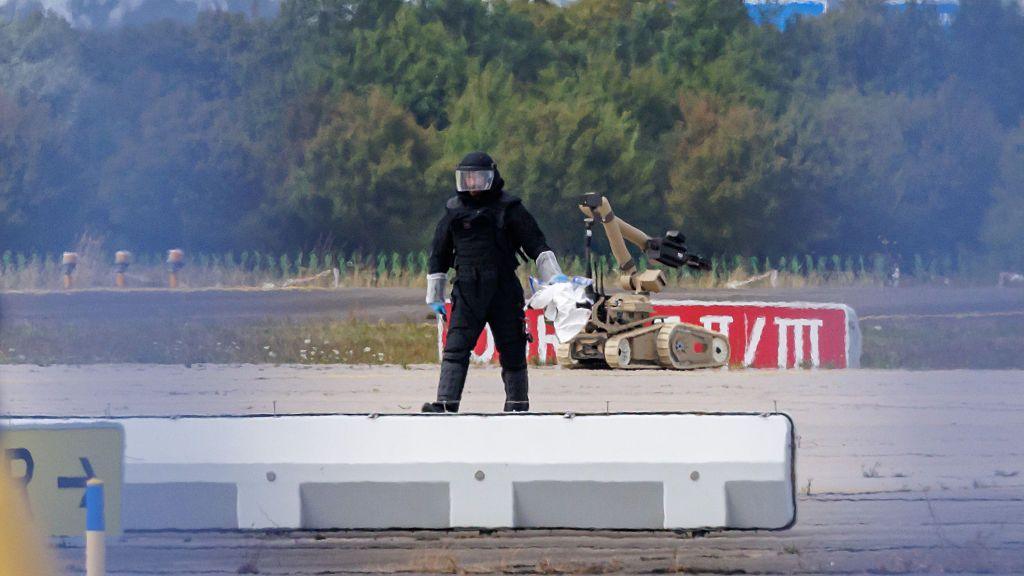
The airbase at Air Base 101 was under attack; this site, part of the Diori Hamani complex, hosts Nigerien aircraft and drones, an Alliance of Sahel States counter‑terrorism unit, as well as Russian and Italian forces. The base has been targeted twice before by jihadist groups this year.
The incident underscores the dual challenges faced by Niger’s new military government: external insurgency and internal factional disputes. As the country continues to seek stability, the role of foreign military partnerships—particularly with Russia—remains a focal point for observers of the Sahel region.