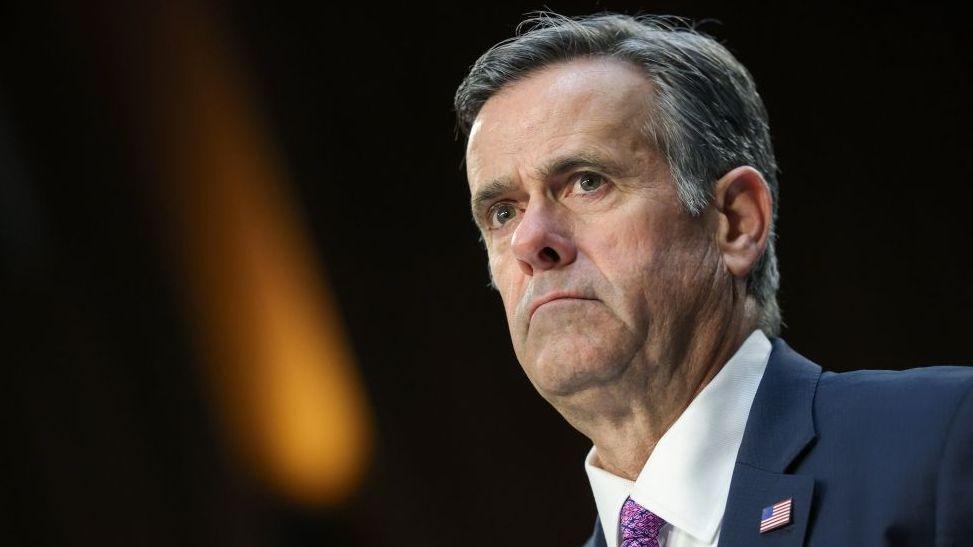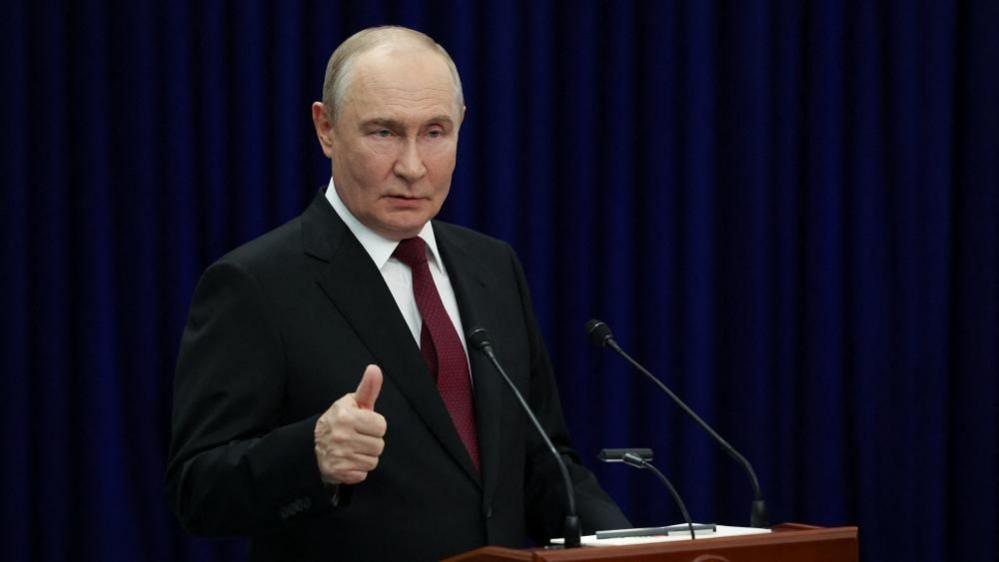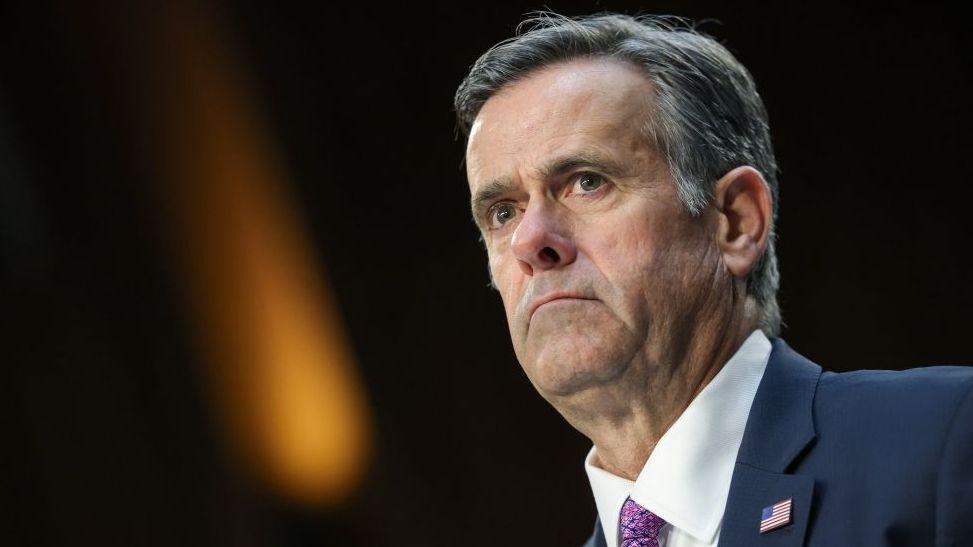
The CIA director John Ratcliffe landed in Moscow on a U.S. military aircraft, surprising many with an unannounced flight that crossed 10,000 miles of airspace to meet Russian intelligence officials, according to the Kremlin. The primary contact was Sergey Naryshkin, the head of the Russian foreign intelligence service.
This is the first such shadow visit by a CIA chief since William Burns travelled to Russia around five years ago, a period that coincided with Russia’s strategic plans for an invasion of Ukraine. The timing suggests the trip carries no small weight, even if President Trump later described it as a “semi‑routine” visit.
Analysts reported that the CIA chief’s engagement was largely aimed at cautioning Moscow against escalating its actions against NATO allies, specifically any moves that might involve the Baltic states or strain U.N. diplomatic norms. The goal was supposed to avert a wider proxy fight that would amplify the already tense security environment in Europe.
No official United States statement has clarified the purpose of Ratcliffe’s mission. Media speculation points to a warning about potential escalatory measures by Russia, such as a limited strike on a NATO member, or even ideas to shift the nature of the “hybrid war” that has been raging behind the front lines of Ukraine.
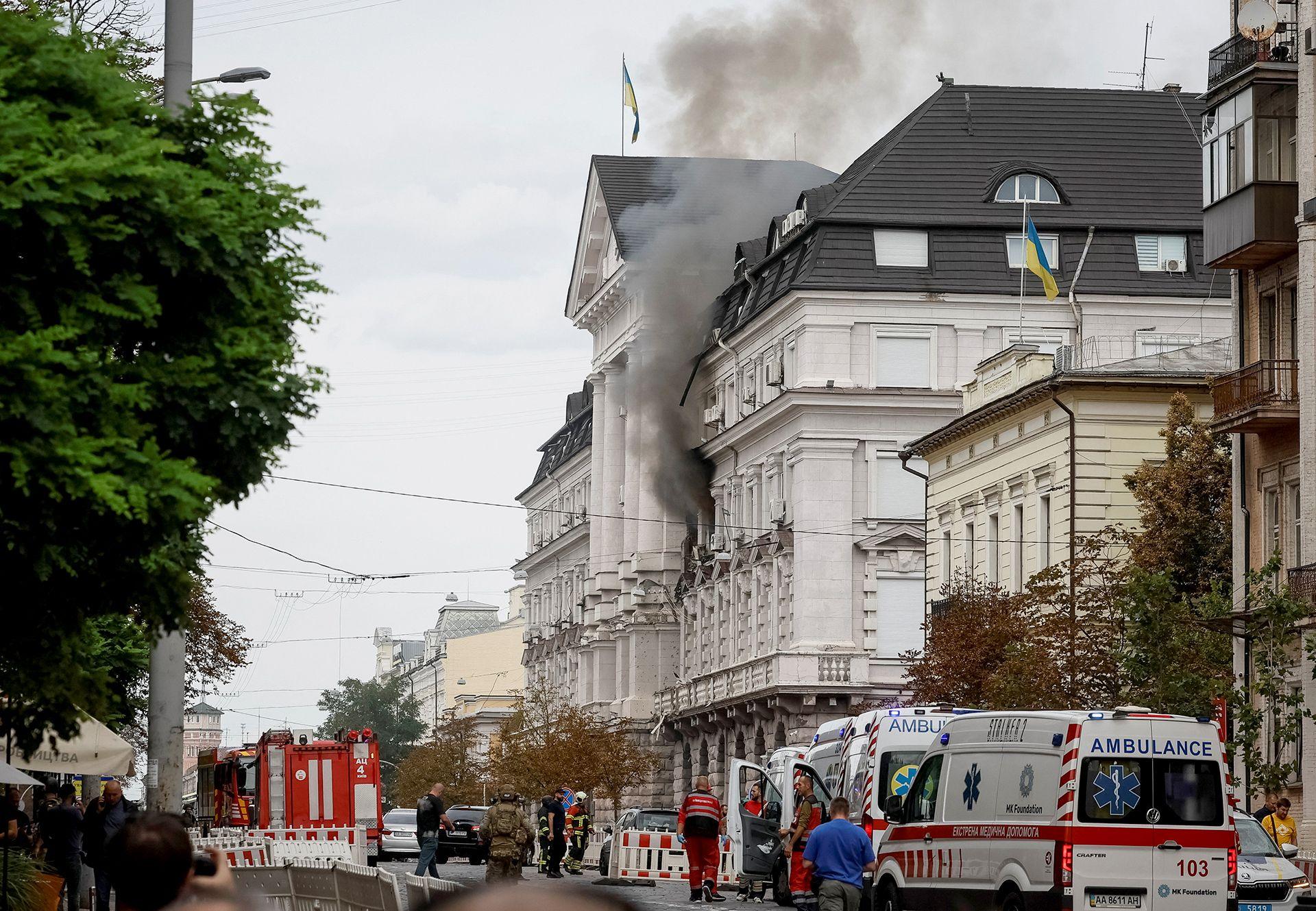
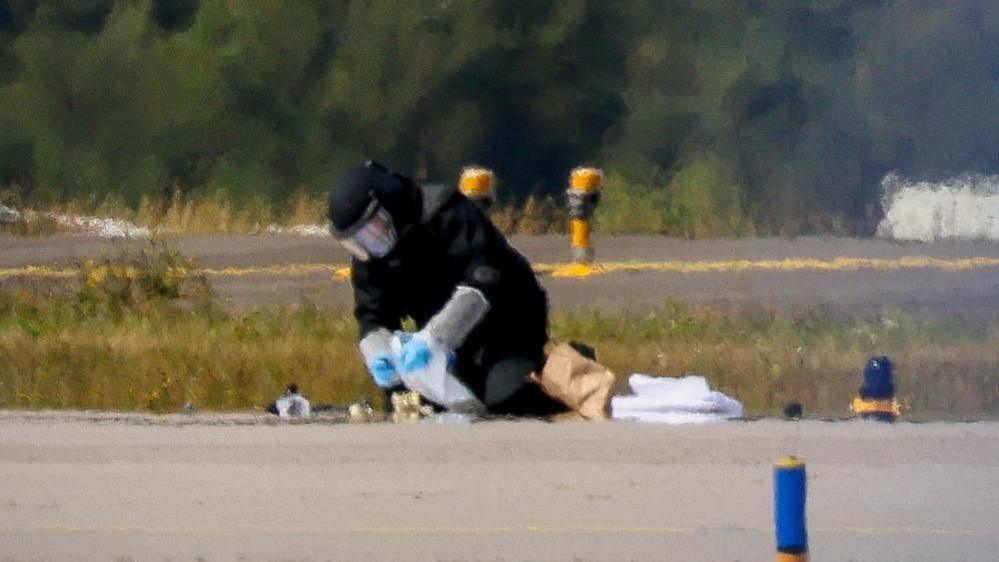
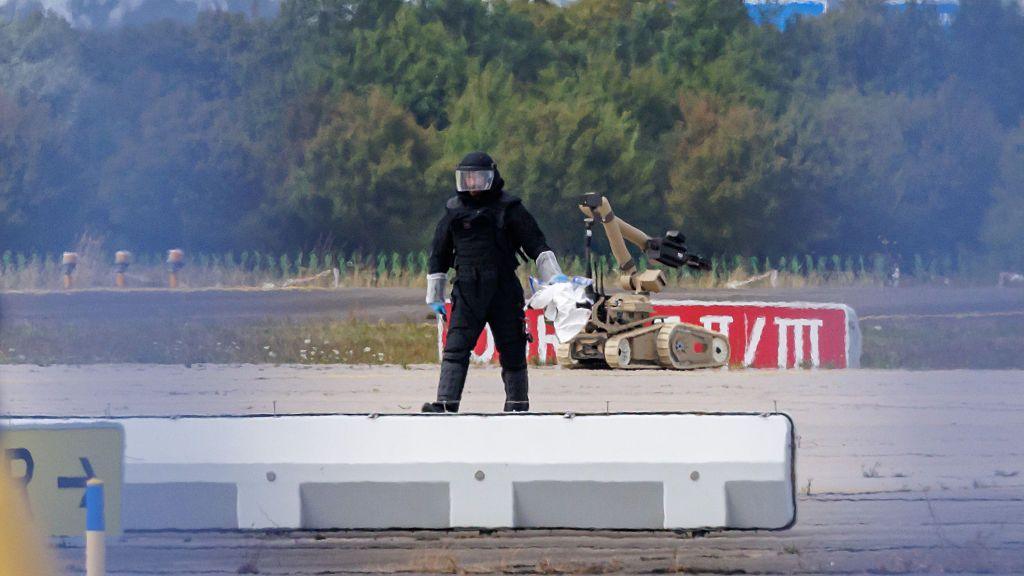
The UK has also stumbled into the crosshairs, with Russian spokesmen warning British military targets as possible retaliation for Ukrainian air strikes that employed UK munitions. A drone suspected of Russian origin exploded at a German airport, further inflaming hostilities.
In the broader context, Russian leadership has been exploring options ranging from ballistic missile and drone assaults to potential nuclear weapon use, as part of its strategy to compel Kyiv to capitulate or prompt a diplomatic breakthrough. Russia’s domestic pressures, combined with NATO’s perceived support for Ukraine, have sharpened the potential cost of escalating the conflict.
The CIA director’s sudden dash to Moscow may have been an attempt to remind Russia of the United States’ unwavering commitment to NATO’s mutual defence clause, and to underscore the seriousness of the strategic calculus. At a time when tensions are growing, such a trip provides a stark signal that discussions between Washington and Moscow are both ongoing and fraught with uncertainties.
Without a concrete U.S. explanation, observers will continue to interpret the trip through the lens of rising geopolitical friction, Ukraine’s ongoing war, and the perilous balance of power in the region.