In a decisive show of national will, more than 225,000 Icelandic voters cast ballots on Sunday to decide whether to restart talks on joining the European Union. The result was 52.8% against the proposal, with 47.2% in favour, leaving the country outside the EU’s customs union and future euro‑zone membership.
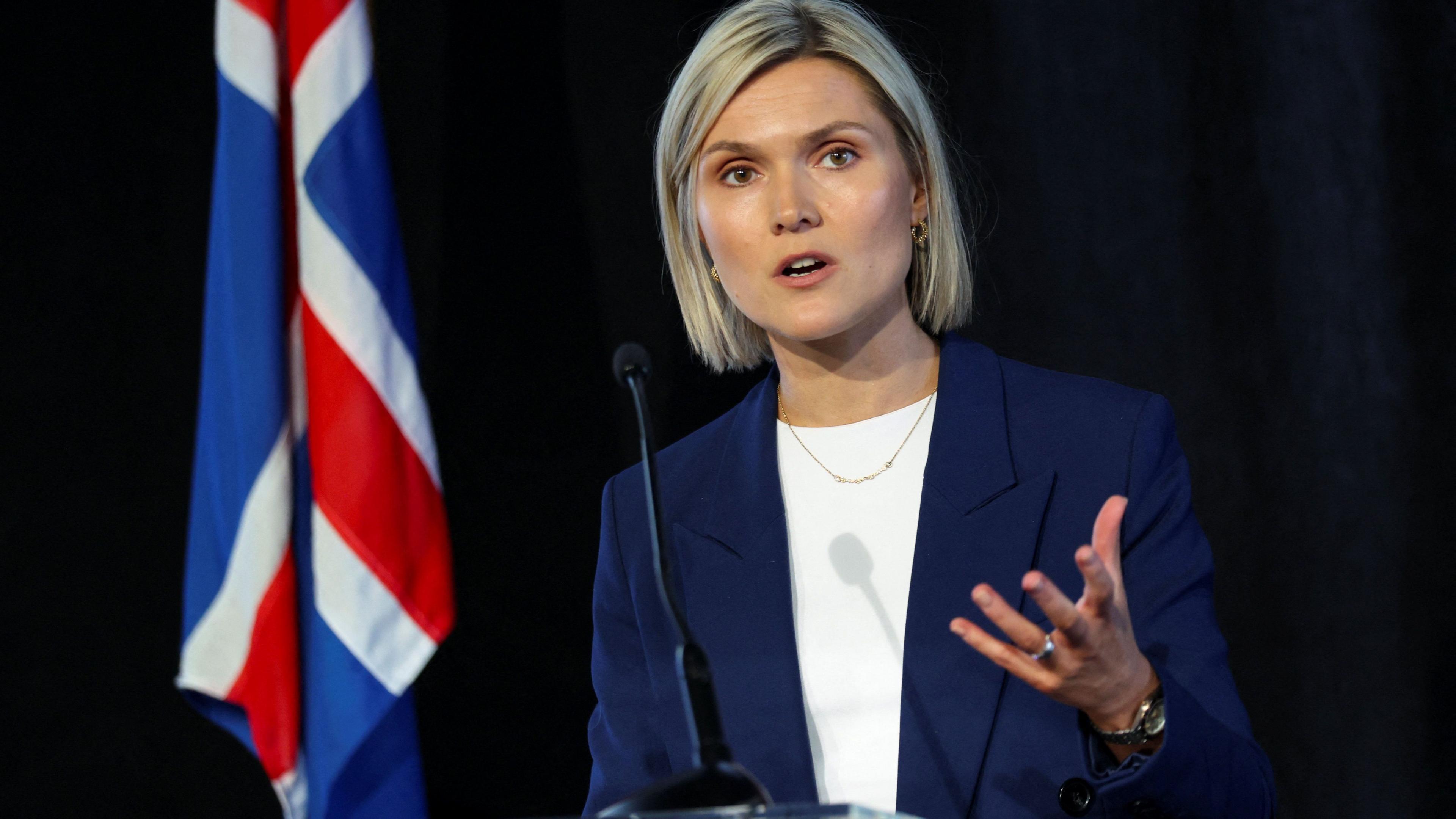
Prime Minister Kristrún Frostadóttir, who had called for the referendum to resolve long‑standing questions, announced that the vote would not be revisited while her government remains in office. The decision was framed as a protection of Iceland’s fishing industry, which the country argues could lose autonomy under EU quotas.
The referendum saw an unprecedented 82.5% turnout, the highest in Iceland for any election since 2009. Urban voters in the capital Reykjavík leaned towards membership, while rural communities, where blockfishing remains central to livelihoods, largely opposed it. Geographic differences mirror historical tensions dating back to the Cod Wars with the UK in the 1970s, which secured Iceland’s fishing exclusivity.
Economics and security were also cited as key concerns. Iceland’s leadership highlighted the need for deeper defence cooperation, particularly with the US and NATO, amid growing geopolitical activity in the Arctic. Yet the debate kept a strong domestic flavour, with voters prioritising sovereignty over potential security gains offered by the EU.
The outcome is considered a setback for Brussels, as EU officials warned that fisheries and independence were decisive factors that the union failed to address convincingly. Political observers suggest the result underscores a broader scepticism about EU expansion in small, resource‑dependent nations.
International voices varied. Nigel Farage lauded the No vote as a defence of national independence, while Marine Le Pen noted the outcome reflects EU’s limited appeal in all European democracies. Proteste per that day included a banner reading "Nei takk" – no thanks – outside a farm near Reykjavík, demonstrating the cultural resonance behind the rejection.
Despite the rejection, the decision does not preclude future talks. Parliamentary processes will need two further steps – a second referendum and agreement on commercial and legal frameworks – should the government seek a path towards EU membership.