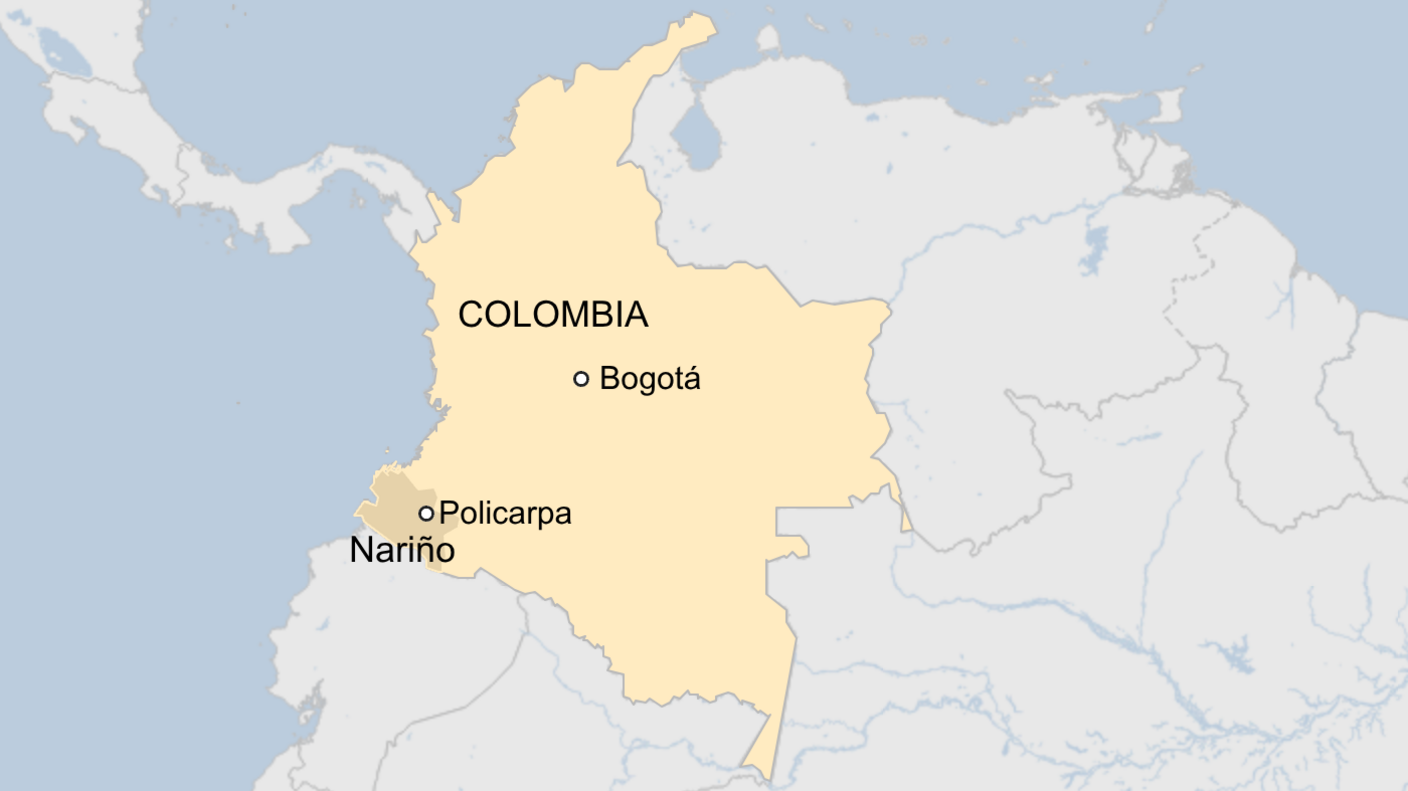
In the news today, Colombia has marked its first milestone in Latin America as it becomes the sole country in the region to pass legislation making female genital mutilation (FGM) illegal. The law, voted unanimously by the national parliament, follows years of advocacy from activists, community leaders and medical professionals in the Emberá Indigenous community.
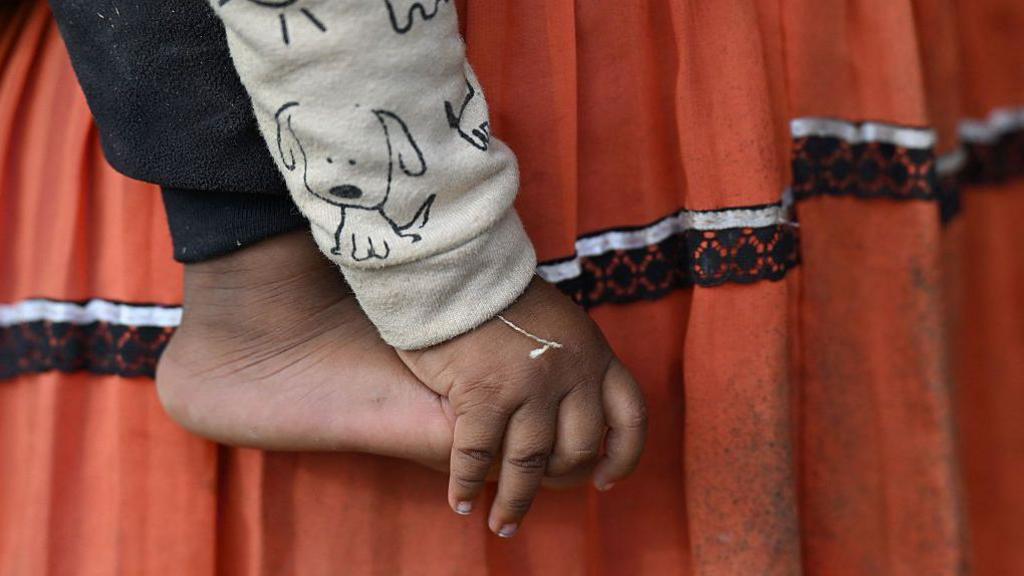
The story that framed the debate is rooted in a brutal act: Carla Quiñonez’s baby, just six months old, was subjected to FGM by her great‑grandmother. After the rituals, the child returned with fever, swelling and bleeding. As Quiñonez later recounted, her grandmother told her that everyone else does it and that women should not speak out.
The law’s passage was a victory for individuals who have long argued that the practice is harmful. Couples in the Emberá community credit the change to a long campaign that involved community members, legislators and activists like Quiñonez. She said: “We hope the law is translated into public policy, with sufficient resources to implement it.”
The new law follows a backdrop of over 230 million worldwide victims, most of them in Africa. In Colombia, it is 20th‑ranked by global tally; women in the Emberá community are disproportionately affected, with an estimated 300,000 members spread across Colombia, Ecuador and Panama.
Paediatrician Diana Ramos Mosquera at San Jorge University Hospital reported a surge in FGM cases—240 recorded between 2020 and June 2026—most involving children under six. She sees scars, burns and reconstructions as everyday occurrences, describing the practice as a type of gender‑based violence that “must be addressed through education, not punishing.”
The practice remains hidden: many female community members speak only the Emberá language and rarely interact with doctors, limiting medical intervention. Quiñonez disclosed that her son had been misjudged by health staff as a savage peasant and was threatened with child‑welfare removal, forcing her to rely on home remedies.
In a hopeful tone, Quiñonez reports that now women in the Emberá community are openly debating whether girls should continue to have FGM. Women say the change must start by recognising that FGM is harmful, and that a society can shun violent cultural practices while honouring its traditions in other ways.
The debate does not end there. Community leaders like Juliana Domico insist that the law should not become a symbol of cultural negativity. She repeated: “Culture does not kill.” The enacted law will require sustained support, resources and social education.
Those who have been affected by the practice or the law can find support via the BBC Action Line.