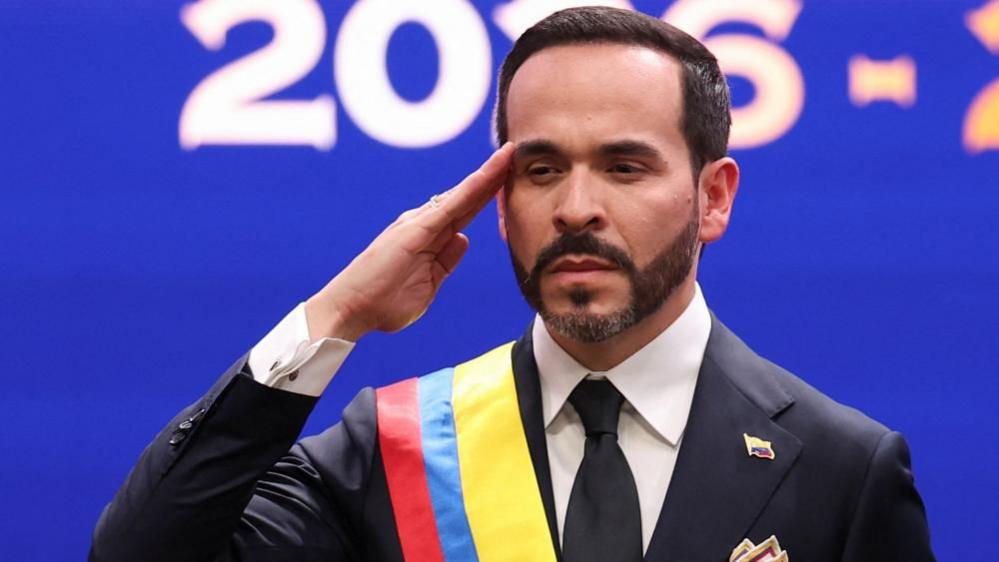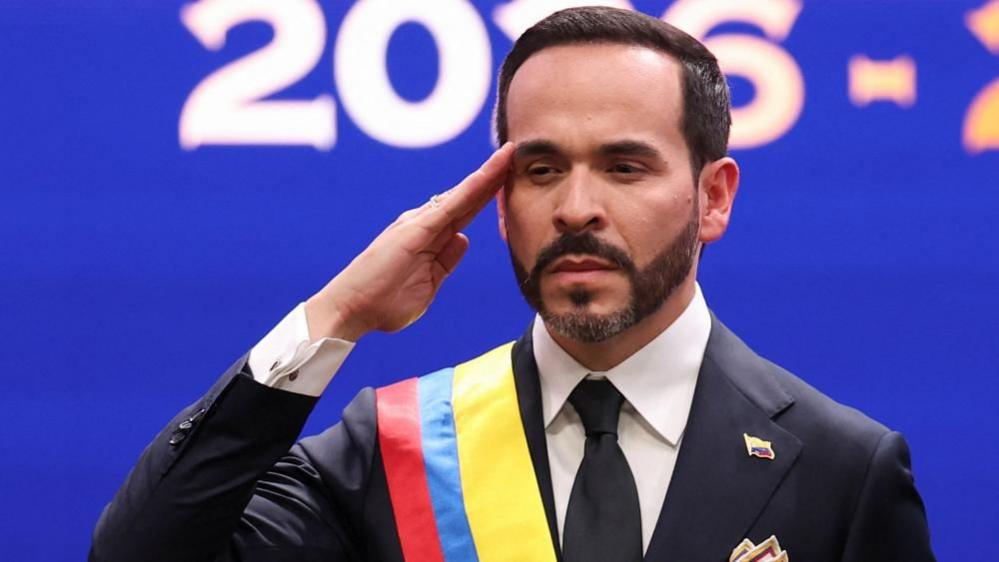
When Abelardo de la Espriella was sworn in as Colombia’s president on Friday, Washington sent a clear message of partnership: a $1 billion security package would be handed over the next morning. The money is aimed at a coordinated “all‑out war” on drug cartels, illegal immigration and organised crime, echoing U.S. priorities in the region.
The act of pledging the aid on the very day of the inauguration is a symbolic gesture of alignment. De la Espriella – a right‑wing populist who called himself “El Tigre” – has promised a forceful crackdown on insurgents and even pledged to join the US‑led “Shield of the Americas” security partnership. His victory was a seismic shift from his predecessor Gustavo Petro’s “total peace” strategy, which relied on negotiation and incentives for coca farmers.
The U.S. statement framed the package as a way to “achieve our shared goals”, a reference steeped in Trump‑era rhetoric that criticised Petro’s handling of drugs and migrant flows. By contrast, Petro had warned against the U.S. becoming a “vassal” and criticized Trump’s seizure of Venezuelan officials for drug charges.
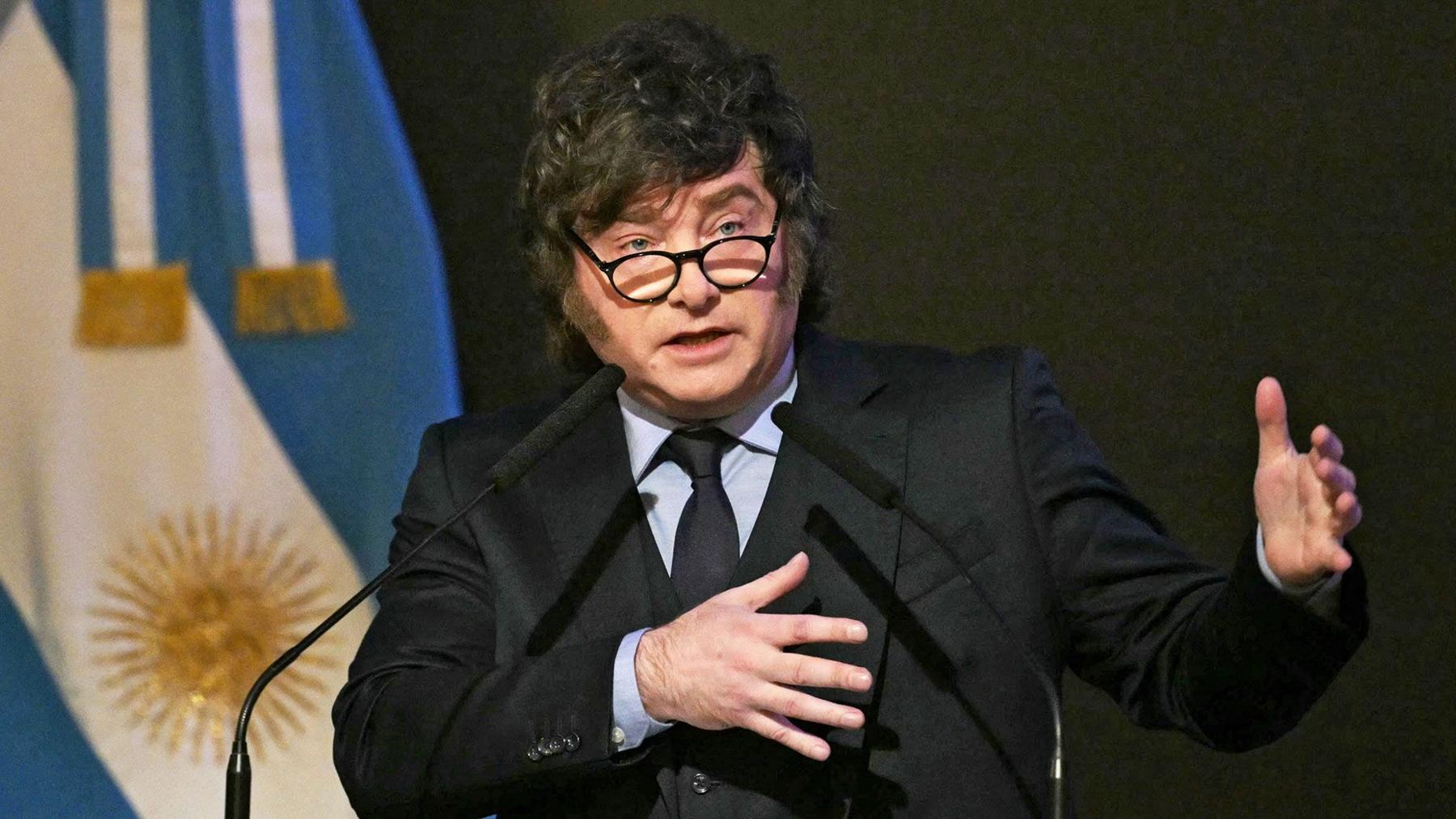
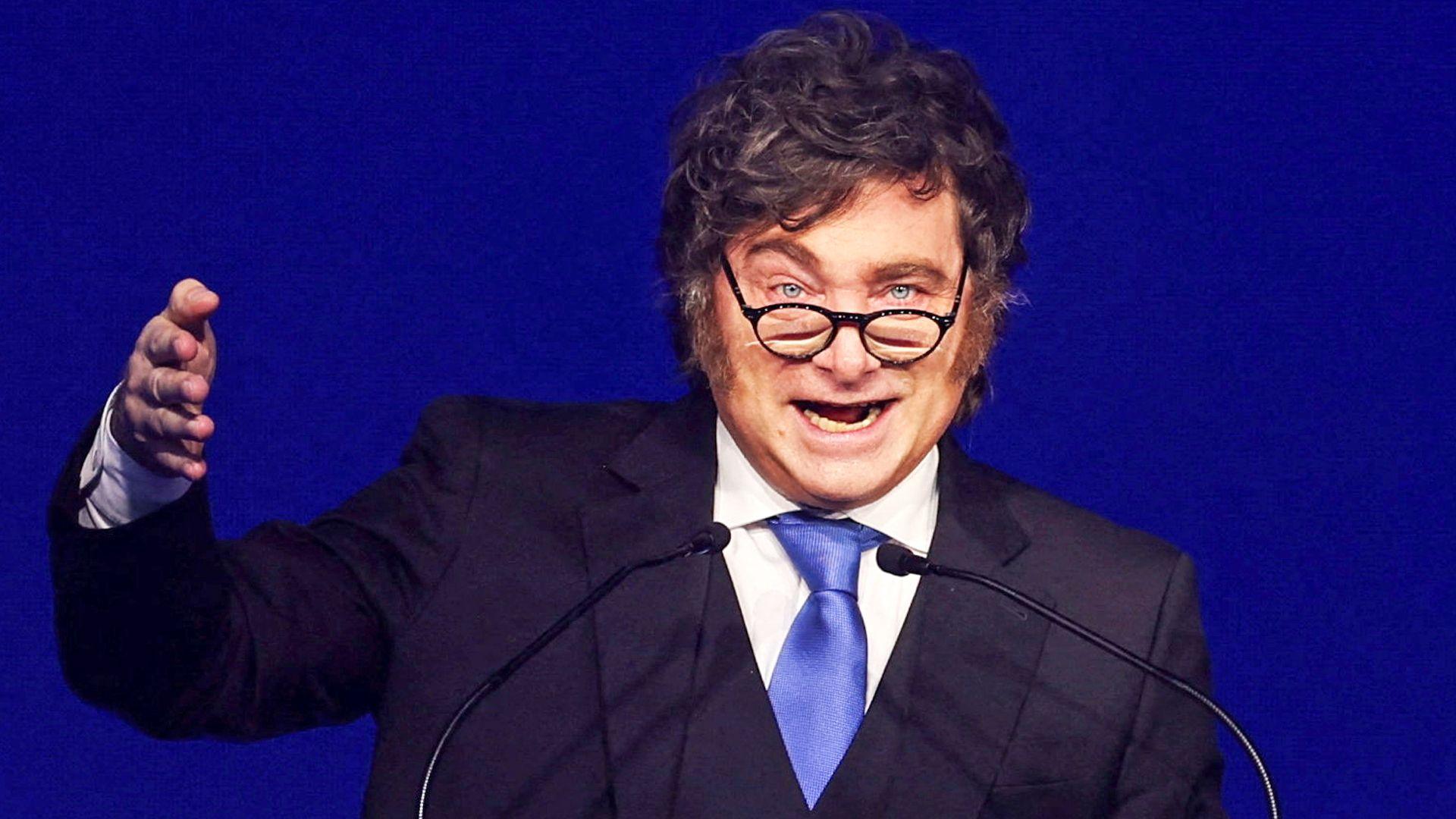
Analysts note that the alliance will deepen economic ties, bringing Colombia into the league alongside other right‑wing governments such as Argentina, where President Javier Milei has been praised by the U.S. administration. Meanwhile, the deal will likely influence Brazil’s relationship with Colombia, as the former left‑wing President Luiz Inácio Lula da Silva’s allies in the region recede.
Skeptics point to a history of human rights abuses in hard‑line regimes and question whether the new Cuban‑style crackdown will respect civil liberties. Supporters, however, argue that a stronger security posture will curtail gang violence and protect national borders.