South Africa Refutes US Claim of ‘White Genocide’ Amid Refugee Program Push
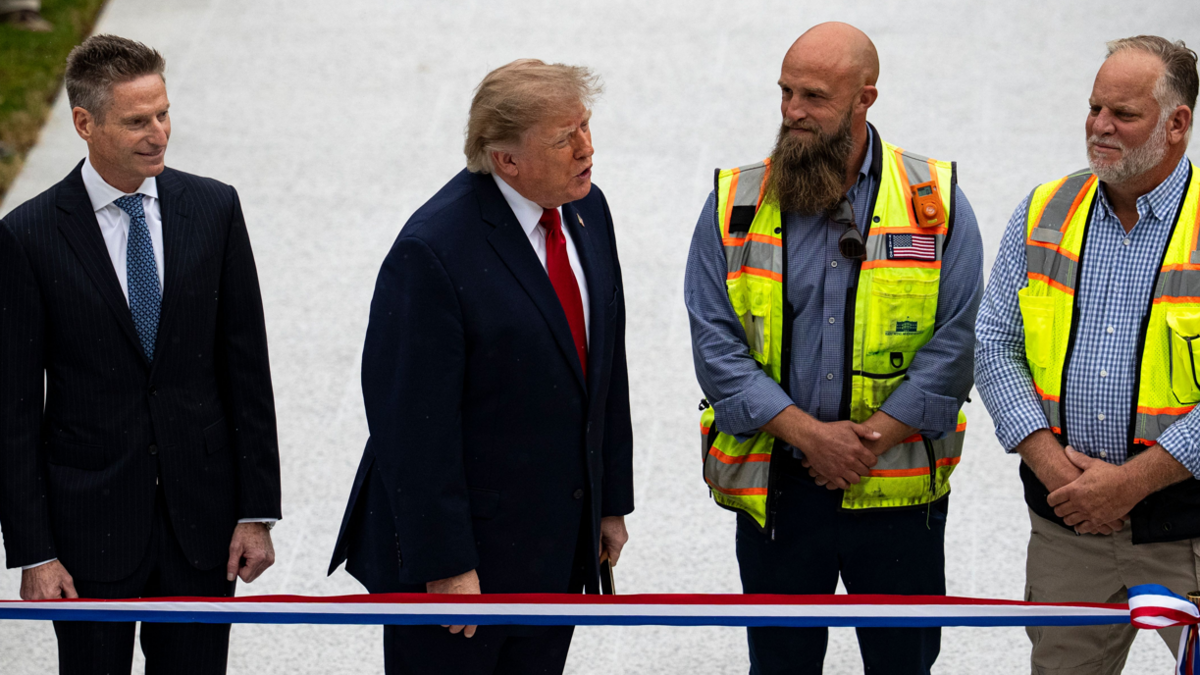
In a high‑profile interview with the BBC, South Africa’s ambassador to Washington, Roelf Meyer, said there is no evidence that white Afrikaners are being systematically targeted. His remarks came after former president Donald Trump publicly urged the US to open a refugee pathway for Afrikaners claiming “genocide”.
Meyer told BBC reporters that the allegations have no basis. He described the claim as a “misdirection of information” and stated that, as a born Afrikaner who helped negotiate the end of apartheid, he has the legitimacy to speak on the matter. “I have never experienced a mass attack on the white community,” he said.
"There is no genocide. The reality is that black South Africans commit more crimes, especially in townships, and farm violence accounts for a small share of overall homicide.”
By contrast, Trump’s administration has cited statistics of alleged “farm attacks” — violent incidents on rural properties owned by white farmers — to justify a refugee program that has already admitted nearly 13,000 applicants, 99.8% of whom are South Africans. According to a 2026 White House statement, the policy offers up to 17,500 additional visas for Afrikaners in the next year.
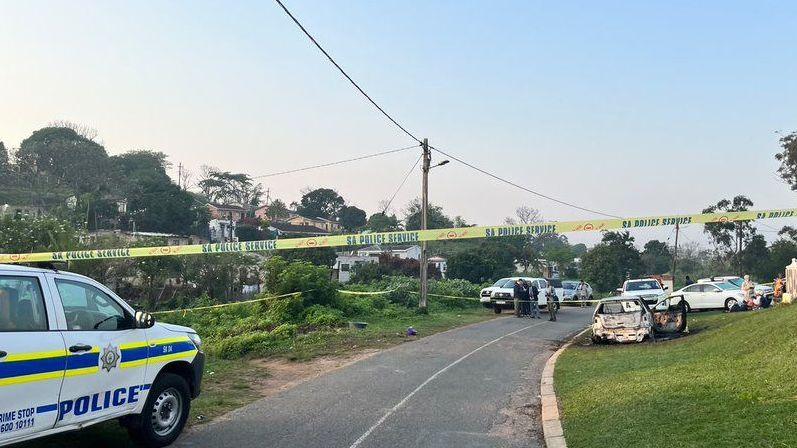
Experts caution that while farm attacks occur, they represent a tiny fraction of all South African crime. Data from the South African Police Service shows that the majority of homicides involve black victims in townships rather than white farm workers. A 2025 study by the Institute for Security Studies estimated that farm attacks made up 0.8% of all murders nationwide.
South African law‑makers and community leaders have also dismissed the genocide narrative. The ANC, the ruling party, has repeatedly stated that “possession of a ‘white genocide’ narrative is a political ploy.” The Freedom Front Plus, a right‑wing Afrikaner party, has issued counter‑statements suggesting that the claim is used to galvanise support for the Trump refugee program.
A pastor from Johannesburg, Rudi Swanepoel, expressed the view that what some Africans feel is a “loss of privilege” rather than persecution. He said the “cake” of South African resources has been historically shared through democracy and that the current climate of fear is overstated.
In Washington, Ambassador Meyer called on President Trump to revoke the executive order that underpins the refugee program, arguing that South Africa has never blocked emigration and that crime is an issue affecting all communities, not just the white minority.
The debate highlights the tension between domestic crime data, international political narratives, and humanitarian policy. While the US remains committed to providing refuge for those genuinely at risk, South African officials caution against oversimplifying a complex social reality into a single “genocide” label.
For the U.S., the choice can affect diplomatic relations and the narrative surrounding race‑based violence abroad. For South Africa, the claims risk inflaming existing tensions and may distract from broader efforts to reduce crime across all communities.
Key Takeaways
- The ambassador negates a genocide claim, citing no broad persecution of white South Africans.
- Trump’s policy, backed by a small subset of incidents, offers visas to Afrikaner refugees.
- Crime data shows black townships as the highest crime zones, with farm attacks being a minor fraction.
- Both sides argue for different priorities: human rights for refugees versus crime prevention for all.
The situation remains fluid as U.S. officials review the policy. Meanwhile, South African authorities continue to emphasize the need for evidence‑based diplomacy over rhetorical charges.”