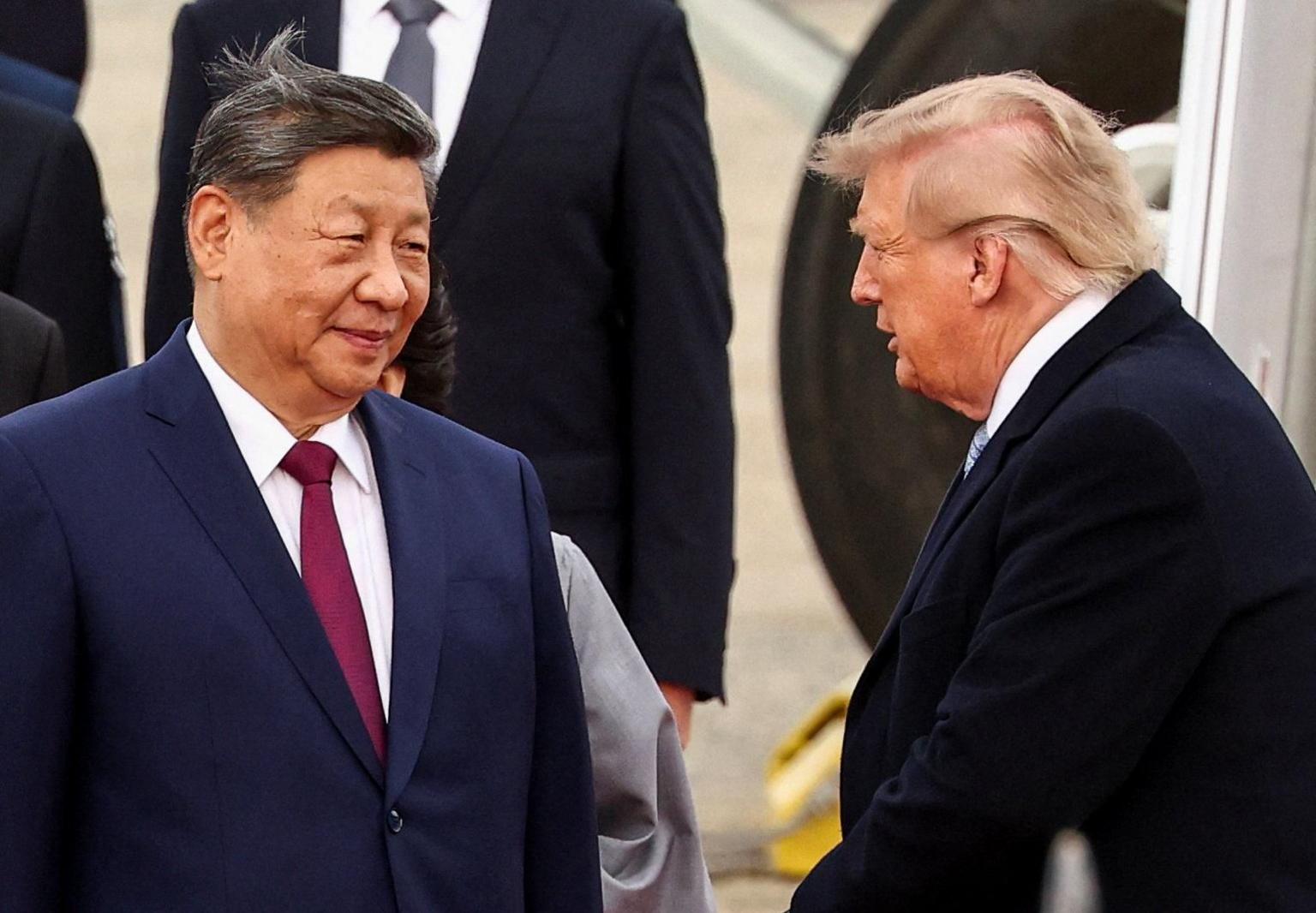
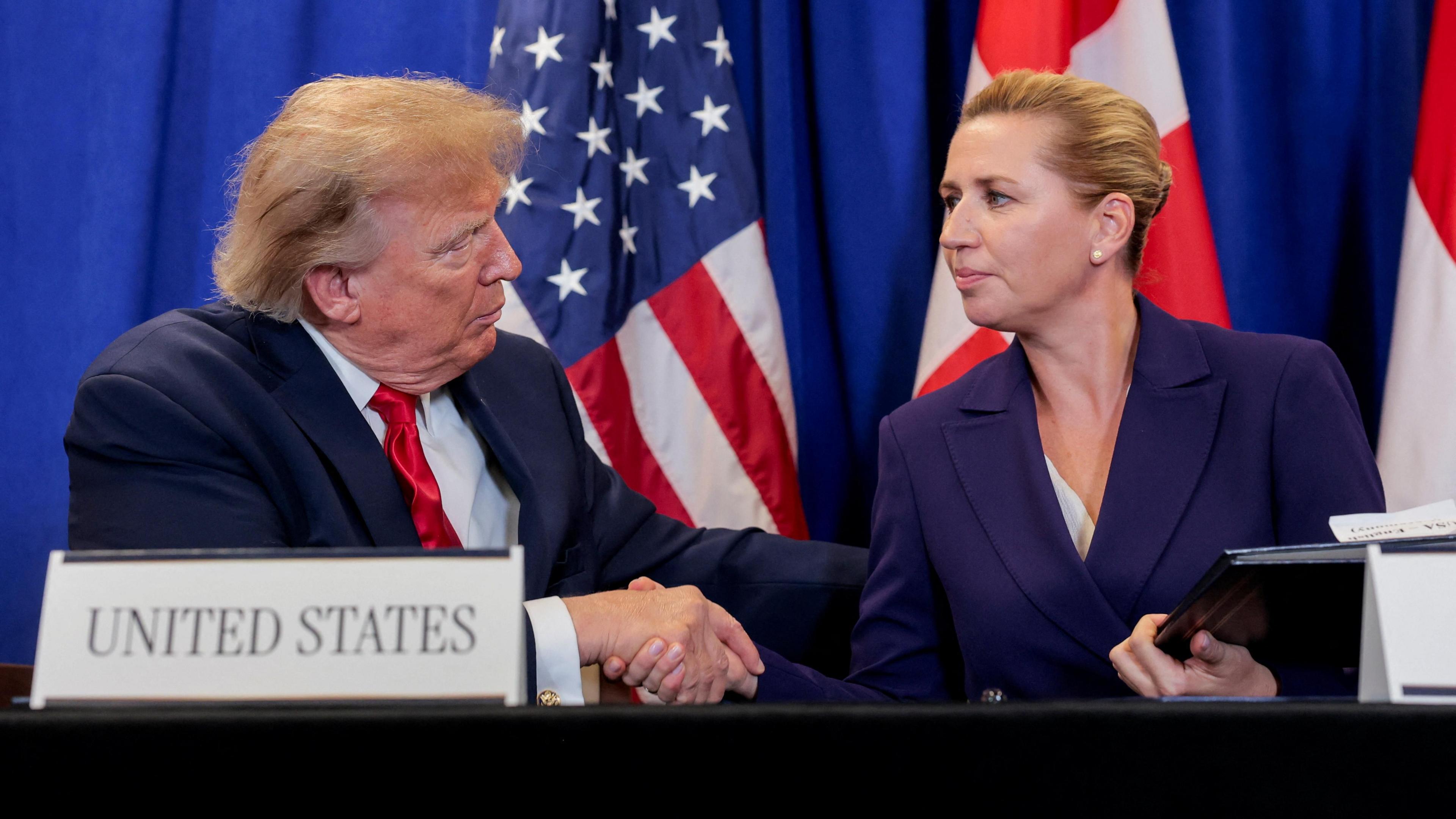
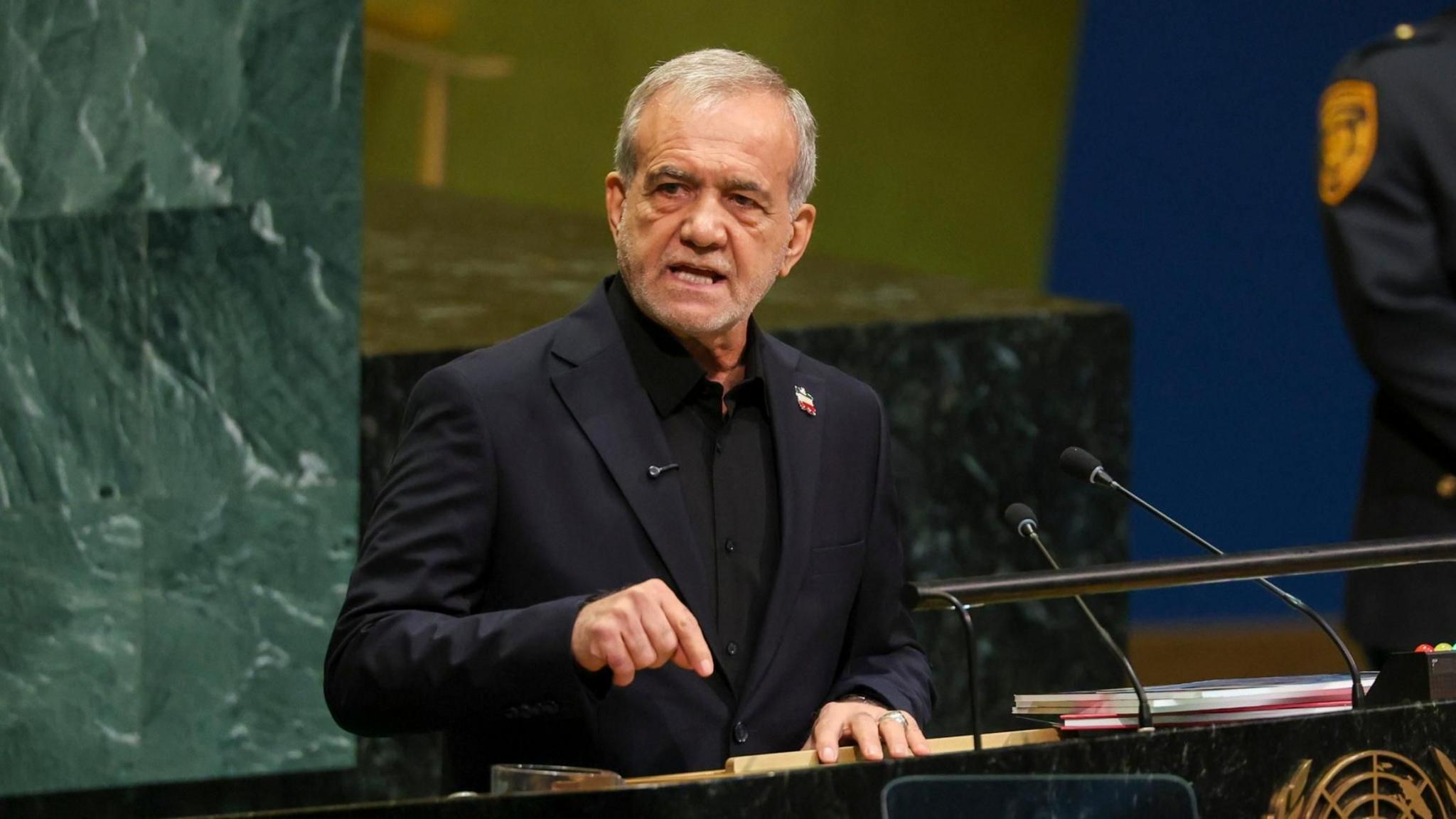
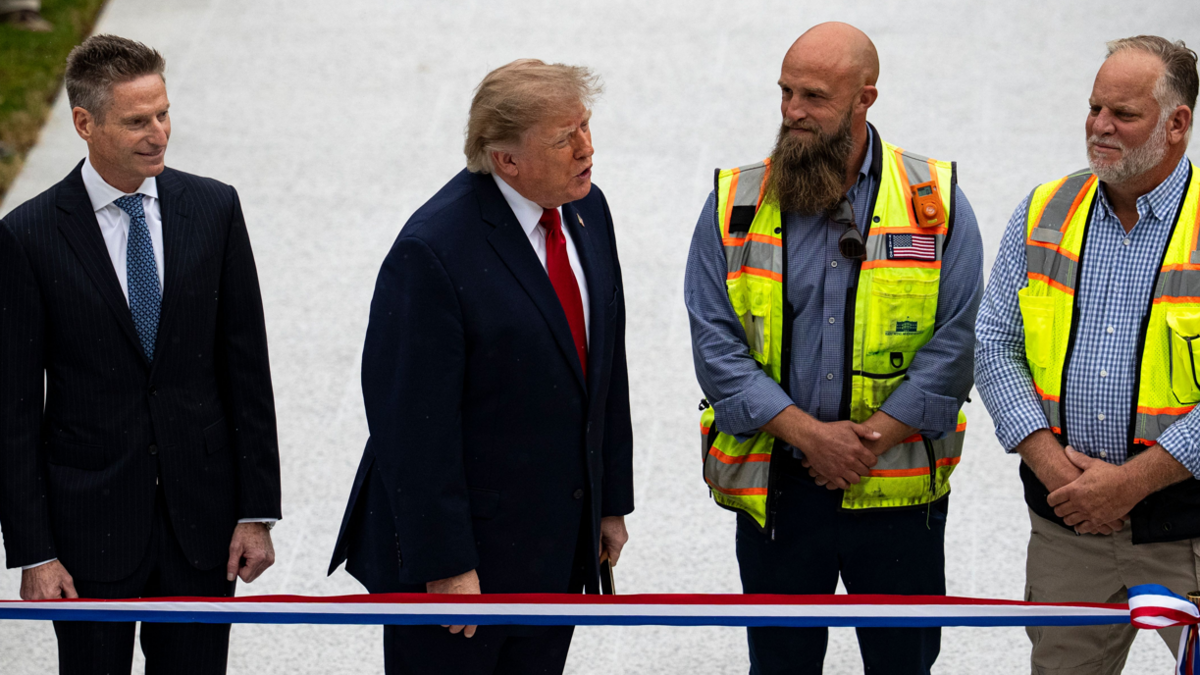
The White House served as the backdrop for Day 2 of President Xi Jinping’s visit to Washington, when former U.S. President Donald Trump opened a formal meeting with the Chinese leader. The ceremony followed the United States’ tradition of ostentatious protocol, with guards in uniform, national anthems, and a crowd of journalists and political observers.
During the brief talk, the two presidents reviewed longstanding areas of contention—trade imbalances, intellectual‑property rights, and cybersecurity—but no signed agreements emerged, a development that has drawn mixed reactions from trade experts. Many analysts suggest the pause reflects the complex interdependencies between the two economies, while others view it as a silent bargaining tactic.
The session concluded with a state dinner that departed from the usual white‑glove diplomacy by inviting high‑profile tech figures. Names such as Tesla CEO Elon Musk, OpenAI founder Sam Altman, and other industry leaders joined the banquet, signaling that private technology firms are increasingly seen as integral actors in the global political arena.
Political commentators have noted that the presence of tech leaders at a diplomatic table underscores the blurred lines between conventional statecraft and the influence of Silicon Valley. It also raises questions about how technological innovations might shape policy decisions in future U.S.-China negotiations.
The visit’s next chapters are expected to delve deeper into issues of economic cooperation and geopolitical strategy. Observers are watching closely how the Trump‑Xi discussions will influence the trajectory of U.S. foreign policy and China’s global role.