In the third week of the joint US-Israeli war against Iran, Donald Trump faces decisions that could define the rest of his presidency. The American commander-in-chief is grappling with a war of choice that seems in danger of spiralling in ways he can't control, although those concerns are not playing out in public.
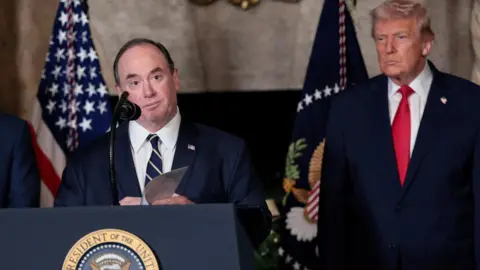
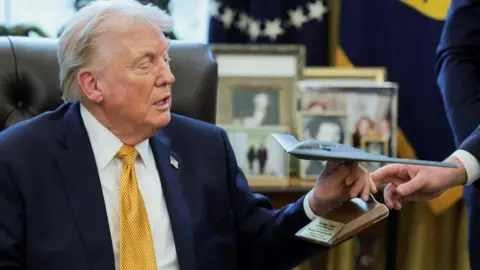
During a recent public address at the White House, Trump discussed the state of the war, while also veering into unrelated topics, showcasing his characteristic unscripted style. Over the weekend, he appeared preoccupied with golf and voicing frustrations about the Supreme Court, which perhaps reflects a diversion from the challenges posed by the Iran conflict.
While Trump remains confident publicly, he is facing a historical lesson: wars can consume presidencies, whether leaders want them to or not. Evidence suggests what Trump declared "already won" now appears ongoing, with ramifications that could extend far beyond initial expectations.
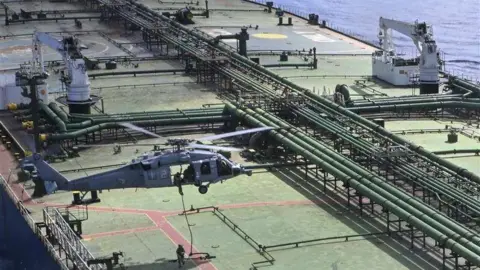
On Monday, Trump postponed a planned presidential trip to China, emphasizing the necessity to ensure the success of Operation Epic Fury, the military name for the Iran war. His administration is in a delicate dance, calling upon allies to help secure the Strait of Hormuz, key for global oil shipping, only to be met with hesitance from nations like Japan and Australia.
The crux of his dilemma lies in making choices that could either escalate US involvement, risking American lives, or pulling back and allowing Iran to persist as a threat, potentially leading to high consumer prices and domestic unrest. The political stakes are high, with Trump's approval ratings slipping as rising inflation continues to sour public sentiment.
As oil prices soar, with recent averages reaching $3.72 a gallon, the economic concerns of everyday Americans loom larger. Trump’s record on these matters could be jeopardized by a drawn-out conflict that detracts from his administration’s focus on domestic issues. Trump insists, We don't need anybody, yet he is confronted with decisions that, regardless of direction, come with significant risks.
Ultimately, as Trump navigates the complexities of the Iran conflict, he must grapple with a media landscape and public opinion that could shift swiftly with any real or perceived failures. The administration's path forward may hinge on avoiding deeper military entanglements while managing the domestic political fallout of an intensifying international situation.