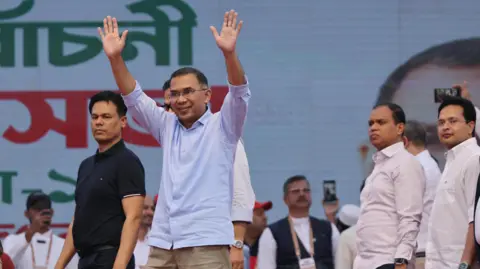
With Sheikh Hasina's long-standing rule abruptly ended, Tarique Rahman is set to take on a historical role as Bangladesh's new Prime Minister. The victory of his party, the Bangladesh Nationalist Party (BNP), reflects a shifting tide in the country’s political dynamics.
In stark contrast to the 2024 elections, which were marred by allegations of electoral misconduct in favor of Hasina's Awami League, the recent polls provided a genuine contest. However, questions remain regarding the legitimacy of this newfound power amidst cries from former leaders about the suppression of democratic values.
Tarique Rahman's leadership represents a new chapter, especially as he steps into a role previously dominated by his mother, Khaleda Zia. Having returned from 17 years in exile shortly before her passing, Rahman's political background is shadowed by both familial legacy and accusations of corruption.
Supporters express hope that his relative inexperience might favor a fresh approach in governance. As political analyst Navine Murshid observes, “People are willing to give change a chance.” Yet, renewed faith in government finds itself challenged by Bangladesh's tumultuous political history.
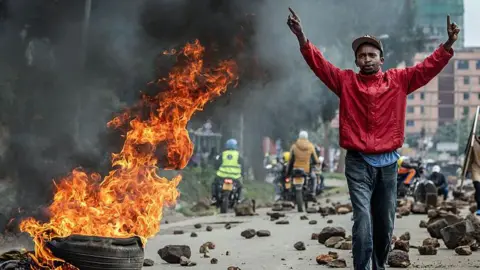
The immediate tasks facing his administration include restoring order, boosting economic stability, and addressing critical issues like rising food prices and youth unemployment. Amidst these challenges, the escalating violence has cast a pall over the interim leadership of Mohammad Yunus, highlighting the complexity of governance in a nascent democracy.
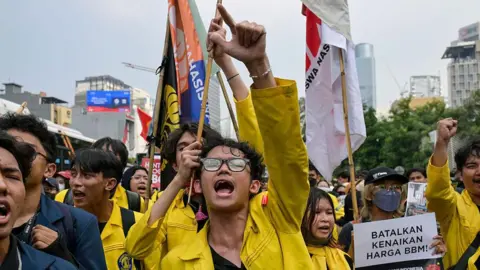
While the BNP plans to revitalise democratic institutions, many citizens remain skeptical. The recent uprising against Hasina's regime has instilled a sense among the youth that they will continue to hold leadership accountable.
Comments from young voters like Tazin Ahmed, who participated in the 'July uprising', stress clarity and integrity in governance while expressing zero tolerance for corruption. The new government’s priorities could very well define the political landscape for years to come.
Interestingly, the Jamaat-e-Islami party, long seen as a marginal player, made a significant impact in the recent elections, indicating evolving sentiments within the electorate. With an untested leadership entering the parliament, many speculate on how disparate factions will navigate alliances and opposition.
The call for restoring genuine democracy resonates throughout the nation, but as public sentiments turn disillusioned against political actors, the path forward will not be easy. Rahman’s governance will be scrutinized as citizens demand accountability and substantive change.
Bangladesh's political future thus hinges on whether Tarique Rahman can break from the cycles of the past and deliver on promises of reform in a landscape that many feel has let them down for too long.