In brief
As Germany tightens border security, neighboring countries are following its lead, marking a shift in the EU's approach to immigration and national safety.
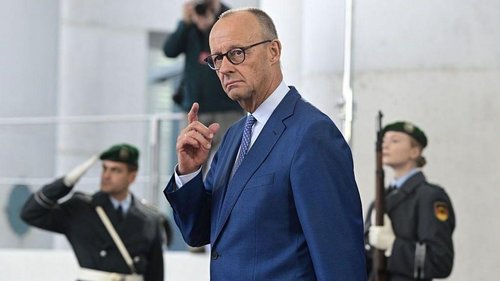
In a striking move reflecting growing migration concerns, Germany has reinstated border checks as part of a stringent immigration policy under Chancellor Friedrich Merz’s administration. The situation highlights a shift in the European Union's longstanding commitment to free movement, with neighboring countries like Poland and Austria also reintroducing similar measures. Last week, a bus traveling from Poland to Germany was stopped just after crossing the Oder River. German police boarded the vehicle, pulling off a passenger for inspection while allowing the driver to continue on, creating an 8-minute delay. Such interruptions have become commonplace at borders, as the German government publicly showcases its commitment to managing immigration effectively amid mounting voter dissatisfaction regarding the influx of asylum seekers over recent years. Since early May, stricter border enforcement has reportedly intercepted approximately 110 migrants daily attempting to cross into Germany. This increase in apprehensions follows a notable rise from an average of 83 daily during the initial months of the year, primarily due to the government tightening security protocols. Germany’s actions resonate with a broader trend across Europe, where countries including France, Italy, and the Netherlands are citing similar immigration concerns to justify their reimposition of border controls.The mechanisms set up by the European Union, designed to facilitate free movement among member states since their inception 40 years ago, allow for temporary border checks under specific conditions relating to national security or public order. However, as migration continues to influence public sentiment and policy, the future of this EU principle appears increasingly tenuous, raising concerns about the implications for cross-border commerce and tourism throughout Europe.